

When it’s time to replace the furnace, review this guide for new furnace costs based on type, size, and efficiency, plus furnace installation costs.
Handy heating hints if you’re thinking about going electric

Electric furnaces heat your home through coils, relays, and ducts, offering lower upfront costs and easier installation than gas or heat pump systems.
Expect to pay $2,000 to $7,000 for electric furnace installation, while heat pumps cost $4,130 to $7,300 and gas furnaces range from $3,800 to $10,000.
Your furnace size depends on your home's square footage, climate zone, and insulation levels, with residential units ranging from 44,000 to 120,000 BTU.
Hiring a local furnace installation professional removes the guesswork from sizing and setup, ensuring your system heats efficiently and fits your home's needs.
Winter weather evokes memories of hot bowls of soup, warm cookies, and snuggling on the couch to read a good book. But if you want to stay toasty this winter, you may need to replace your old furnace before the temperatures drop. Electric furnaces and heating options are popular for homes and industrial purposes. If you want to know which type of electric furnace is best for your home, keep reading to learn more about available options.
Wondering which type of furnace to install? According to Angi data, 58% of customers have a natural gas furnace and 77% want to add one to their home. On the other hand, 12% of customers have an electric furnace, making it one of the top options.
Talk with your furnace installer about the best choice for your home.
When shopping for an electric way to heat your home, furnaces aren’t the only option. Consider the following four types of electrical heating before making a final decision.
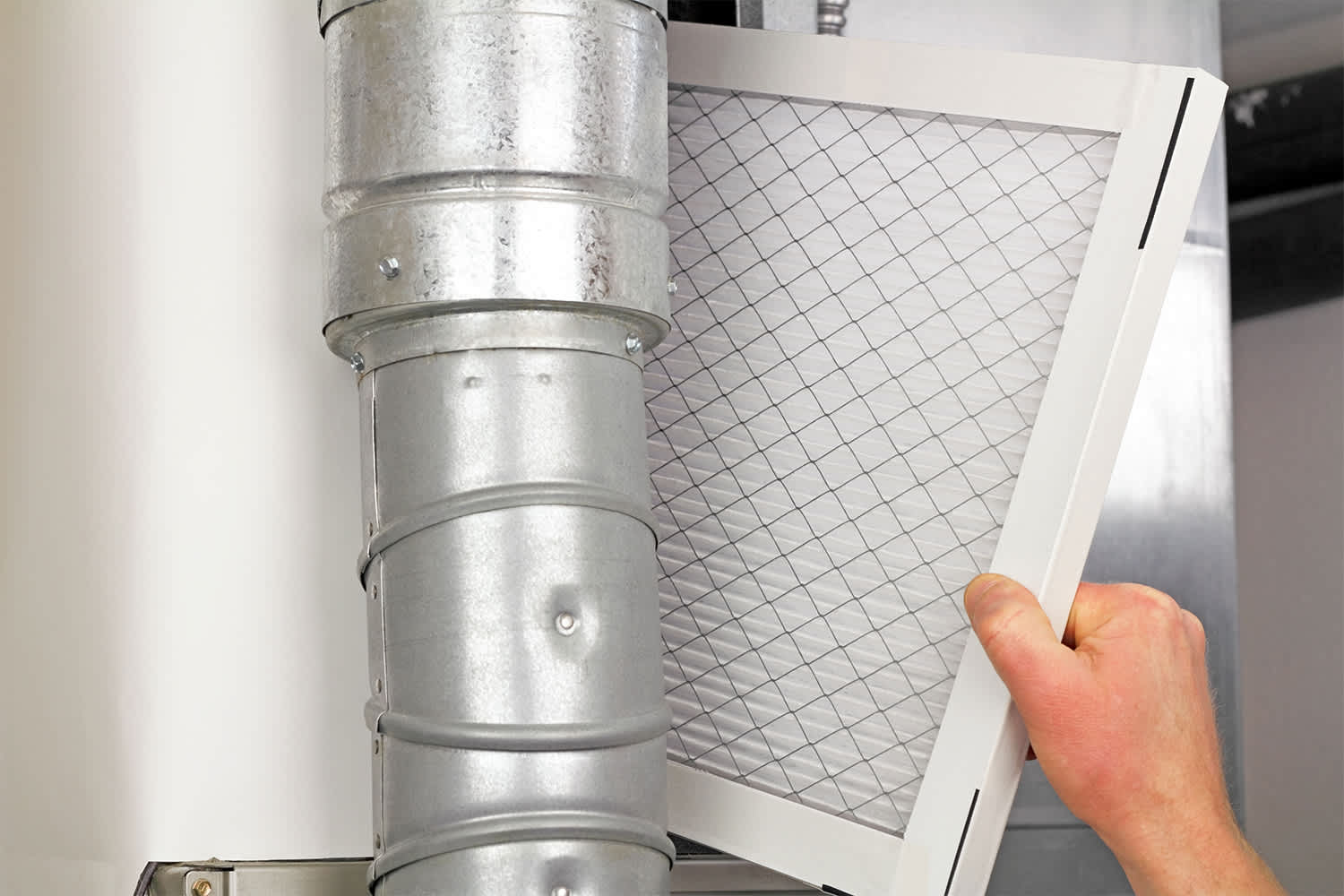
An electric furnace uses a system of coils, relays, ducts, and sequencers to push hot air out of the furnace through vents. Electric furnaces also have filters to keep allergens and other harmful materials out of circulation and thermostats that regulate the temperature and prevent your unit from overheating.
Electric furnaces come in various sizes and are easy to install. The upfront cost of an electric furnace is lower than a gas furnace, and maintenance costs are lower, too. You may spend more money on your electric bill throughout the year, depending on how much you run it.

An electric heat pump provides both heating and cooling for your home. You’ll pay more for an electric heat pump, but it’s more energy-efficient, plus you’ll be able to keep your home cool in the summer.
An electric heat pump operates similarly to a traditional electric furnace, except it has an outdoor segment containing a second coil, fan, and compressor. This pump operates year-round, helping heat the home quicker in the winter and cool more quickly in the summer.
Radiant heating systems are most often installed near the ceiling, also known as cove heating. An electric element heats up an aluminum panel, which then radiates the heat out into the room. If you opt for radiant heat, you’ll need quality insulation in your home to maximize the efficiency of your heating unit.

Baseboard heaters are ideal for smaller spaces or older homes. Installing these types of heaters doesn’t require ductwork. They’re low-cost and come in many different sizes. The biggest drawback is that their heat is limited to individual rooms, so you may need to install multiple baseboard heaters in your home.
If you already have a gas or oil furnace type or a heat pump, you might wonder if installing an electric furnace is a better choice. There isn’t a one-size-fits-all answer, as each type has advantages and drawbacks.
Cost to buy: Less than electric heat pumps and gas and oil furnaces.
Cost to install: Less than electric heat pumps and gas and oil furnaces, especially if your home doesn't have a gas line or an oil tank in place.
Maintenance: Less complex construction means you are less likely to encounter common furnace problems. They are generally easier and less costly to maintain and repair than heat pumps and gas and oil furnaces.
Safety: No risk of carbon monoxide poisoning from leaks as there can be with gas furnaces.
Lifespan: Can last longer than heat pumps and gas and oil furnaces as they don't require the same cleaning and aren't so prone to corrosion.
Flexibility: Some electric furnaces have a cooling mode for hot summer months.
Noise: No furnace ignition noise like there is with gas or oil furnaces.
Aesthetics: Electric furnaces are installed out of sight, making them less obtrusive than heat pumps, which have a large, standalone unit in the yard and sometimes, for mini-split, on inner walls.
Space: Electric furnaces occupy less space than gas or oil furnaces.
Cost: The cost to run an electric furnace in a cold region is more than a gas furnace (although it is typically less than an oil furnace or heat pump).
Efficiency: Have to work harder to reach and maintain desired temperatures than gas or oil furnaces, meaning they aren’t the best choice for very cold climates.
Air quality: Removes more moisture from the air than a gas or oil furnace—this can lead to dry skin and respiratory irritation.

While there are many options, setting a few goals for your budget and needs can make finding the right type of electric furnace for your home simple. There are a few things to consider that will make the shopping process much easier.
All furnaces receive an annual fuel utilization efficiency (AFUE) rating. The higher the AFUE rating, the more energy-efficient the furnace is. Modern electric furnaces are efficient, with their ratings for the amount of fuel they convert to heat being between 95% and 100%. However, picking one with as high a furnace efficiency rating as possible can help lower your electricity bills, especially when you live in a region that experiences sub-zero winter temperatures.
It pays to do some brand research when selecting an electric furnace. You want to balance price with reviews and reputation, available warranties (should cover parts for at least 10 years), and post-sales support. And if you're hooking the furnace up to an existing HVAC system, don’t forget to check if the brand's components are compatible.
Selecting the right size of electric furnace maximizes the appliance’s lifespan and helps to heat your home efficiently. If it’s too big, the furnace will cycle on and off a lot; too small and the unit will have to run more to heat the home. Both can lead to premature wear and tear and unnecessarily high bills.
It’s not as simple as picking a “small” electric furnace if you live in a one-bedroom apartment. Your home’s square footage plays the biggest part in calculating the size you need. But your region’s climate zone and home insulation levels are also factors. The measurement of furnace sizing is British Thermal Units (BTU), with residential furnaces typically measuring 44,000 BTU to 120,000 BTU.
There are calculators online to help, and a reputable furnace installer near you can keep you on the right track.
The fan motor that blows your appliance's hot air into your rooms can also inform the type of electric furnace you need. There are three speeds.
Single-stage: Two airflow settings—on or off. Old furnaces will have this setup, but it isn’t as common in new models. Only having full heat or nothing might make these furnaces more affordable, but they aren’t as efficient.
Two-stage: You can run the furnace at 100% capacity or a lower setting to maintain comfort and even temperatures efficiently. These models come with a higher price tag than single-stage furnaces.
Variable-speed (modulating): You can adjust the furnace fan speed incrementally. This is the most efficient type, but it comes with a high price tag and is unnecessary in many homes.
The Manual J Calculation is a mathematical equation that determines the amount of cooling or heating you need to manage the temperature in your home properly. You (or the professional you hire) will use this calculation to determine what size furnace and ductwork will work best for your home.
Electric furnaces are much less expensive to install than gas furnaces but more expensive than baseboard heating. The average cost to install an electric furnace is $2,000 to $7,000.
The typical unit costs between $800 and $4,500, and the rest of your costs will go toward labor, materials, permits, and any ductwork.
The average cost of an electric heat pump is $4,130 to $7,300, and the average cost to install a gas furnace is $3,800 to $10,000.
Angela Brown contributed to this article.
If you’re good people wanting to do business with good people, hire Matt. He is a consummate professional and utterly competent. He installed a water heater in my home at a price that beat competitors by hundreds of dollars with a promise to support the unit for its life (even after its 6 yr...
 Greene's Plumbing Services
Corey Carr was great. I had damage from a recent storm and needed to have my mast and other components replaced. The project entailed coordinating with AEP, and Corey helped make a stressful situation a lot less stressful. I really appreciated his dedication to service and the job very well done.
 Mr. Electric of Columbus
This service was great. My air conditioner went out during the heat spell that we had. My husband has health issues and they came out that night and at 9:30pm the air conditioner was fixed and running. We are sooo very thankful, this is the company I will be using from now on and would...
 Mr. Mechanical Ohio
I normally do not leave reviews, but my experience with Worthington Air was extremely frustrating and disappointing. About 30 days ago, I had a consultation done for an HVAC replacement and was quoted approximately $15,079. Based on that quote, I applied for financing through their company...
 ARS Columbus Worthington Air
Great company! Price was competitive, technician showed up on time and completed the job (exterior electric Radon fan replacement) quickly. Would hire them again.
 MaGen Property Inspections and Radon Mitigation
Raven and crew does absolutely fantastic job. They are very professional if any concerns were to occur with any of her work she always took responsibility and finished out with a great job. I have worked with her business for a year and have always been satisfied. Very trusted business and...
 Creations of Transformation LLC
I would recommend this company to anyone! He showed up on time, was friendly, completed a very difficult repair on our dryer vent cover, was responsive, and pricing was extremely fair and competitive. I would have him back to do any of our repairs or cleanings without hesitation!
 U.S.A. Dryer Vent, LLC
Ace Fireplace Services' chimney sweep service is truly exceptional. They used advanced technology to ensure a thorough cleaning process, and my chimney has never looked better. I highly recommend their services.
 Ace Fireplace Services
The technician was very professional and friendly. He answered all my questions and was very thorough. He left the fireplace area very clean . He inspected from the roof and advised me as to other work that might need to be done. There was no pressure there. I was very satisfied with the...
 Supreme brick & chimney
On time, clean and finished fast. Windows seem sturdy and the finish is good. Caulking was done with no smudges. Would recommend.
 Window Depot USA of Central Ohio
From average costs to expert advice, get all the answers you need to get your job done.
When it’s time to replace the furnace, review this guide for new furnace costs based on type, size, and efficiency, plus furnace installation costs.
The average cost of an electric furnace ranges between $1,700 and $7,000, depending on the size, ductwork, and complexity.
Discover the cost to install a propane furnace, including average prices, key cost factors, and tips to help you budget for your home heating upgrade.

Need to purchase a new gas furnace but aren’t sure which type is right for your home and needs? Taking a little bit of time to research furnaces to see which option is right for you can save you money over time. Here’s a look at five furnace types.

With so many types of furnaces out there, how do you know which one is best for you? Explore our guide to the five main types and get your home warmed up.

If you don’t maintain your heating and cooling system properly, home can feel like anything but the haven it should be. But nurturing your HVAC means learning about the different types of furnace filters so that you can choose the best for your home.