
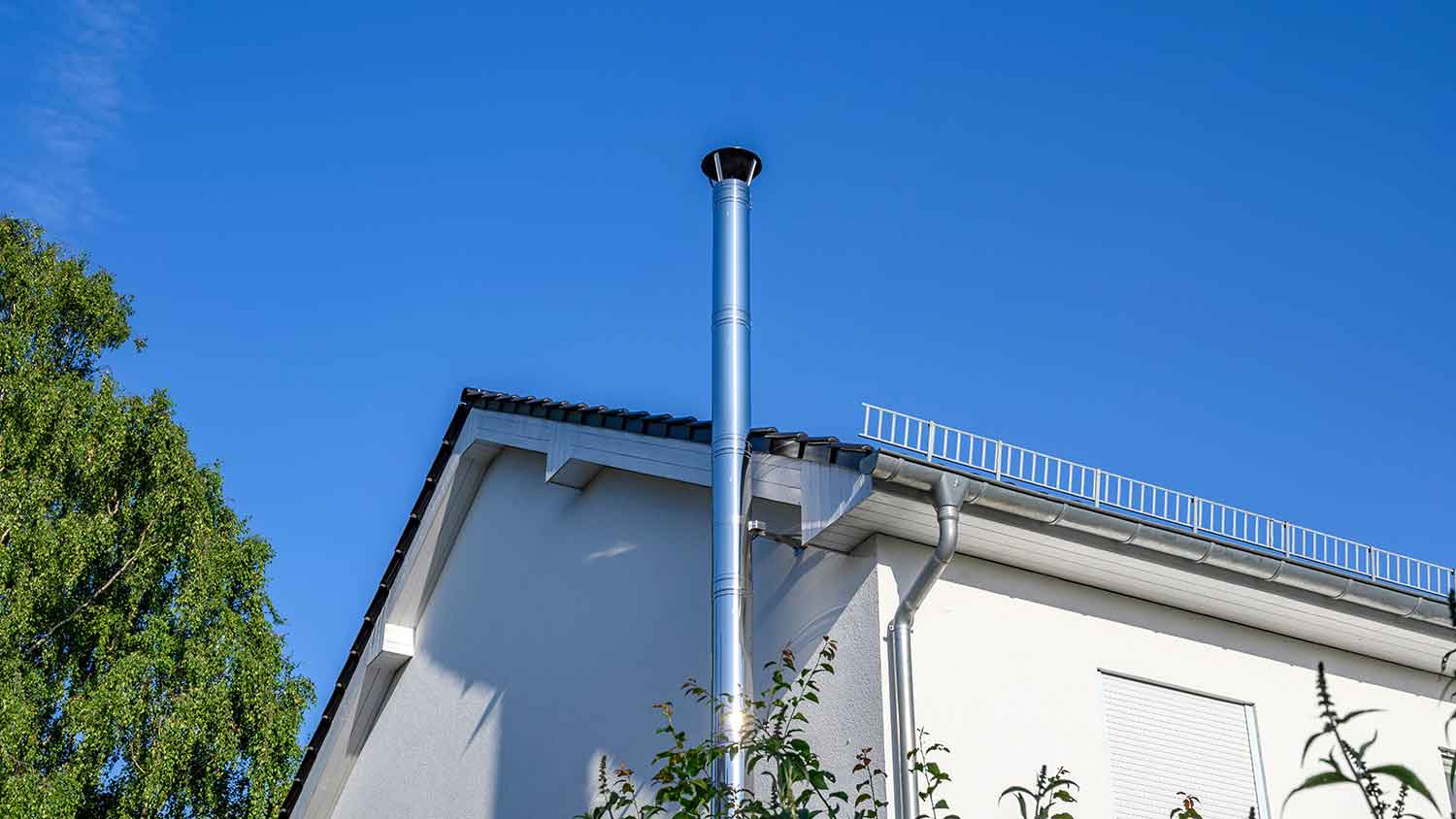
Oversized flues lead to chimney corrosion, freeze/thaw damage, and an uncomfortable draft. Here are the standard chimney flue sizes to ensure proper integration.
A chimney flue keeps the smoke up and out

A chimney flue is a passageway inside your chimney that directs smoke, gases, and combustion byproducts safely outside your home.
Expect to pay $450 for a chimney inspection, $200 to $750 for flue repairs, and around $2,500 for flue liner replacement.
Your flue prevents dangerous creosote buildup on chimney walls, which reduces fire risk and keeps your heating appliances running efficiently and safely.
Hiring a local chimney inspection professional provides peace of mind through annual inspections and expert guidance on repairs, helping you maintain a safe home.
If your home has a fireplace or heating appliance, such as a wood stove, it will also have a chimney to pass smoke, gases, and particles from the combustion safely outside your house. Inside that chimney is an unsung hero: the chimney flue. But what is a chimney flue, and why is it so important? The flue is an essential chimney component that ensures harmful smoke and gases don't accumulate within your living space. Learn everything you need to know about chimney flues to maintain a safe and healthy indoor environment.
A chimney flue is a part of the chimney that serves as a passageway or channel for smoke, gases, and other combustion byproducts to exit the home safely. Typically constructed from materials such as clay tiles or metal, the flue's design promotes the upward flow of hot gases, creating a draft that draws the harmful emissions away from the heating appliance or fireplace and directs them outdoors.
By facilitating efficient ventilation, the chimney flue helps prevent indoor air pollution, chimney fires, and potential health hazards, making it a critical component of a well-functioning heating system or fireplace in any home.
There are four main types of chimney flue materials: cast-in-place, clay, stainless steel, and aluminum.
Cast-in-place chimney flues require a lot of labor to install, resulting in a higher price than other materials. When a pro installs this flue, they pour concrete into a rubber mold and let it set before removing it. Though installation is tricky, this flue can last 50 years while also strengthening the chimney structure.
Clay chimney flues are the most affordable option but can crack over time when exposed to high temperatures. Installation can also be more difficult, leading to a higher labor cost. When properly maintained, a clay chimney flue can last 50 years.
Stainless steel chimney flues are durable and safe options for appliances that generate high temperatures, such as wood-burning stoves and furnaces. With proper maintenance, they can last 15 to 20 years.
Aluminum chimney flues are affordable but can rust when exposed to high temperatures. Therefore, they’re best used for gas fireplaces. A well-maintained aluminum chimney flue lasts between five and 15 years.
Chimney flues are necessary for homes with fireplaces or other heating appliances, primarily for safety reasons. The flue ensures optimal air quality within the home by directing toxic gases to the exterior, helping prevent respiratory difficulties and potential carbon monoxide poisoning.
Properly maintained flues prevent the buildup of creosote, an extremely combustible element that can collect on the chimney's walls. This lessens the risk of chimney fires, which could lead to substantial destruction to the chimney and encompassing structure.
A properly working flue establishes a draft that permits the smooth stream of air and combustion gases. This guarantees that fuel is burnt efficiently and that heating appliances and fireplaces operate optimally. A chimney flue with proper insulation will reduce condensation from gathering inside the flue. Over time, condensation can cause damage.
A well-designed flue also restrains downdrafts—where outside air is drawn into the home through the chimney, thus reducing the heating appliance's efficiency.
Many building codes and regulations require the installation of proper chimney flues for safety reasons. Compliance with these codes is essential to ensure the legality and insurability of a building. The legal requirements may vary based on your location. If you're planning to build a home, a masonry contractor will ensure your home's chimney meets the guidelines for your area.

Proper maintenance, including cleaning and chimney repair, is necessary to ensure the safety of your home and the efficiency of your fireplace and heating appliances. Annual inspections by a certified chimney inspector near you are a vital task to keep on your calendar. These professionals will assess the condition of your chimney flue, identify any issues, and recommend necessary maintenance or repairs. On average, chimney inspections cost $450.
During an inspection, a chimney expert will assess whether you need any repairs to your flue. A minor repair, such as replacing a few cracked tiles, can cost as low as $200 to $400. Extensive chimney repair costs more—up to $750. If the damage is severe, you may need to replace the chimney flue liner, which costs $2,500 on average.
Annual cleanings by a professional chimney sweep can either be completed alongside your inspection or at a different time. These cleanings help remove creosote and debris that could pose a safety risk or decrease efficiency. The average chimney sweep cost ranges between $130 and $380.
Requests for chimney sweeping account for over half of all chimney maintenance services, and about one-third are for inspections. A chimney flue can last longer with regular cleanings and proper care. A certified chimney sweep can inspect and clean your chimney annually, as well as recommend necessary repairs.
Installing a chimney flue liner costs between $1,500 and $5,000, with an average price of $2,500.
The exact cost you pay depends on the type of material you choose. A stainless steel chimney flue liner costs an average of $65 per square foot, compared to $10 per square foot for a clay or terracotta flue liner. However, stainless steel is both longer-lasting and safer than other flue liner materials, which could make the added expense worth it.
The cost can also increase if your chimney is in disrepair and needs to be fixed before installing the flue liner. Chimney repairs cost an average of $455.
Labor to install a chimney flue costs between $400 and $1,250 on average. To save money, you might wonder whether this is a project you can tackle yourself. However, chimney flue installation is a job best left to a chimney repair professional near you.
Incorrect flue liner installation can affect the structural integrity of your chimney and fireplace, leading to costly repairs down the road. It can also increase the risk of fire, heat damage, and other hazards.
Positive experience. As previously stated, the replacement/repair could not be completed (no fault of the plumbing tech) b/c misinformation was rec?d by property management maintenance. Thanks to the plumbing tech for your efforts. Appreciate you!
 The Waterworks
Carpet repair done well. Scheduling was easy. Showed up on time.
 BR Flooring Installation
I would recommend this company to anyone! He showed up on time, was friendly, completed a very difficult repair on our dryer vent cover, was responsive, and pricing was extremely fair and competitive. I would have him back to do any of our repairs or cleanings without hesitation!
 U.S.A. Dryer Vent, LLC
Ace Fireplace Services came to the rescue for my chimney repair. They were quick to pinpoint the issue and worked their magic to fix it. My chimney is now in excellent shape, and I'm a satisfied customer.
 Ace Fireplace Services
100% satisfied with the work done by Supreme Brick & Chimney. Josh responded to my Angi request very quickly and squeezed our house into his schedule only a couple business days out. The chimney cleaning process was extremely clean with ZERO dirt going anywhere besides in Josh's vacuum. Very...
 Supreme brick & chimney
On Sunday 2/26 I requested quotes via Angi from 4 refrigerator repair businesses. Northwest Appliance responded to me Monday morning (2/27) and my refrigerator was repaired by noon the same day. Great communication, they did everything they said they would. The technician had the parts on...
Description says they handle window repair including rotten hardwood - they called me back right away but didnâ t leave a voicemail. I followed up 3 days later and they said they donâ t do that kind of work.
 Window-Gurus
They arrived on time repairs performed quickly very porvesinal
 Property-Tech Industries
Mike and his crew did a great job working through a very challenging task. The job required a full demolition of our ceiling, removing the blown in insulation and removing all the material from the site daily. It involved multiple inspections from the city and many challenges to get the...
 Rising Height Unlimited
Mr. Lopez was super nice and professional. He repaired our drywall just as he described during the estimate phase. Our dining room wall looks great again! Thanks Mr. Lopez!
From average costs to expert advice, get all the answers you need to get your job done.
Oversized flues lead to chimney corrosion, freeze/thaw damage, and an uncomfortable draft. Here are the standard chimney flue sizes to ensure proper integration.
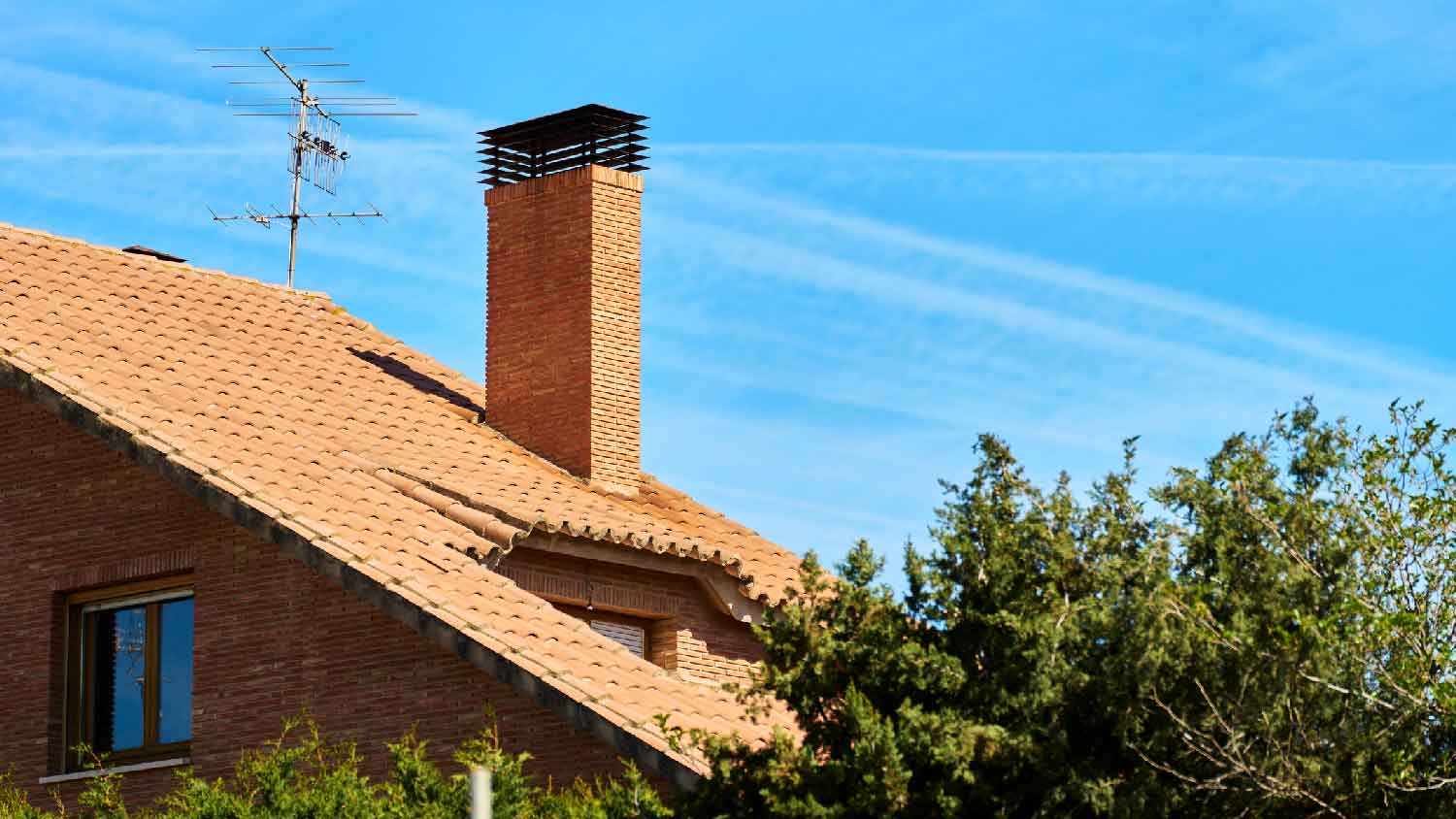
Your home’s chimney is made up of several parts. But when it comes to the difference between a chimney damper versus a flue, these parts work together.
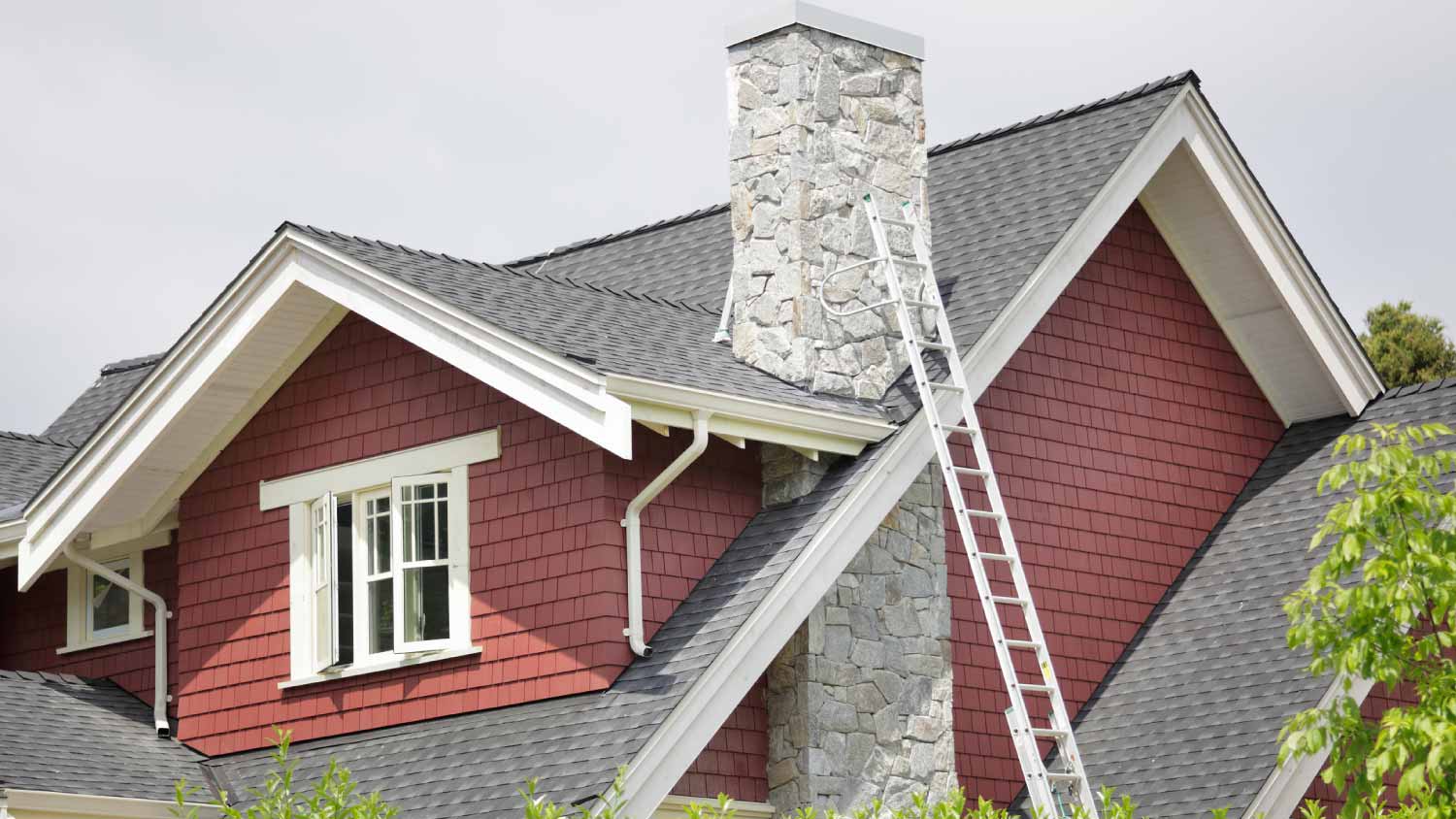
It might be simple enough to repair a chimney flue crack by replacing a single tile, but for long-term safety, call a chimney repair pro to replace the flue liner.

If you own a fireplace, learning how to open and close your chimney flue ensures you allow smoke out of your home when it’s in use and stay warm when it’s not.
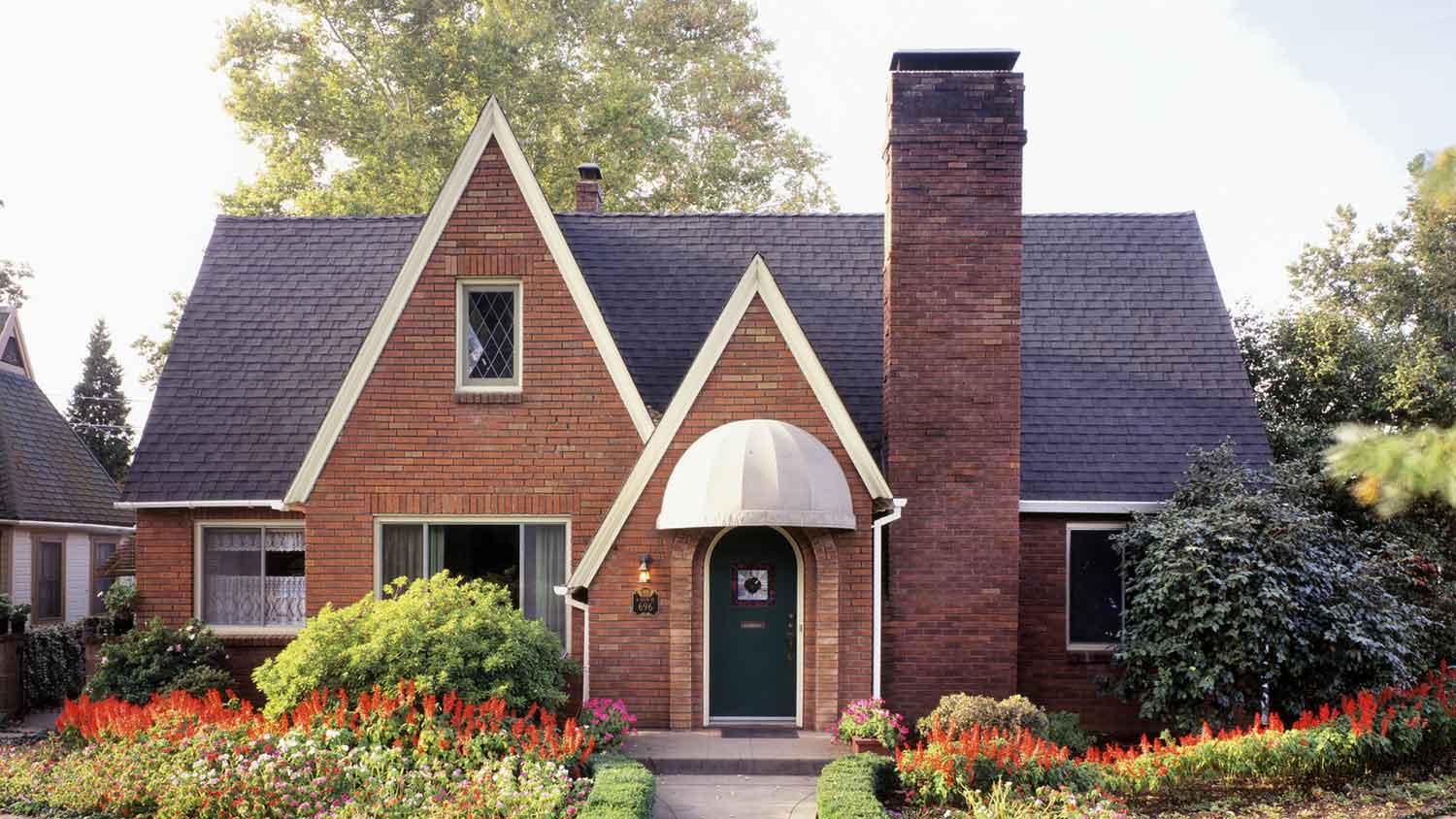
Stay on top of your chimney safety and maintenance with our chimney inspection checklist featuring expert tips on how to work with an inspector near you.
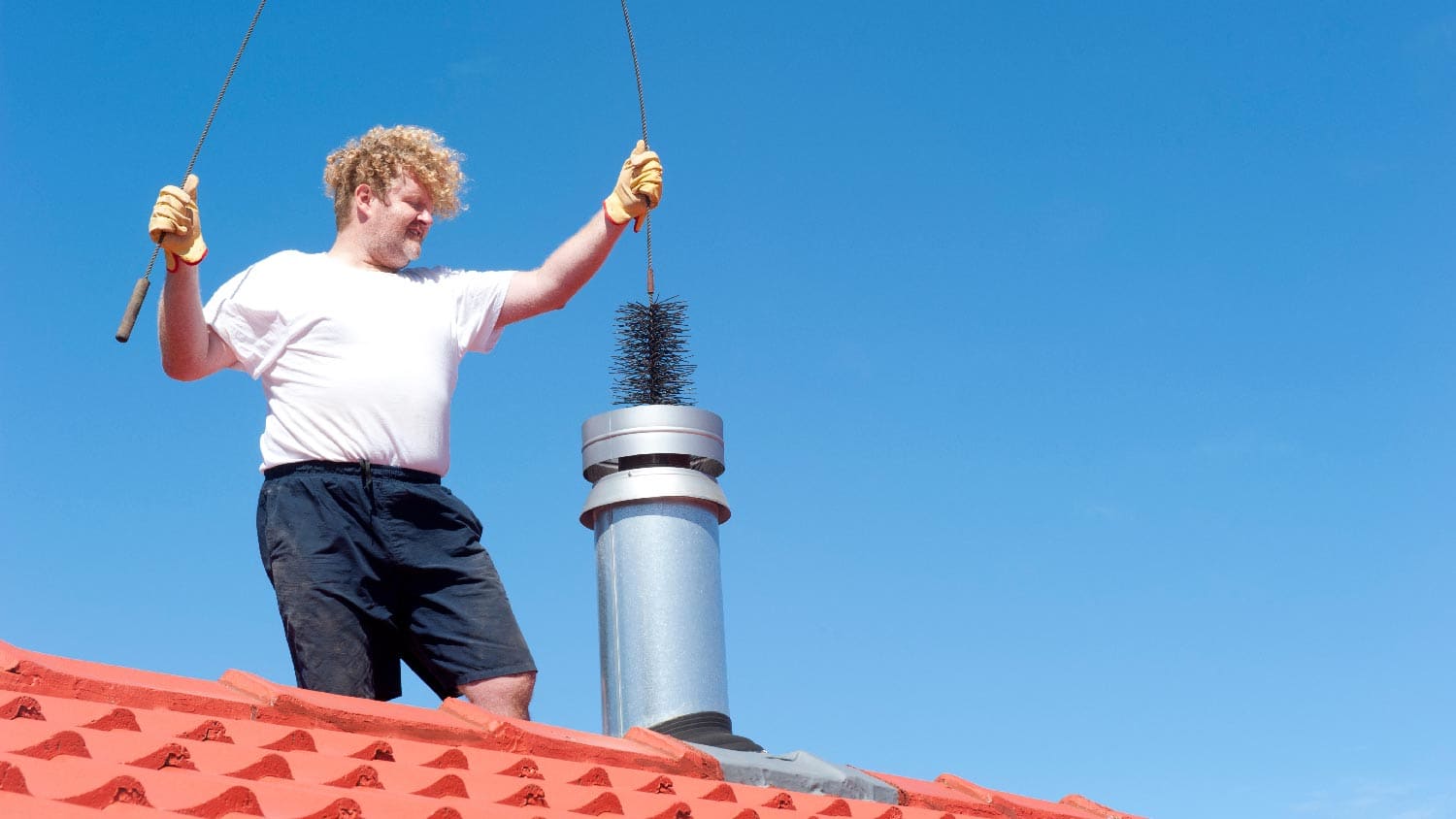
If you have a new chimney or chimney liner, you may wonder if metal chimney flues need cleaning. The short answer is yes, you need to clean a metal chimney flue.