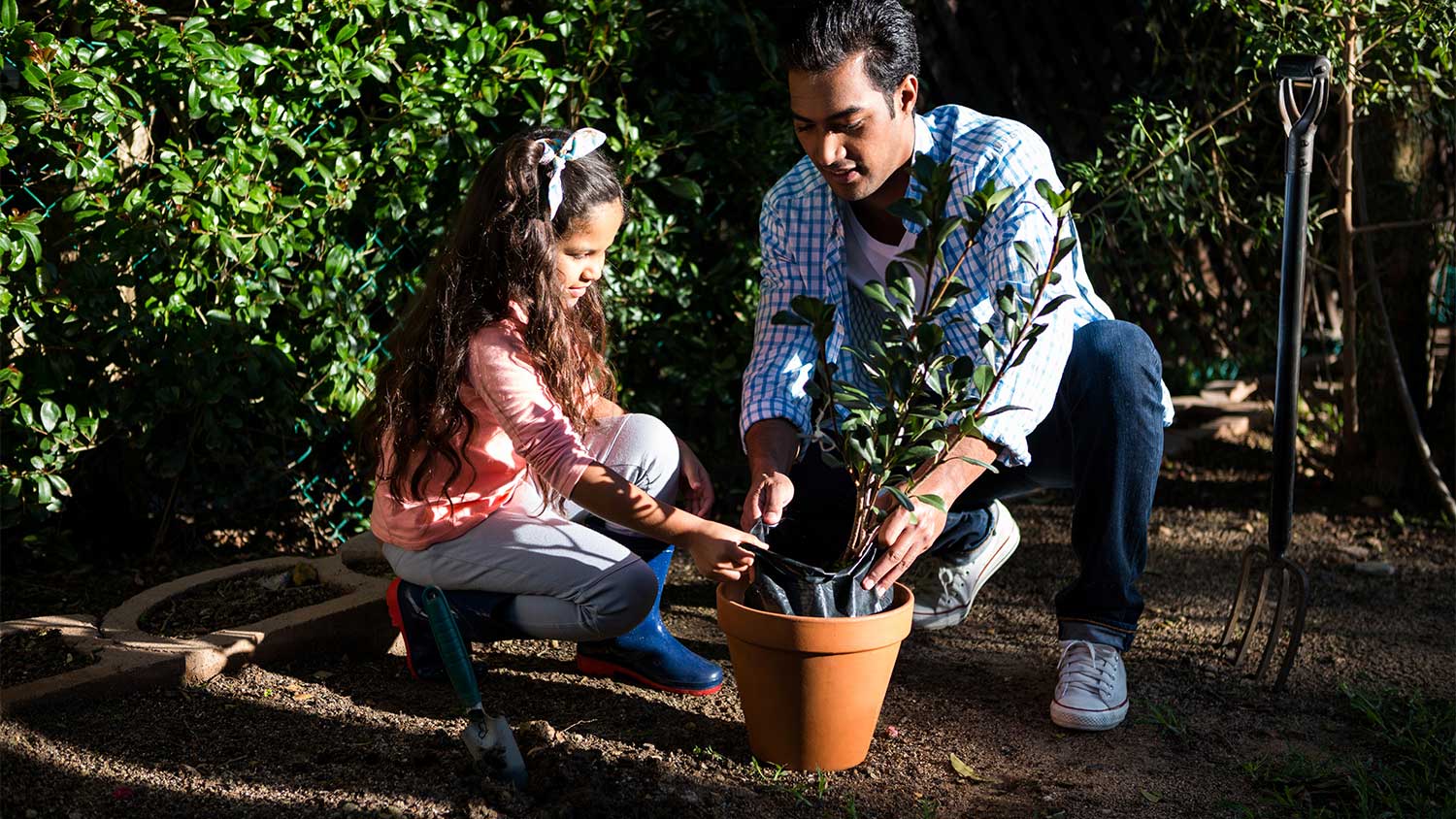








It is possible to plant a tree over a ground stump if it was ground very deeply. However, it is typically best to plant elsewhere so your new tree has room to establish a strong, healthy root system. If you want to plant a tree in the same spot where you currently have a stump, you may want to consider other options, such as stump removal.
The best landscaping for a septic drain field is shallow-rooted grass or native vegetation that helps prevent soil erosion while allowing water to evaporate efficiently. Avoid planting trees, shrubs, or deep-rooted plants near the drain field because the roots can infiltrate pipes and cause blockages. Using mulch or gravel sparingly can also help retain moisture and protect the system without restricting airflow.
You can fill the holes weeds leave behind with soil or sand to avoid unsightly spots or tripping hazards. If you remove weeds from a grassy area, fill the hole with soil and grass seed, and water regularly to promote grass growth.
Most bamboo can send roots down two to three feet into the ground. However, when stopping bamboo from spreading, the focus is on the runner roots or rhizomes. These roots are much shallower, staying 12 inches or less from the surface, so they’re easier to find and remove. But if you want to remove the bamboo entirely, you’ll have to dig out the full root system.
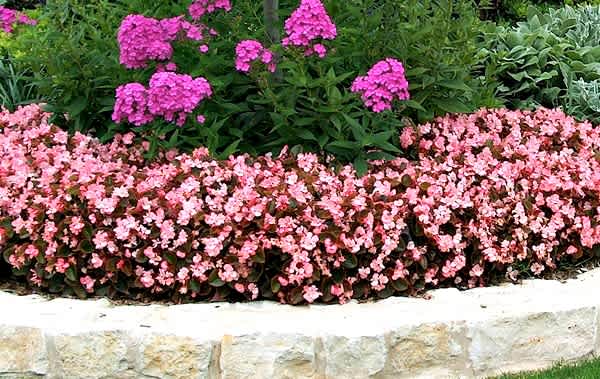
While there are over 400,000 different flowering plants worldwide, there are five main types of flowers. These flower types are based on their lifecycles, giving each type a unique personality. These types are:
Annuals, which complete their entire life cycle within a single growing season.
Perennials, which the tops die off in the winter but regrow in spring.
Biennials, which complete their entire life cycle within two years.
Hybrids, which exhibit either annual or perennial behaviors depending on location
Flowering shrubs, which are small to medium-sized perennial woody plants, such as shrubs or evergreens.
The Scribner, NE homeowners’ guide to landscaping services
From average costs to expert advice, get all the answers you need to get your job done.
You've heard of landscape designers and landscape architects, but what's the difference? Here's when to hire each pro to bring new life to your landscape.