




Top-rated electricians.

Get matched with top electricians in Lake Helen, FL

Enter your zip and get matched with up to 5 pros

Need a pro for your electrical service project in Lake Helen, FL?

Select your specific project to find the pro for you.

TRUSTED BY LAKE HELEN, FL HOMEOWNERS

  • Average homeowner rating star icon4.4
    Average homeowner rating
  • Verified reviews icon610
    Verified electrical services reviews

Find Electricians in Lake Helen

Avatar for Atlantic Electric LLC
Atlantic Electric LLC
4.9(
88
)
Ceiling Fan - InstallElectrical Wiring or Panel UpgradeCeiling Fan - Repair+14 more

Serving Lake Helen, FL and surrounding areas

Approved

In business since 2005

Free estimates

Warranties offered

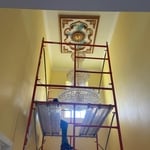
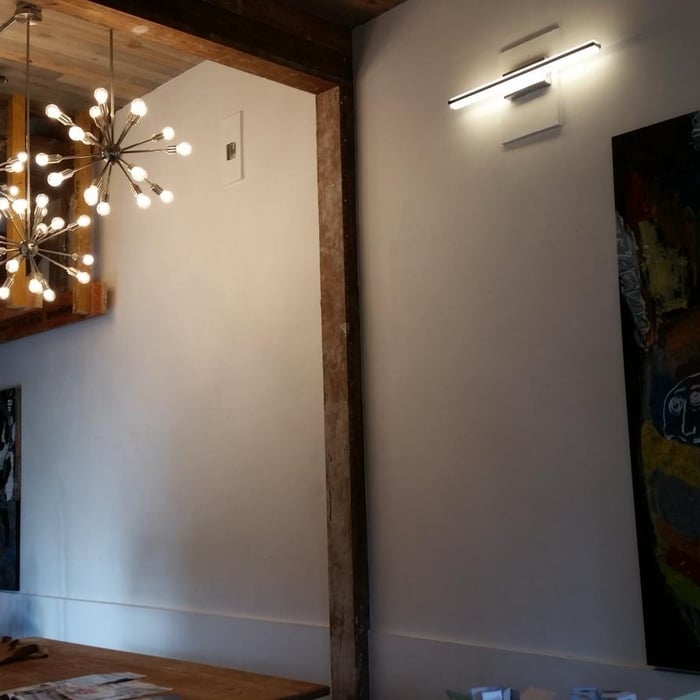
"Joel and Will are electrician superstars in my humble opinion. They worked efficiently to install a light fixture in our entryway and to check out our electrical circuits. We're very pleased with the service they provided and they also showed themselves to be really nice people that we were happy to have in our home. Also, the lady who sets up appointments, Tracy I believe, is an absolute sweetheart who treats customers like they're the most important people in the world. Their service fees are more than reasonable. We won't use anyone else for electrical issues."
Additional Photos
Additional Photos
Additional Photos
Additional Photos
Additional Photos

+8

Response time3 days
Response rate100%
2 neighbors recently requested a quote
All Systems Solutions
5.0(
18
)
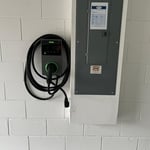
Electric Vehicle Charging Station Installation - Materials Not ProvidedElectric Vehicle Charging Station InstallationElectric Vehicle Charging Station Installation - For Business+10 more

Serving Lake Helen, FL and surrounding areas

Approved

Customers say: True professional

"Robert & team did a great job of throughly removing the old system and ensuring there were no live electrical wires. Thank you!!!"
Response time1 day
2 neighbors recently requested a quote
Recommended by88%of homeowners
United Lightning Rods
4.9(
64
)
Lightning Protection - Install or Repair

Serving Lake Helen, FL and surrounding areas

Approved

Super Service Award Winner

In business since 1941

Free estimates

Warranties offered

"Ed Riley is extremely knowledgeable about what causes lighting and how to protect from it. He explained to me which and how structures develop static electricity that lead to lighting discharges in a way that the physics made sense to me. They were also reasonably priced and kept their word. Definitely recommend them."
Response time2 days
Response rate99%
81 neighbors recently requested a quote
...
Showing 1-10 of 287
Electrical questions, answered by experts

Upgrading your electrical panel is often worth the cost for safety, improved electrical performance, and potential long-term savings. A primary benefit is preventing electrical fires and other hazards from a malfunctioning panel, ensuring your household's safety. An upgraded panel also provides a steady flow of electricity, eliminating issues like flickering lights and frequently tripped breakers. It allows you to connect additional appliances without overloading the system, which is especially beneficial for older homes with 100-amp service that are prone to overheating. If you run large appliances like central air conditioning, heating systems, hot tubs, or saunas, you might consider upgrading to a 300- or 400-amp service to meet the higher electrical demand. Furthermore, an upgrade can lead to long-term savings on energy bills and potentially lower insurance costs.

Yes, pool pumps use a significant amount of electricity, making them one of the biggest energy consumers in a home. A pool pump can use up to three times as much electricity as a refrigerator. Typically, a residential pool pump consumes about 1 kilowatt-hour (kWh) for every hour it runs. Because pumps often need to run for about eight hours a day to properly filter the water, this can add up to an annual consumption of 3,000 to 5,000 kWh, which can cost between $480 and $800 per year based on average electricity rates.

The amount of electricity your pump uses depends on its size, energy efficiency, and daily run time. To lower your energy consumption, you can choose an energy-efficient or variable-speed pump, ensure it is correctly sized for your pool, and run it only for the minimum time required to keep the water clean.

240V is the standard for more demanding appliances in the United States, whereas 220V is more common elsewhere. The voltage isn’t very different in any practical sense. The United States is a newer country compared to many other regions in the world with a faster adoption of new electrical needs. Appliances in the United States are often bigger than other parts of the world.

The key difference between a circuit breaker versus a surge protector is that circuit breakers shield your entire electrical system from overcurrents and faults, while surge protectors defend your electronic devices against voltage surges and spikes. A circuit breaker interrupts the flow of electricity in a circuit when it detects an overload or short circuit, protecting the wiring from damage and preventing fires. In contrast, a surge protector shields electronic devices from voltage spikes, such as those caused by lightning strikes or power surges, preventing damage to the device’s inner mechanics.

Window AC units use a fair amount of electricity, but significantly less than central AC systems. Because they are more energy-efficient for cooling individual rooms or small spaces, their usage is comparatively low. On average, a window AC unit consumes between 500 and 1,400 watts, while a central AC system uses over 3,500 watts—meaning a window unit uses about one-third of the energy. This typically translates to a monthly running cost of $15 to $40, although this can vary depending on external factors.

The Lake Helen, FL homeowners’ guide to electrical services

From average costs to expert advice, get all the answers you need to get your job done.