


Top-rated electricians.

Get matched with top electricians in Sorrento, FL

Enter your zip and get matched with up to 5 pros

Need a pro for your electrical service project in Sorrento, FL?

Select your specific project to find the pro for you.

TRUSTED BY SORRENTO, FL HOMEOWNERS

  • Average homeowner rating star icon4.3
    Average homeowner rating
  • Verified reviews icon690
    Verified electrical services reviews

Find Electricians in Sorrento

Avatar for Mr. Electric
Mr. Electric
5.0(
2
)
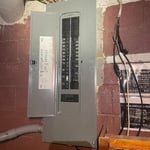
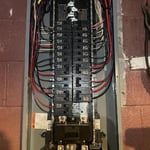
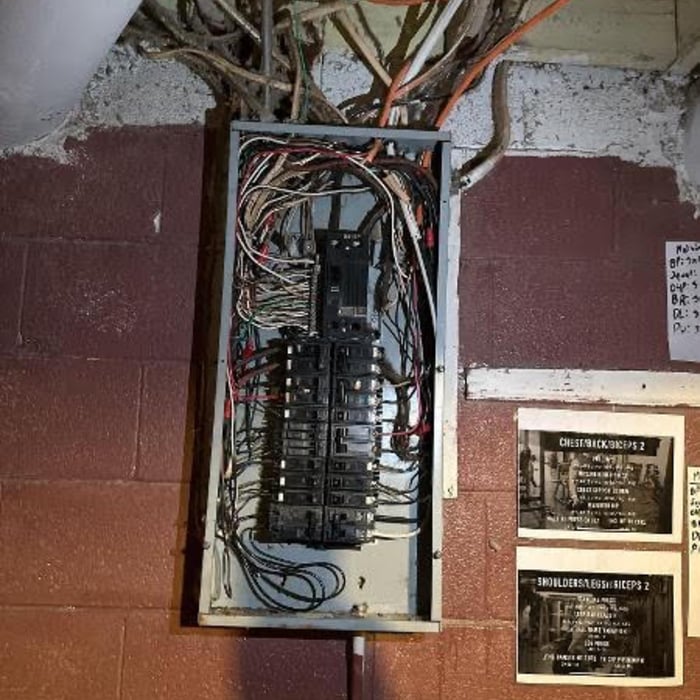
Electrical Wiring or Panel UpgradeElectric Vehicle Charging Station Installation - For Business - Materials Provided by ConsumerElectric Vehicle Charging Station Installation - Materials Provided by Consumer+4 more

Serving Sorrento, FL and surrounding areas

Approved

In business since 1999

Free estimates

Credit card accepted

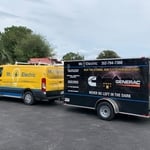
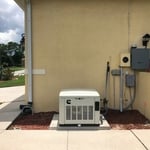
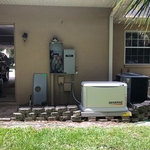
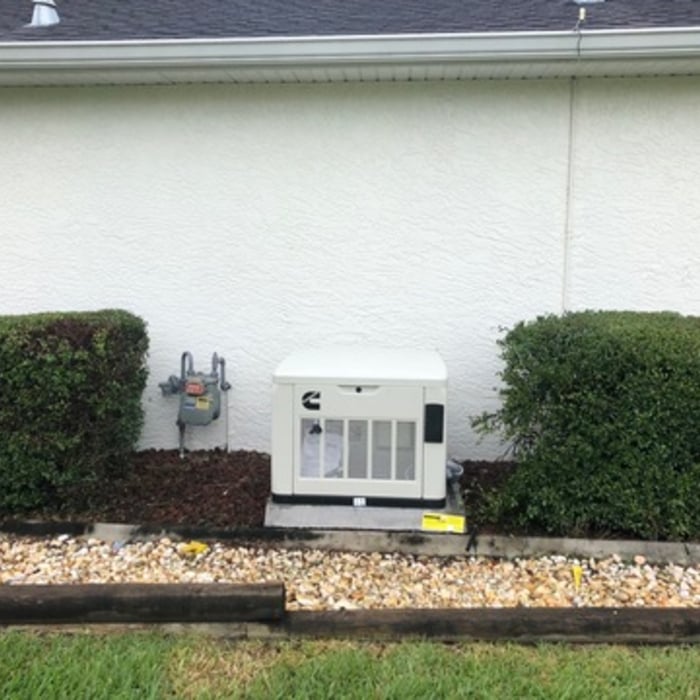
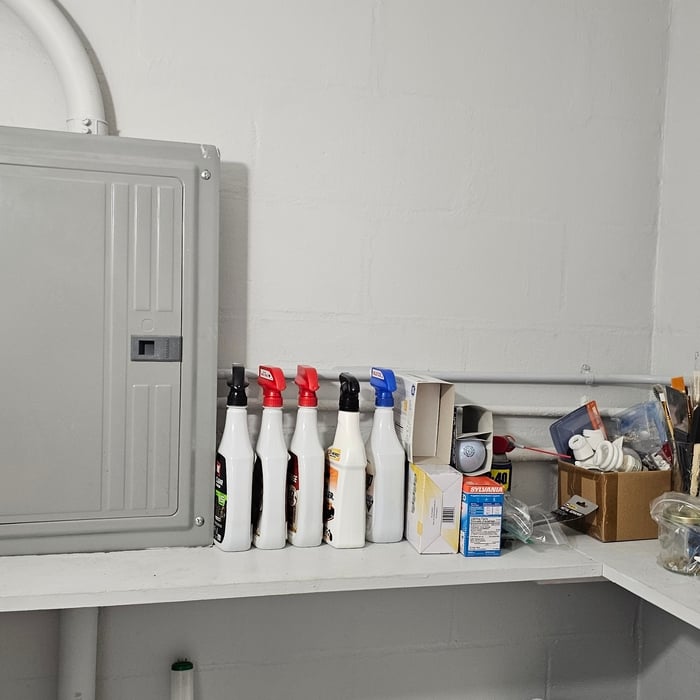
Mr. Electric is a locally/owner/family run and operated business. . If you need emergency service or appointments that work around your schedule, then Mr. Electric is ready to help you. We have licensed electricians who are thoroughly background checked, and our company is fully insured for your protection. Residential and commercial projects welcome. Prompt reply to your request. Workmanship guaranteed. Call for service today at 352-400-4537.\nCall us today at \n352-400-4537.

Pictures
Pictures
Pictures
Pictures
Pictures

+8

Response time11 hrs
Response rate93%
4 neighbors recently requested a quote

United Lightning Rods
4.9(
64
)
Lightning Protection - Install or Repair

Serving Sorrento, FL and surrounding areas

Approved

Super Service Award Winner

In business since 1941

Free estimates

Warranties offered

"Ed Riley is extremely knowledgeable about what causes lighting and how to protect from it. He explained to me which and how structures develop static electricity that lead to lighting discharges in a way that the physics made sense to me. They were also reasonably priced and kept their word. Definitely recommend them."
Response time50 mins
85 neighbors recently requested a quote
Recommended by82%of homeowners
...
Showing 1-10 of 390
Electrical questions, answered by experts

Dehumidifiers typically use 300 to 700 watts of electricity per hour, whereas portable dehumidifiers use about 40 watts per hour. The exact amount of electricity your dehumidifier will generate depends on its capacity and energy efficiency. Generally, higher-capacity dehumidifiers generate more electricity than lower-capacity units, but they also usually have better energy efficiency over the long run.

DIY is not recommended for commercial settings due to safety regulations. Hire licensed professionals for compliance.

Upgrading your electrical panel is often worth the cost for safety, improved electrical performance, and potential long-term savings. A primary benefit is preventing electrical fires and other hazards from a malfunctioning panel, ensuring your household's safety. An upgraded panel also provides a steady flow of electricity, eliminating issues like flickering lights and frequently tripped breakers. It allows you to connect additional appliances without overloading the system, which is especially beneficial for older homes with 100-amp service that are prone to overheating. If you run large appliances like central air conditioning, heating systems, hot tubs, or saunas, you might consider upgrading to a 300- or 400-amp service to meet the higher electrical demand. Furthermore, an upgrade can lead to long-term savings on energy bills and potentially lower insurance costs.

A two-way switch is also called a single-pole or single-throw switch. These switches only have an on-and-off function and only control a single light or series of lights wired together. A three-way switch has no “on” or "off” position and works with a second switch in the circuit to control a single light or light series from two locations.

The American Wire Gauge system calculates wire size diameters using the complicated formula D(AWG)=.005·92((36-AWG)/39) inch. A simpler rule of thumb is that every six-gauge decrease doubles the wire diameter, and every three-gauge decrease doubles the wire’s cross-sectional area. On the other hand, wavenumbers are typically measured in reciprocal meters (1/m or m−1) or reciprocal centimeters (1/cm or cm−1).

The Sorrento, FL homeowners’ guide to electrical services

From average costs to expert advice, get all the answers you need to get your job done.