



Top-rated drywall pros.

Get matched with top drywall pros in Higginson, AR

Enter your zip and get matched with up to 5 pros

Need a pro for your drywall service project in Higginson, AR?

Select your specific project to find the pro for you.

Find Drywall pros in Higginson

Avatar for Williams Home Solutions
Williams Home Solutions
4.9(
35
)
Drywall - Repair

Serving Higginson, AR and surrounding areas

Approved

In business since 2021

Free estimates

Credit card accepted

"He did excellent work repairing my front door and some sheetrock work in my garage, He was prompt, courteous and reasonably priced, however he damaged my wood flooring during the course of his work and did not want to take responsibility for it. So for that reason i would not recommend him."
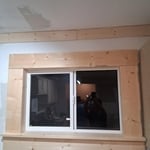
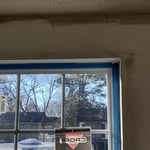
Our work
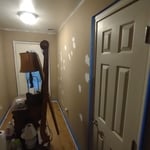
Our work
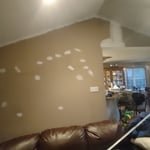
Our work
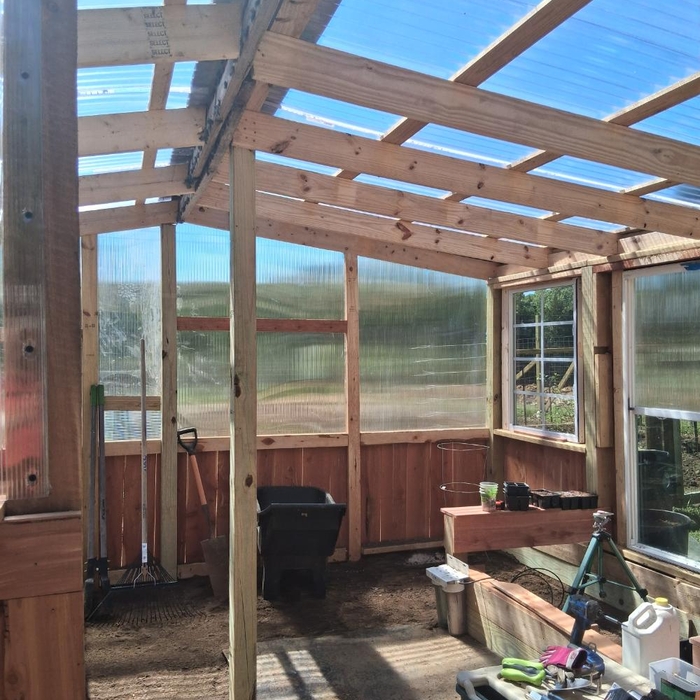
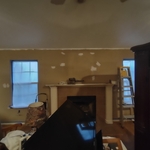
Our work
Our work

+10

Response time2 days
21 neighbors recently requested a quote
Recommended by88%of homeowners
...
Showing 1-10 of 91
Drywall questions, answered by experts

You can usually tell if you have plaster or drywall by touch (plaster is harder, colder, and smoother than drywall) or by tapping on it (drywall sounds hollow, plaster does not). If you still cannot tell, peek under an outlet cover and check the cut edges. The rough edges show the composition of the wall. You will see either drywall (two paper sheets sandwiching gypsum material) or only plaster material (no paper sheets).

There are six levels of drywall finish, from 0 to 5, that refer to the amount of work performed during the finishing process.

Level 0: Drywall is hung with no finishing work.

Level 1: Tape is placed over the seams between drywall sheets.

Level 2: A thin layer of mud is applied over the tape and screw holes. This level is common for utility rooms or walls that will be covered.

Level 3: A full coat of mud covers the screw holes and tape, but the surface is not sanded. This is often used in garages.

Level 4: This is the most common finish for visible interior walls. It involves applying two coats of mud over seams and screw holes, with sanding between each coat, creating a smooth surface ready for flat paint.

Level 5: This is a high-end finish for luxury homes. It includes full taping, mudding, and sanding, plus a final skim coat over the entire surface before painting.

While textured walls can elevate a space in many ways, there are a couple of downsides to consider. Namely, they’re hard to clean, and some textures fall out of fashion quickly. Make sure to consider all your options to find one you truly love before diving in. 

While not always necessary, you can glue a drywall ceiling in addition to using screws or nails. Drywall is typically secured to ceiling joists with fasteners, which is often sufficient. However, adding construction adhesive can offer benefits like preventing sagging, bridging gaps, and reducing air leaks for better energy efficiency. It may also be used for specific acoustic or insulation needs. On the other hand, many professionals advise against it because properly placed screws make the drywall structural, glue doesn't add strength, and it makes future repairs or replacements significantly more difficult. Ultimately, it's best to follow local building codes and project-specific requirements to decide if adhesive is right for your ceiling.

When you are learning how to tape and mud drywall, waiting for things to dry requires a lot of patience. So how long does drywall mud take to dry? On average, it takes about 24 hours. However, it depends on things like the thickness of the mud, as well as the room’s temperature, humidity, and ventilation. Using thin layers of mud in a warm, low-humidity room with good airflow reduces average drying time. You also could speed up drying time by making use of hot drywall mud, which consists of a powder that you mix with water, instead of using pre-mixed mud. 

The Higginson, AR homeowners’ guide to drywall services

From average costs to expert advice, get all the answers you need to get your job done.