

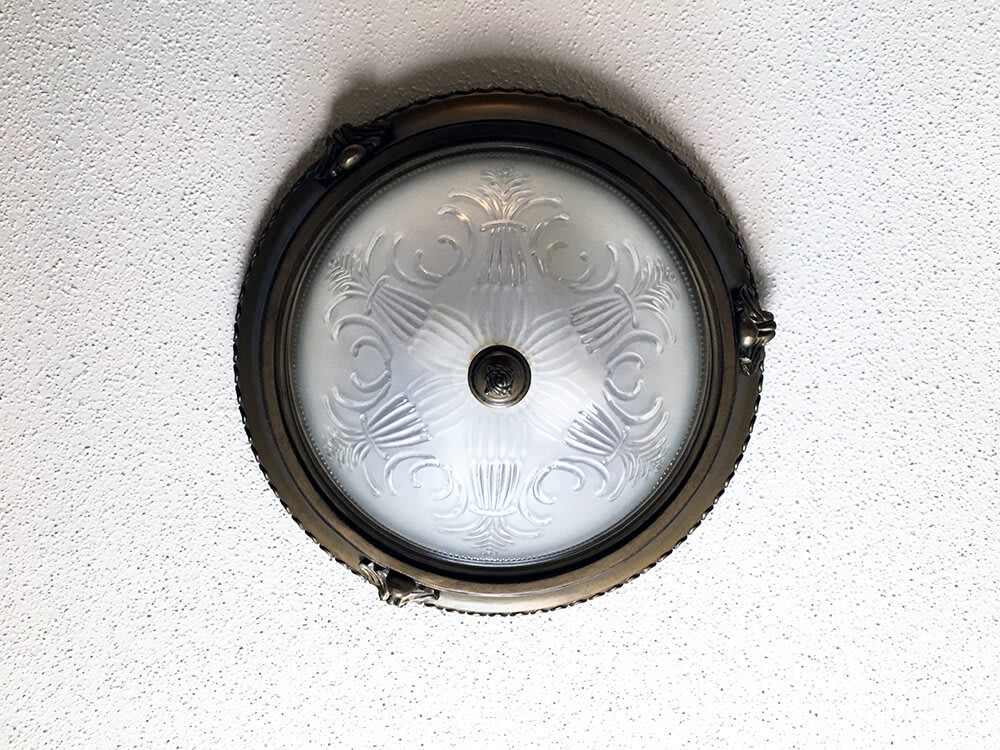
Popcorn ceiling removal costs depend on the size of your ceiling and any additional services like asbestos removal and resurfacing. Learn all the costs here.
Drywall service costs depend on your project and location. Check with a local pro for your specific job.

Professional beadboard ceiling installation costs $5,100 on average, with most projects ranging from $2,000 to $6,800 for your home.
Your material choice determines the final look and budget, with vinyl and MDF offering affordable options while hardwoods bring warmth.
Account for coffered framing between $80 and $600 if you want decorative depth, plus potential removal fees for existing textures.
Hiring a local popcorn ceiling professional ensures precise overhead cutting and leveling and saves you the physical strain.
The cost to install beadboard ceiling is $5,100 on average, but can run between $2,000 and $6,800. For those unfamiliar with the term, beadboard is a type of wood paneling—similar to hardwood flooring—that is “hung” on ceilings and walls, adding texture and style to an otherwise flat surface. Beadboard can look beautiful, and while it isn’t the least expensive way to decorate your ceiling, it can be a smart way to cover up outdated styles like popcorn ceilings—as long as they don’t contain asbestos.
| Room Type | Ceiling Size in Square Feet | Total Cost |
|---|---|---|
| Bedroom | 100 | $600–$1,100 |
| Primary bedroom | 150 | $900–$1,700 |
| Living room | 300 | $1,800–$3,300 |
| Bathroom | 50 | $400–$900 |
| Basement | 200 | $1,200–$2,200 |
The average cost for professional beadboard installation ranges from $5 to $6 per square foot. In most cases, you can install beadboard directly over existing ceiling styles without needing to remove any of the ceiling’s applied texture. The cost per room varies based on size but unless the ceilings are much higher in one room versus another, the cost per square foot should be the same.
If you choose to remove any existing texture, expect to pay an additional $1.30 to $2.50 per square foot, plus an additional $3 to $7 per square foot if your popcorn ceiling contains asbestos. If you have a popcorn ceiling that is completely free of asbestos and you choose to DIY your beadboard installation, expect to pay $2 to $4.20 per square foot for the cost of vinyl or MDF beadboard materials.
The type of beadboard you choose depends largely on your budget and your desired aesthetic. Wooden designs are a classic interior choice, but they can also cause the appearance of a lower ceiling, whereas vinyl or MDF beadboard is less expensive and can be painted over easily. A white ceiling can give the illusion of more headspace.
| Material | Description | Average Cost per Square Foot |
|---|---|---|
| Vinyl | Low maintenance, resistant to mold and mildew | $2–$5 |
| Raised panel unfinished oak, maple, or cherry | Less costly than stained options, durable | $12–$13.50 |
| Raised panel stained oak, maple, or cherry | More customization choices | $30–$40 |
| Other unfinished wood | Less costly than other wood options, can be painted over | $12–$13.50 |
| Pine tongue and groove | Adds warmth and character | $3–$9 |
| MDF | Durable, smooth finish | $1–$5 |

| Room Size | Cost of Framing |
|---|---|
| 100 | $125–$200 |
| 150 | $190–$290 |
| 200 | $250–$400 |
| 250 | $300–$480 |
| 300 | $370–$600 |
You can add a framing style to your beadboard ceilings that breaks it up into tiles. This is called coffering, and it is very popular in rooms that usually contain other decorative elements, such as bedrooms or living rooms. It is less common in rooms like bathrooms, utility rooms, or basements, where the visual interest goes unnoticed.
Coffering a beadboard ceiling requires some planks, nails, and paint. These planks are applied in rectangles or squares, and beadboard is laid within those recessed shapes. This can add an interesting depth to an otherwise flat beadboard ceiling. The framing is not expensive unless it is finished wood, but even then you should expect to pay between $80 and $600 to install coffered framing, depending on the type of wood used.
If hiring a professional to install a beadboard ceiling, you will pay $1 to $3.50 per square foot to cover the cost of labor. However, contractors will also charge for the removal of debris, sourcing and picking up materials, using their tools and ladders, and developing a plan for your home. If they need to remove existing ceilings like popcorn ceilings, this adds to the cost. If they charge a project-based fee, expect to pay 10% to 25% of the project cost based on factors like ceiling height and demand in the local market.
However, popcorn texture does not have to be removed from the ceiling to cover it with beadboard. But if you do want the ceiling texture—any texture—professionally removed prior to beadboard installation, you will pay an average of $1.30 to $2.50 per square foot for a local popcorn ceiling removal service.
Every city is different and will have different markets for both materials and labor. City centers in high-cost-of-living areas will command the highest prices, while suburban areas are the most affordable. As long as there are more than a few professionals working in one area, there should be consistency across the pricing offered.
| Location of Installation | Total Cost |
|---|---|
| Boise, ID | $4,150–$5,810 |
| Burlington, VT | $3,930–$5,430 |
| Chattanooga, TN | $3,970–$5,500 |
| Chicago, IL | $4,410–$6,260 |
| El Paso, TX | $4,120–$5,750 |
| Juneau, AK | $4,75–$6,830 |
| Honolulu, HI | $4,880–$7,060 |
| Minneapolis, MN | $4,300–$6,060 |
| San Francisco, CA | $4,590–$6,570 |
| Scranton, PA | $4,290–$6,170 |
Installing a beadboard ceiling can change a room’s appearance, but it demands precise cutting, leveling, and fastening overhead. While DIY work can save on labor costs, this project is time-consuming, physically demanding, and mistakes can cause uneven seams or sagging panels. Hiring a professional ceiling installer near you guarantees a polished finish and durable results.
If you want a flawless finish without the hassle of overhead carpentry, a professional offers clear advantages:
Accurate measurements and cuts to ensure panels fit seamlessly across the ceiling
Proper fastening and leveling techniques prevent sagging or gaps over time
Access to specialized tools and scaffolding for safe, efficient overhead installation
Time savings and less physical strain, with professionals completing in days what could take weeks to DIY
Improved durability and appearance due to skilled caulking, painting, or staining
For homeowners with moderate carpentry skills, some parts of the project are achievable:
Measure and plan the ceiling layout to determine panel sizes and placement.
Finish with trim, caulk, and paint or stain to complete the look and protect the wood.
Reducing cost will depend largely on two things—whether you DIY the job or hire a pro, and what material you use. You can save some money on paint if you choose to paint the beadboard yourself rather than buy it prefinished, or if you are doing a large project and able to negotiate a bulk discount.
If you find a contractor who will install raw beadboard, you can finish it yourself. This gives you the opportunity to try your hand at a new technique and allow you greater control of the finished design.
You can recoup much of what you spend on beadboard ceilings, especially when installed as a DIY project. But beadboard ceilings won’t directly increase a home’s value. They will, however, likely make a difference to buyers by increasing the home’s visual appeal.
There are plenty of projects that offer significant return on investment (ROI), so interested homeowners should think of beadboard ceilings as a way to increase the aesthetics of the space and less on the monetary reward.
Ask how they will ensure the beadboard panels are cut and aligned for a seamless finish.
Confirm their plan for fastening and leveling the panels to prevent sagging or gaps over time.
Discuss options for trim, caulking, and finishing techniques to achieve a polished look.
Request clarity on the project timeline, cost breakdown, and whether painting or staining is included in their scope.
Home is the most important place on earth, which is why Angi has helped more than 150 million homeowners transform their houses into homes they adore. To help homeowners with their next project, Angi provides readers with the most accurate cost data and upholds strict editorial standards. We extensively research project costs to develop the pricing data you see, so you can make the best decisions for you and your home. We rely on reputable sources, including the U.S. Bureau of Labor Statistics, academic journals, market studies, and interviews with industry experts—all to ensure our prices reflect real-world projects.
Want to help us improve our cost data? Send us a recent project quote to [email protected]. Quotes and personal information will not be shared publicly.
Cancelled appointment two hours after they were supposed to come for drywall work.
 Hutch And Sons Drywall Services
Cole has been handling plumbing and general contracting for our four properties over the past three years, and he’s always done a great job. Most recently, he installed a sink and countertop in our retail store where none existed before, and it turned out exactly how we needed. He’s...
 ANB Renovations LLC
I would recommend this company to anyone! He showed up on time, was friendly, completed a very difficult repair on our dryer vent cover, was responsive, and pricing was extremely fair and competitive. I would have him back to do any of our repairs or cleanings without hesitation!
 U.S.A. Dryer Vent, LLC
I cant stop admiring my newly painted walls. Custom Paint Jobs LLC made my house feel brand new.
 Custom Paint Jobs, LLC
Excellent experience with hiring Tether House to Mount our 77’ Samsung TV in our bedroom. Fast, friendly, and knowledgeable. Highly recommend.
 Tether House
Excellent customer service and knowledge. I was recommend to him from my neighbour. My front door and window came in great and were installed beautifully perfectly, I m very satisfied with their excellent work, so decided to order one more big bow window for my living room. I cant wait for...
 Window Depot USA of Central Ohio
Would hire again. Wall looks great. Happy with job.
 Central Paving
Involved an extensive bathroom remodel, including removing tub & installing walk in shower, new drywall, custome tile work to ceiling, plumbing, etc. Overall, job was done on time and on budget. Nick & his team were very professional and had high attention to detail. Quality was great. Highly...
 Stamos Flooring and Remodeling LLC
We have had a great experience with Rising Height for the past five years on a number of miscellaneous renovation projects. They laid flooring for us and had a very good sub do the finish. Installed drywall for a vaulted ceiling, finished an attic/loft with new subfloor, framing and drywall,...
 Rising Height Unlimited
Mr. Lopez was super nice and professional. He repaired our drywall just as he described during the estimate phase. Our dining room wall looks great again! Thanks Mr. Lopez!
From average costs to expert advice, get all the answers you need to get your job done.
Popcorn ceiling removal costs depend on the size of your ceiling and any additional services like asbestos removal and resurfacing. Learn all the costs here.
Looking to breathe new life into your space with a ceiling refresh? Learn about the cost to paint a ceiling and what factors can affect your total.
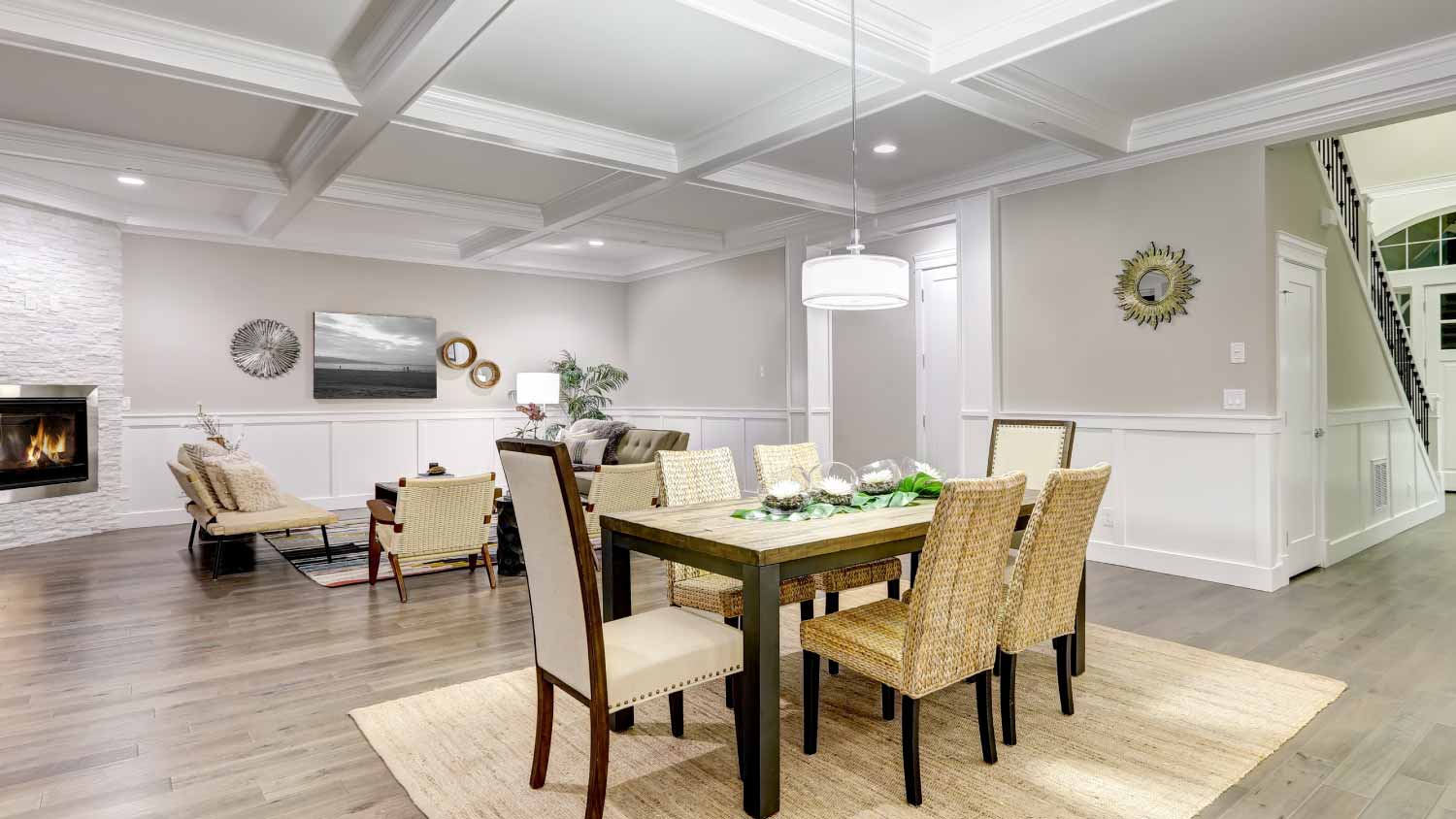
The eye-catching character of a coffered ceiling can really set your room design apart. This guide breaks down coffered ceiling costs to help you budget.
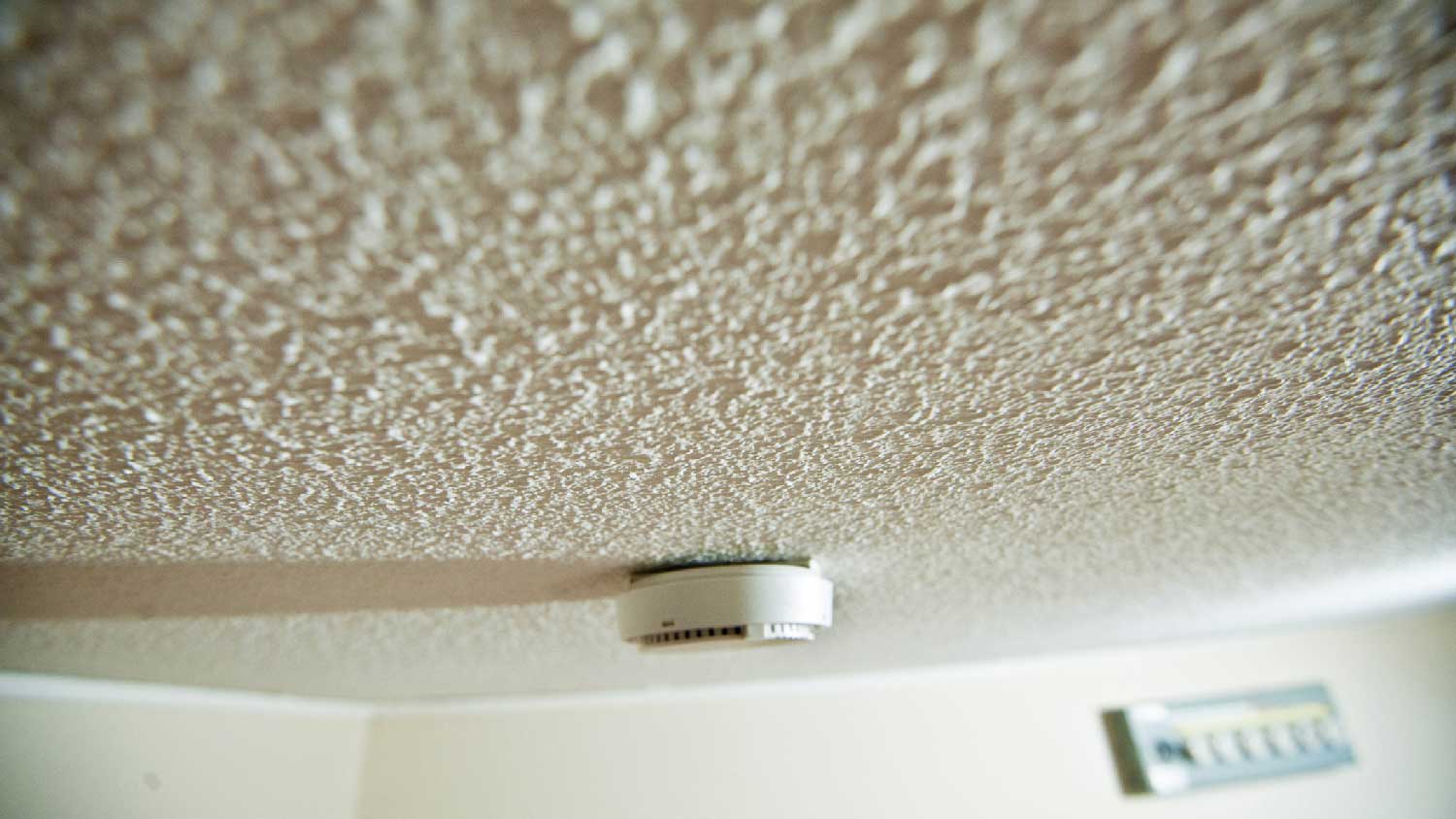
Learn how to hire a popcorn ceiling removal contractor. Find qualified pros, questions to ask, and what to expect for a smooth, safe project.
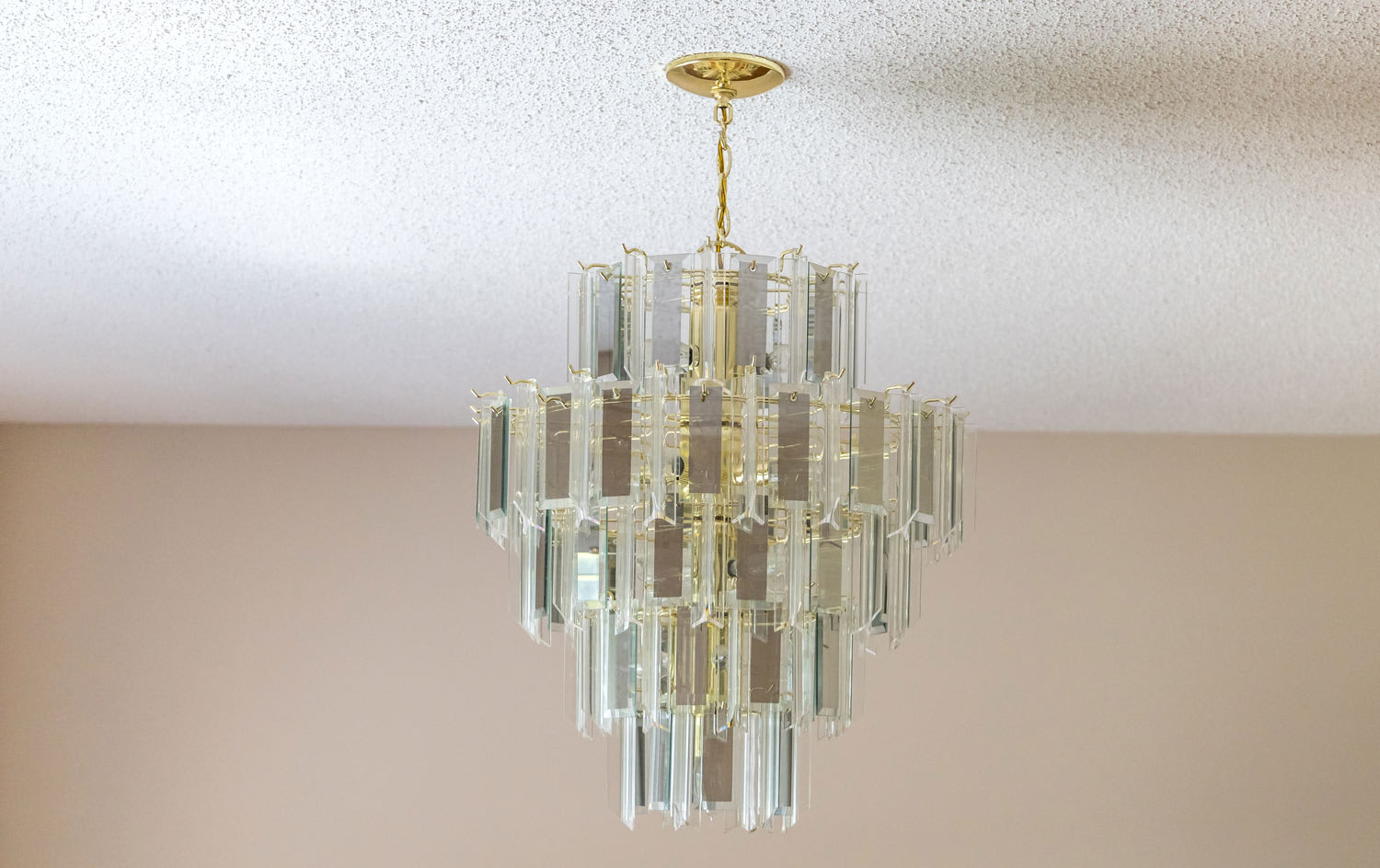
Wondering who you should hire to remove an ugly popcorn ceiling? We’ve got you covered with the best pros for the job, and whether to DIY this project.
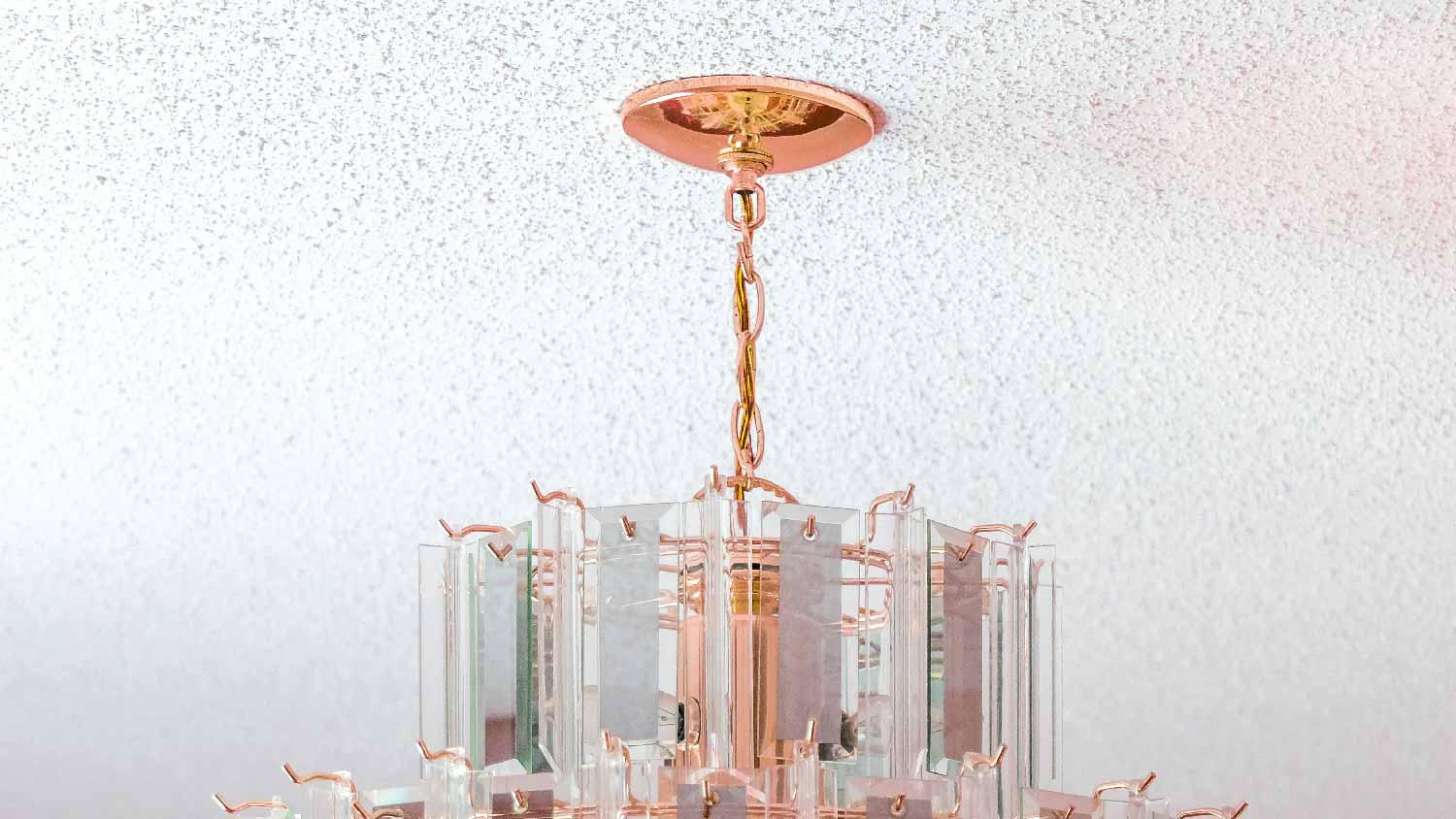
Textured ceilings have long fallen out of fashion, but does removing a popcorn ceiling increase home value? The ROI depends on several factors.