






Top-rated drywall pros.

Best drywall pros near Des Arc, AR

Enter your zip and get matched with up to 5 pros

Need a pro for your drywall service project in Des Arc, AR?

Select your specific project to find the pro for you.

Top-Rated Drywall pros in Des Arc - Updated Nov 2026

Avatar for Williams Home Solutions
Williams Home Solutions
4.9(
35
)
Drywall - Repair

Serving Des Arc, AR and surrounding areas

Approved

In business since 2021

Free estimates

Credit card accepted

"Very professional and knowledgeable about the pros and cons of different door materials. Was true to his word for getting me the information I need."
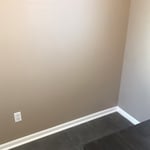
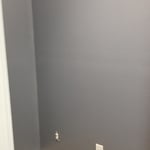
Our work
Our work
Our work
Our work
Our work

+10

Response time2 days
17 neighbors recently requested a quote
Recommended by88%of homeowners

Avatar for All Star Handyman
All Star Handyman
4.7(
14
)
Drywall - InstallDrywall - Install - For BusinessDrywall - Repair+1 more

Serving Des Arc, AR and surrounding areas

In business since 2005

Free estimates

Emergency services offered

"Rubio Drywallers were there the same day. Came at 8:00 at night and did the patch, taping and mudding. They came back the next day and did the sanding and painting. They did a fantastic job. Very professional, fast and extremely talented."
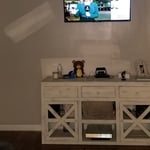
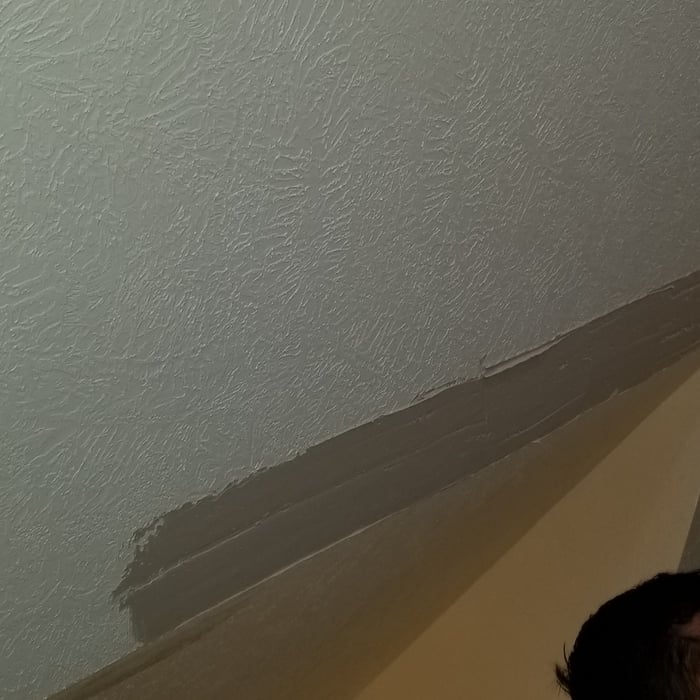
Storage
Kitchen Patch
Basement
TV Mount
Repair 45 Degree Tape On Ceiling

+294

Recommended by100%of homeowners
V&M Drywall LLC
5.0(
4
)
Drywall - InstallDrywall - Repair - For Business

Serving Des Arc, AR and surrounding areas

In business since 1990

Free estimates

Credit card accepted

We are committed to excellence in every aspect of our business. We uphold a standard of integrity bound by fairness, honesty, and personal responsibility. Our distinction is the quality of service we bring to our customers. Accurate knowledge of our trade combined with ability is what makes us true professionals. Above all, we are watchful of our customers' interests, and make their concerns the basis of our business.

Response time10 hrs
Recommended by75%of homeowners
...
Showing 1-10 of 69
Drywall FAQs, answered by experts

Plastering and skimming are two different techniques for finishing walls. Plastering involves applying a thick layer of a plaster mixture—typically containing gypsum, lime, cement, sand, and water—to create a new surface. This process often requires multiple coats and is used for repairing significant damage or creating decorative textures. Skimming, on the other hand, is a technique that involves applying a thin layer of drywall compound or joint compound over an existing surface to smooth it out, covering minor imperfections, small cracks, or uneven textures for a polished look. Plastering is generally more costly and labor-intensive than skimming. Although some people use the terms interchangeably, they refer to different processes and materials.

Whether a drywall anchor can be reused depends on its material, type, and the method of removal. Plastic anchors, including expansion and self-drilling types, are generally designed for single use as they tend to break or deform upon removal. Metal anchors, such as toggle bolts, are more durable and may be reusable if they are not damaged during extraction. However, with toggle bolts, the toggle piece can fall into the wall cavity when the bolt is removed, making it difficult to retrieve. If an anchor is damaged during removal, for instance by having its head cut off, it cannot be reused regardless of the material.

You can put drywall mud over paint to even out the surface or entirely resurface it. Sand the surface with 280-grit sandpaper, vacuum the debris and dust with a shop vac, and clean it with a slightly damp cloth. Allow the surface to dry. Apply drywall primer, especially if you’re skim-coating an entire wall. Apply the right type of drywall mud over the surface and smooth it with a trowel. Allow the layer to cure fully, then sand it before applying another layer or painting it.

Yes, walls on the top floor can be load-bearing if stacked on the floor’s foundation.

Yes, you can apply new plaster over an existing plaster surface, such as a wall or ceiling, provided the old plaster is in good condition. Before you begin, check the stability of the existing plaster. The surface must be clean, free of loose material, and have no peeling paint. It is also recommended to roughen the surface slightly to promote adhesion. For older plaster, applying a base coat like a PVA emulsion or a specific bonding agent or primer is crucial. This step makes the existing plaster less porous and ensures the new and old layers adhere properly for a smooth, long-lasting finish.

The Des Arc, AR homeowners’ guide to drywall services

From average costs to expert advice, get all the answers you need to get your job done.