




Top-rated drywall pros.

Get matched with top drywall pros in Hazen, AR

Enter your zip and get matched with up to 5 pros

Need a pro for your drywall service project in Hazen, AR?

Select your specific project to find the pro for you.

Find Drywall pros in Hazen

Avatar for All Star Handyman
All Star Handyman
4.7(
14
)

Serving Hazen, AR and surrounding areas

In business since 2005

Free estimates

Emergency services offered

"Rubio Drywallers were there the same day. Came at 8:00 at night and did the patch, taping and mudding. They came back the next day and did the sanding and painting. They did a fantastic job. Very professional, fast and extremely talented."
Storage
Kitchen Patch
Basement
TV Mount
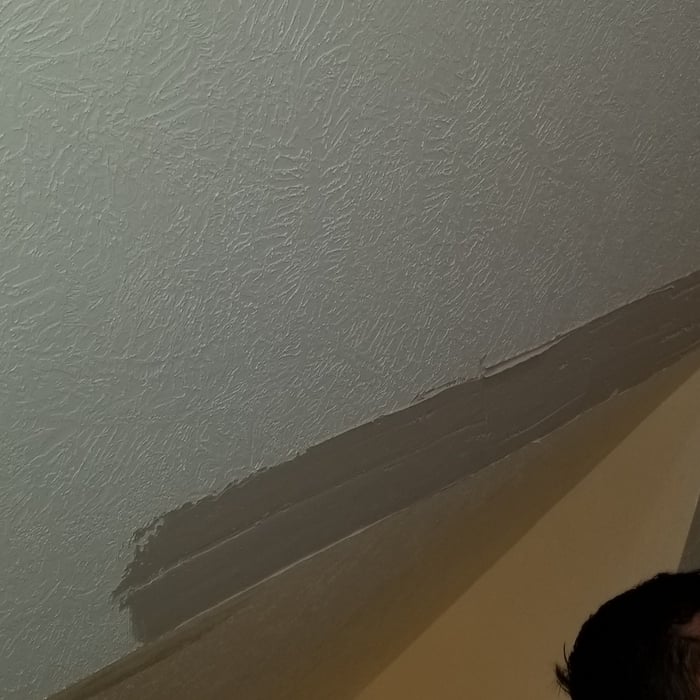
Repair 45 Degree Tape On Ceiling

+294

Recommended by100%of homeowners
V&M Drywall LLC
5.0(
4
)

Serving Hazen, AR and surrounding areas

In business since 1990

Free estimates

Credit card accepted

We are committed to excellence in every aspect of our business. We uphold a standard of integrity bound by fairness, honesty, and personal responsibility. Our distinction is the quality of service we bring to our customers. Accurate knowledge of our trade combined with ability is what makes us true professionals. Above all, we are watchful of our customers' interests, and make their concerns the basis of our business.

Response time10 hrs
Recommended by75%of homeowners
Avatar for THE O'KIRBYS L.L.C.
THE O'KIRBYS L.L.C.
5.0(
11
)

Serving Hazen, AR and surrounding areas

In business since 2024

Free estimates

Warranties offered

Thank you for visiting THE O'KIRBYS L.L.C. We are your locally owned and operated general contractor based in Beebe, AR. We service residential clients throughout the state of Arkansas. Contact us now for your free estimate--we look forward to working with you soon!

Response time1 day
Recommended by72%of homeowners
...
Showing 1-10 of 58
Drywall questions, answered by experts

Whether you need drywall anchors depends on your specific project, particularly where you are hanging an item. Drywall anchors are not necessary if you can drive a screw directly into a wooden stud behind the wall, as the stud provides sufficient support. However, since studs are not present everywhere in a wall, you will need to use drywall anchors if you are hanging an object in a location without a stud. For very lightweight items, picture hanging strips can also be a suitable alternative.

Metal corners, often referred to as corner beads for square corners, are used on drywall installations to provide structural reinforcement to vulnerable outside corners. Their usage safeguards against chipping, denting, or other forms of damage, enhancing the overall durability of the wall. Metal corners also offer a precise and straight edge that facilitates sharp and clean lines, crucial for achieving a polished and professional finish.

When sanding drywall mud, you’re going to create a very fine dust that may contain silica. Silica dust contains crystalline silica, which can cause long-term illnesses for people who inhale it in significant quantities. Wear a mask while sanding drywall. Then dampen a drywall sponge to wipe the dust off the drywall, helping to reduce the amount of dust that may become airborne.

Whether you can reuse a drywall anchor depends on its type, material, and how it is removed. Plastic anchors, such as expansion or self-drilling types, are generally considered single-use because they are designed to expand and are likely to break or become deformed upon removal. Metal anchors, like toggle bolts, are more durable and can often be reused if they are not damaged during extraction. However, with toggle bolts, the toggle mechanism can fall inside the wall when the bolt is removed, making it difficult to retrieve. If an anchor is damaged or must be cut for removal, it cannot be reused regardless of its material.

Although they have similar applications, spackle and joint compound are not the same. Their primary differences lie in their composition, consistency, and ideal use cases.

Spackle is composed of gypsum and binding agents, making it thicker than joint compound. It dries quickly and is easy to sand, which makes it ideal for small wall repair projects like filling nail holes or patching minor damage.

Joint compound, also known as drywall mud, consists of limestone and gypsum. It is primarily used for large-scale projects, such as taping and finishing the seams on newly installed drywall. It tends to shrink more than spackle and can be more difficult to spread.

While both products can be used to fill small depressions and cracks, spackle cannot replace joint compound for taping and mudding new drywall. Conversely, you can often use joint compound for small patching jobs typically done with spackle.

The Hazen, AR homeowners’ guide to drywall services

From average costs to expert advice, get all the answers you need to get your job done.