




Top-rated drywall pros.

Get matched with top drywall pros in Kensett, AR

Enter your zip and get matched with up to 5 pros

Need a pro for your drywall service project in Kensett, AR?

Select your specific project to find the pro for you.

Find Drywall pros in Kensett

...
Showing 1-10 of 90
Drywall questions, answered by experts

While a normal moisture level for drywall is between 5% and 12%, replacement is recommended if you get consistent readings above 17%. At this level, the drywall is likely too compromised by extensive moisture damage to be considered safe. You can replace either the entire sheet or just the affected section. If you are unsure after a visual inspection, it is best to have a contractor or water restoration provider use a professional moisture meter to get an accurate reading.

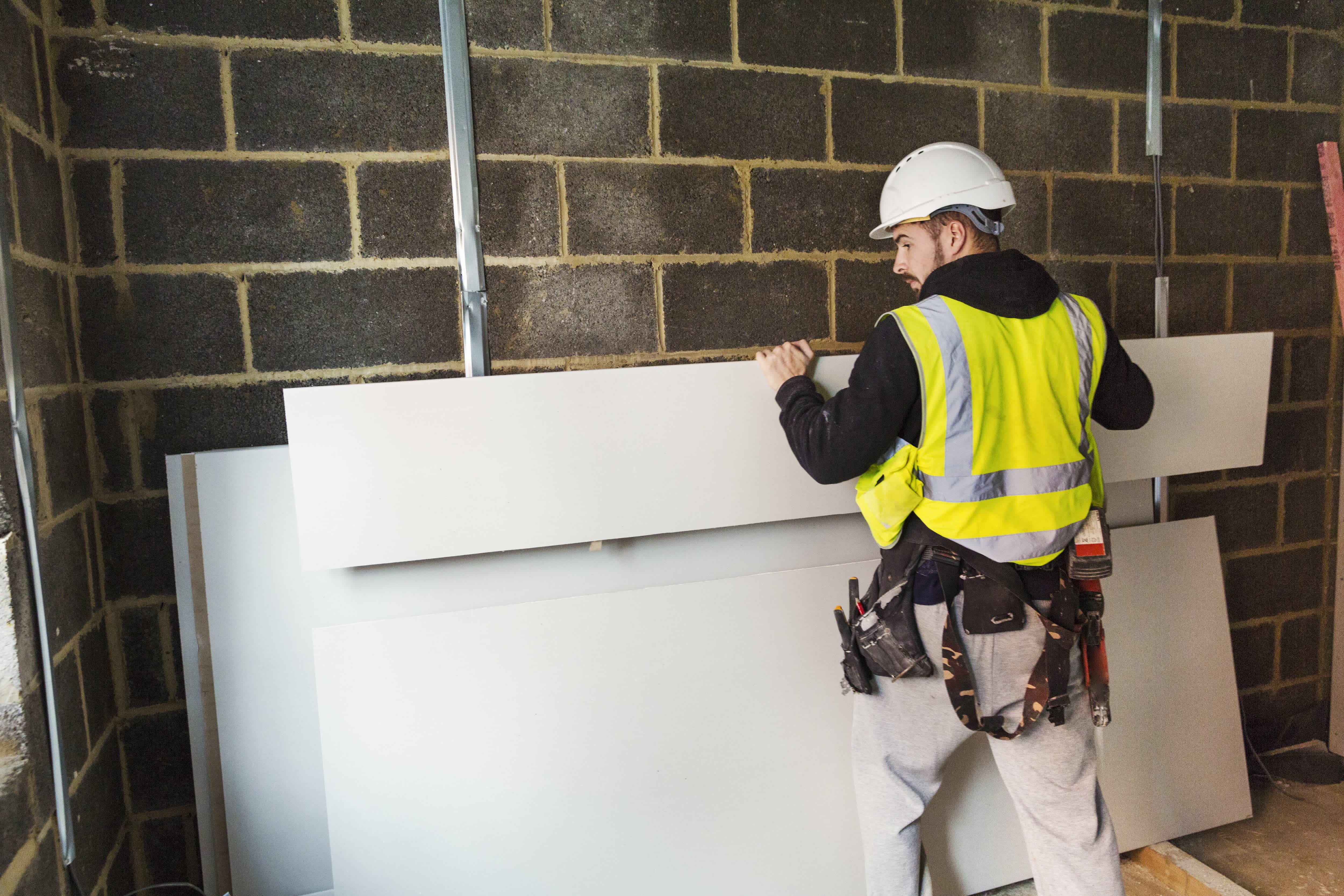
Whether it’s better to screw or glue drywall depends on your specific budget and project timeline. Professional drywall installers are more likely to use screws and fasteners than adhesives, but it takes longer. But if you are DIYing your drywall installation, glue is a perfectly fine choice if you’re willing to pay extra for adhesive.

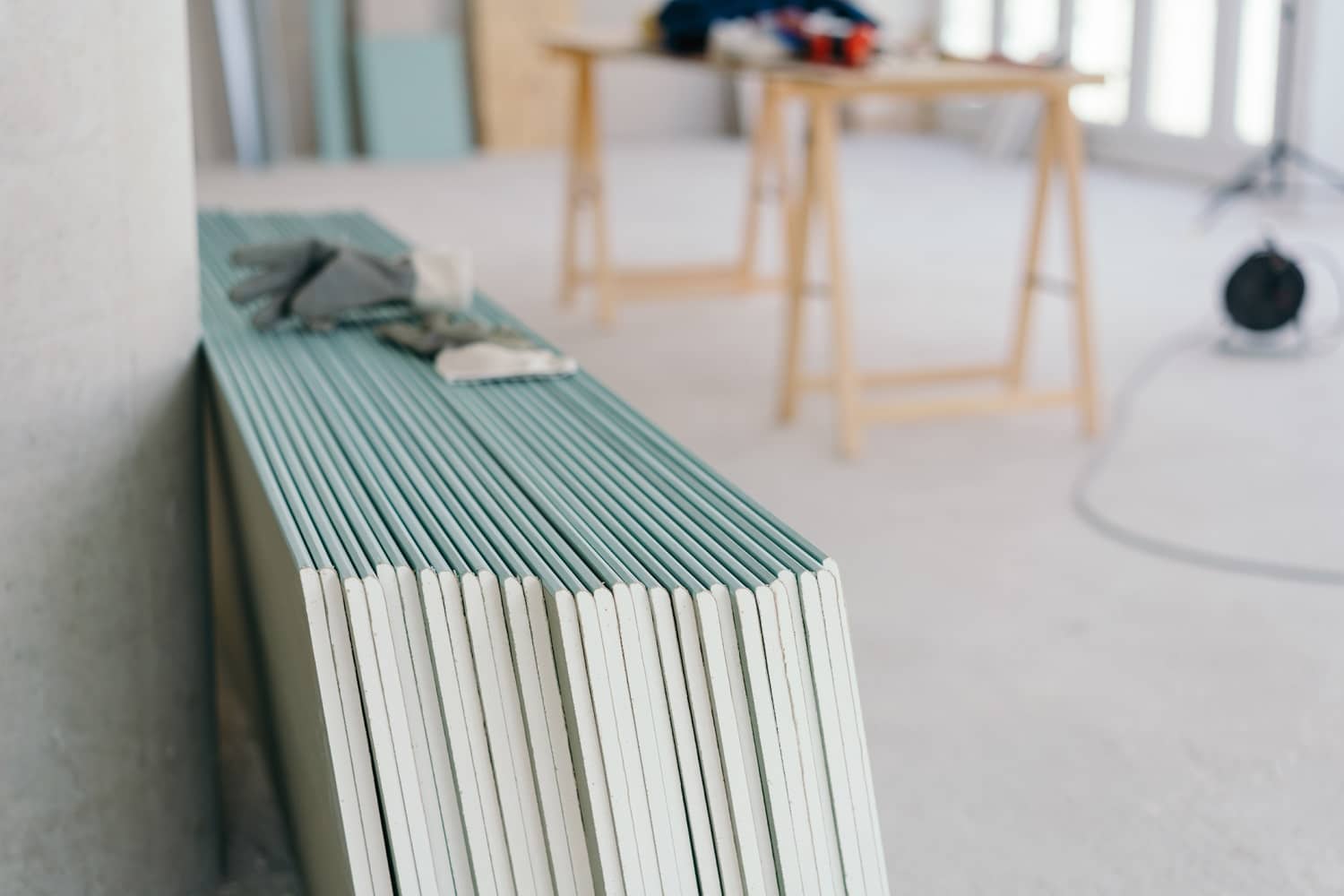
The amount of drywall you need for a 1,000-square-foot basement depends on the ceiling height, angles, number of doors and windows, and more. To find the wall square footage, multiply the width and height of each wall, minus any gaps from windows or doors, and add the totals together. You’ll also need enough drywood nails or screws to install the drywall correctly.

Although they have similar applications, spackle and joint compound are not the same. Their primary differences lie in their composition, consistency, and ideal use cases.

Spackle is composed of gypsum and binding agents, making it thicker than joint compound. It dries quickly and is easy to sand, which makes it ideal for small wall repair projects like filling nail holes or patching minor damage.

Joint compound, also known as drywall mud, consists of limestone and gypsum. It is primarily used for large-scale projects, such as taping and finishing the seams on newly installed drywall. It tends to shrink more than spackle and can be more difficult to spread.

While both products can be used to fill small depressions and cracks, spackle cannot replace joint compound for taping and mudding new drywall. Conversely, you can often use joint compound for small patching jobs typically done with spackle.

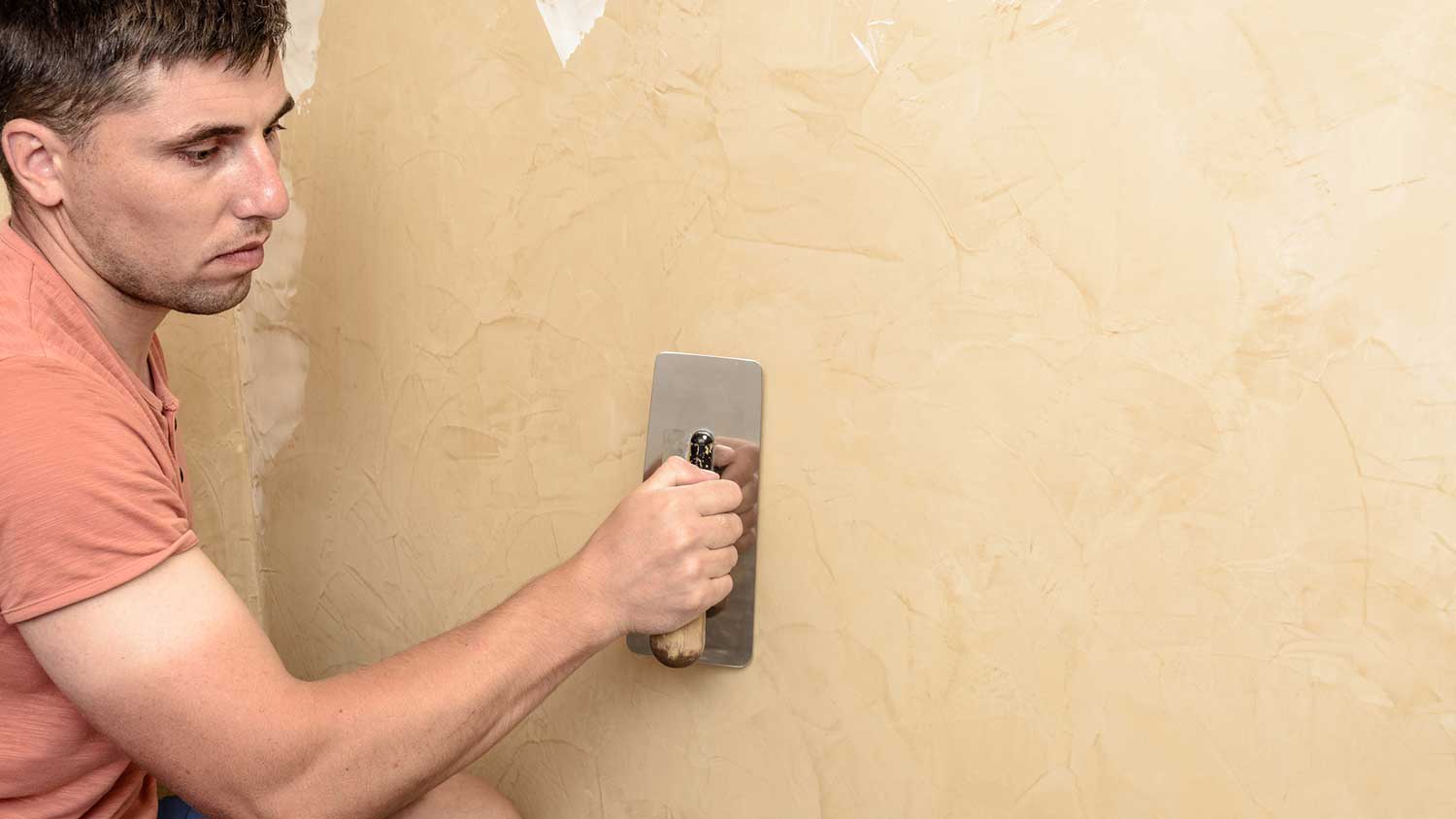
Drywall texture refers to the techniques used on the surface of drywall to create a pleasing visual or tactile effect. Depending on your desired outcome, drywall texture can range from incredibly subtle to a focal point of a room. Textures play a significant role in interior design and are an excellent and relatively cost-effective way to change the feeling of a room.

The Kensett, AR homeowners’ guide to drywall services

From average costs to expert advice, get all the answers you need to get your job done.