

The cost of plastering walls and ceilings depends on the room size and ceiling height. Our tips can help you estimate an accurate cost.
Drywall service costs depend on your project and location. Check with a local pro for your specific job.

Replacing plaster with drywall costs between $4,000 and $18,000, with demolition running double or triple your drywall installation.
Load-bearing walls require more labor to remove safely, and your plaster's age also affects how long demolition takes for the project.
You should budget for finishing options like smooth finish, spray sand, or Venetian plaster to complete your new drywall walls professionally.
Hiring a local drywall professional handles dust, asbestos, and structural challenges while ensuring code compliance and protecting your property value.
The cost to replace plaster with drywall averages $8,000, but it can range between $4,000 and $18,000. Replacing plaster with drywall isn’t the easiest DIY task. It involves removing an existing wall, evaluating the load-bearing beams, and then putting up a new wall. Afterward, the drywall requires a finish. Those purchasing an older home should think twice about removing plaster as it’s a longer-lasting material.
However, sometimes the plaster is damaged and needs to be removed, or a new homeowner simply wants a change. This involves demolition work and may require two specialized contractors. Read on to learn more about the cost of removing plaster and replacing it with drywall.

While the complexity of the work required doesn’t change much, it's important to remember that every wall in a house is different and will require a different approach. Removing plaster from a load-bearing wall will take much longer than removing it from a non-load-bearing wall. The age of the plaster will also factor into removal time. If you choose to finish the drywall, once it’s installed, you will need additional budget dollars for these materials.
For these reasons, many homeowners contract this work out to a general contractor, demolition team, or drywall installation company. If you're experienced with heavy tools, like sledgehammers and jackhammers, you can do the demolition work yourself, but be aware that damage to a load-bearing wall can cause significant damage to your home. For this reason, we suggest hiring a local drywall installation professional.
Many demolition teams, plaster specialists, and drywall installers will quote your project by the square foot. These are two different quotes, with the demolition cost being double or triple the cost of drywall installation. Like many other DIY projects, there is an economy of scale at play, so increasing the square footage will increase the total cost, but it should decrease the cost per square foot.
The following prices do not include drywall finishing:
| Wall Size (Square Feet) | Price Range |
|---|---|
| 4x8 | $350–$650 |
| 8x8 | $600–$1,050 |
| 10x8 | $720–$1,250 |
| 12x9 | $970–$1,700 |
Removing plaster and installing drywall shouldn't require specialized materials. Drywall is one of the most affordable wall materials available, and removing plaster is mostly elbow grease. We think it’s difficult to save too much money on the materials needed for this project, as they’re fairly basic, and using low-quality materials could lead to low-quality results.
Labor to remove plaster and install drywall takes the lion’s share of the budget. Removing plaster is extremely labor intensive and can often take days for a single wall. You can DIY the demo, but you’ll need to rent specialized tools and commit to the project.
Demo work can also be extremely fun but can wear you out quickly. Remember that you’re removing not just the plaster but also the lath behind it.
Here are some common labor costs associated with removing plaster and adding drywall:
Hourly rate for demolition work: $50–$100
Price per square foot for demolition work: $4–$17
Hourly rate for drywall installation: $50–$100
Price per square foot for drywall installation: $1.50–$3.00
General contractor project rate: $3,000–$18,000

You can get creative with drywall finishes and determine if you want to texture the wall, paint over the drywall, or add an interesting coat on top—maybe Venetian plaster. The least expensive option is to paint the wall, but it will also be the most simplistic. How you finish the drywall is up to you.
The cost table below details the pricing for the finishing only, not the plaster removal or drywall installation:
| Finishing Type | Average Cost (per Square Foot) |
|---|---|
| Primer and paint only | $0.50–$1.00 |
| Smooth finish | $1.00–$1.80 |
| Spray sand | $1.05–$1.20 |
| Venetian plaster | $3.00+ |
It costs anywhere from $3,000 to $18,000 to hire a pro for this project, compared to about a quarter of that cost if you DIY. Despite the cost, we highly recommend hiring a drywall installation pro near you if you need to remove plaster and hang new drywall. This project is extremely messy, labor-intensive, and time-consuming, plus special tools and skills are required to get a seamless result that will meet the standards of potential homebuyers.
Demolishing old plaster and putting up new drywall are two physically demanding and complex tasks. Here’s why you should hire a pro:
Pros are trained and equipped to handle huge amounts of dust and asbestos.
Nearby pros can ensure compliance with local building codes and other regulations.
Pros have the specialized equipment and skills needed to complete the project properly.
All aspects of the project are physically demanding, making DIY mistakes more likely.
Reputable installers offer work guarantees and warranties to protect your investment.
Pros can plan for and safely transport huge amounts of waste without causing damage.
DIY installation can take a month or more of your free time and isn't as efficient.
Experts know how to deal with the challenges of an older home, such as non-level walls.
Pros can deliver a seamless result that increases your property value.
If you want to participate in the process to save time or money overall, focus on handling smaller tasks such as the following:
Preparing the work area before installation begins
Removing furniture, décor, and other personal belongings from the work area
Covering floors with plastic tarps to protect them from fallen dust and debris
Before deciding to invest in a project like this one, including the demolition, drywall installation, finishing, and general contractor rate (if applicable), it’s beneficial to weigh the pros and cons of switching out plaster for new drywall.
If you're purchasing an older home, think twice about replacing—or covering—plaster with drywall. While plaster may seem outdated or high maintenance, it's a longer-lasting material overall.

The following table details the benefits and disadvantages of replacing plaster with drywall.
| Pros | Cons |
|---|---|
| Plaster can have a dated look | Removing plaster can become costly |
| Drywall may be a cost-effective option if plaster repairs are too expensive | Studs can be difficult to find behind plaster |
| Drywall has a clean, modern look | Plaster lasts longer, is of higher quality, and increases home value |
| It’s convenient to replace plaster if you’re also taking down walls to replace plumbing and electrical | It’s difficult to install drywall in an older home where walls and floors aren’t level |
| Plaster can contain asbestos, complicating removal |
If the pros outweigh the cons for your project, then replacing your plaster with drywall may be worth the cost. However, if your plaster walls are in good condition and the plumbing and electrical are in good shape, you can save money by not changing them out. Keep in mind that plaster walls are thicker, more durable, a better insulator of sound and temperature, and more resistant to water than drywall.

The cost of drywall installation doesn’t vary too much, as the materials are already fairly inexpensive, and even professional drywall installation is reasonably priced. Some tips to help you reduce your overall project costs include:
Negotiate the estimate with your contractor.
See if you can work alongside your contractor to save on labor costs.
Expand the project to include more space to save on the price per square foot.
Finish the drywall yourself.
Be prepared to discuss the specific types of drywall you're interested in installing, such as soundproof, waterproof, or fire-resistant.
Discuss with a pro other improvements you'd like to make while your walls are down, such as plumbing, electrical, or insulation.
Have a clear idea of your budget, timeline, and other project requirements.
Home is the most important place on earth, which is why Angi has helped more than 150 million homeowners transform their houses into homes they adore. To help homeowners with their next project, Angi provides readers with the most accurate cost data and upholds strict editorial standards. We extensively research project costs to develop the pricing data you see, so you can make the best decisions for you and your home. We rely on reputable sources, including the U.S. Bureau of Labor Statistics, academic journals, market studies, and interviews with industry experts—all to ensure our prices reflect real-world projects.
Want to help us improve our cost data? Send us a recent project quote to [email protected]. Quotes and personal information will not be shared publicly.
Cancelled appointment two hours after they were supposed to come for drywall work.
 Hutch And Sons Drywall Services
Cole has been handling plumbing and general contracting for our four properties over the past three years, and he’s always done a great job. Most recently, he installed a sink and countertop in our retail store where none existed before, and it turned out exactly how we needed. He’s...
 ANB Renovations LLC
I would recommend this company to anyone! He showed up on time, was friendly, completed a very difficult repair on our dryer vent cover, was responsive, and pricing was extremely fair and competitive. I would have him back to do any of our repairs or cleanings without hesitation!
 U.S.A. Dryer Vent, LLC
I cant stop admiring my newly painted walls. Custom Paint Jobs LLC made my house feel brand new.
 Custom Paint Jobs, LLC
Excellent experience with hiring Tether House to Mount our 77’ Samsung TV in our bedroom. Fast, friendly, and knowledgeable. Highly recommend.
 Tether House
Excellent customer service and knowledge. I was recommend to him from my neighbour. My front door and window came in great and were installed beautifully perfectly, I m very satisfied with their excellent work, so decided to order one more big bow window for my living room. I cant wait for...
 Window Depot USA of Central Ohio
Would hire again. Wall looks great. Happy with job.
 Central Paving
Involved an extensive bathroom remodel, including removing tub & installing walk in shower, new drywall, custome tile work to ceiling, plumbing, etc. Overall, job was done on time and on budget. Nick & his team were very professional and had high attention to detail. Quality was great. Highly...
 Stamos Flooring and Remodeling LLC
We have had a great experience with Rising Height for the past five years on a number of miscellaneous renovation projects. They laid flooring for us and had a very good sub do the finish. Installed drywall for a vaulted ceiling, finished an attic/loft with new subfloor, framing and drywall,...
 Rising Height Unlimited
Mr. Lopez was super nice and professional. He repaired our drywall just as he described during the estimate phase. Our dining room wall looks great again! Thanks Mr. Lopez!
From average costs to expert advice, get all the answers you need to get your job done.
The cost of plastering walls and ceilings depends on the room size and ceiling height. Our tips can help you estimate an accurate cost.
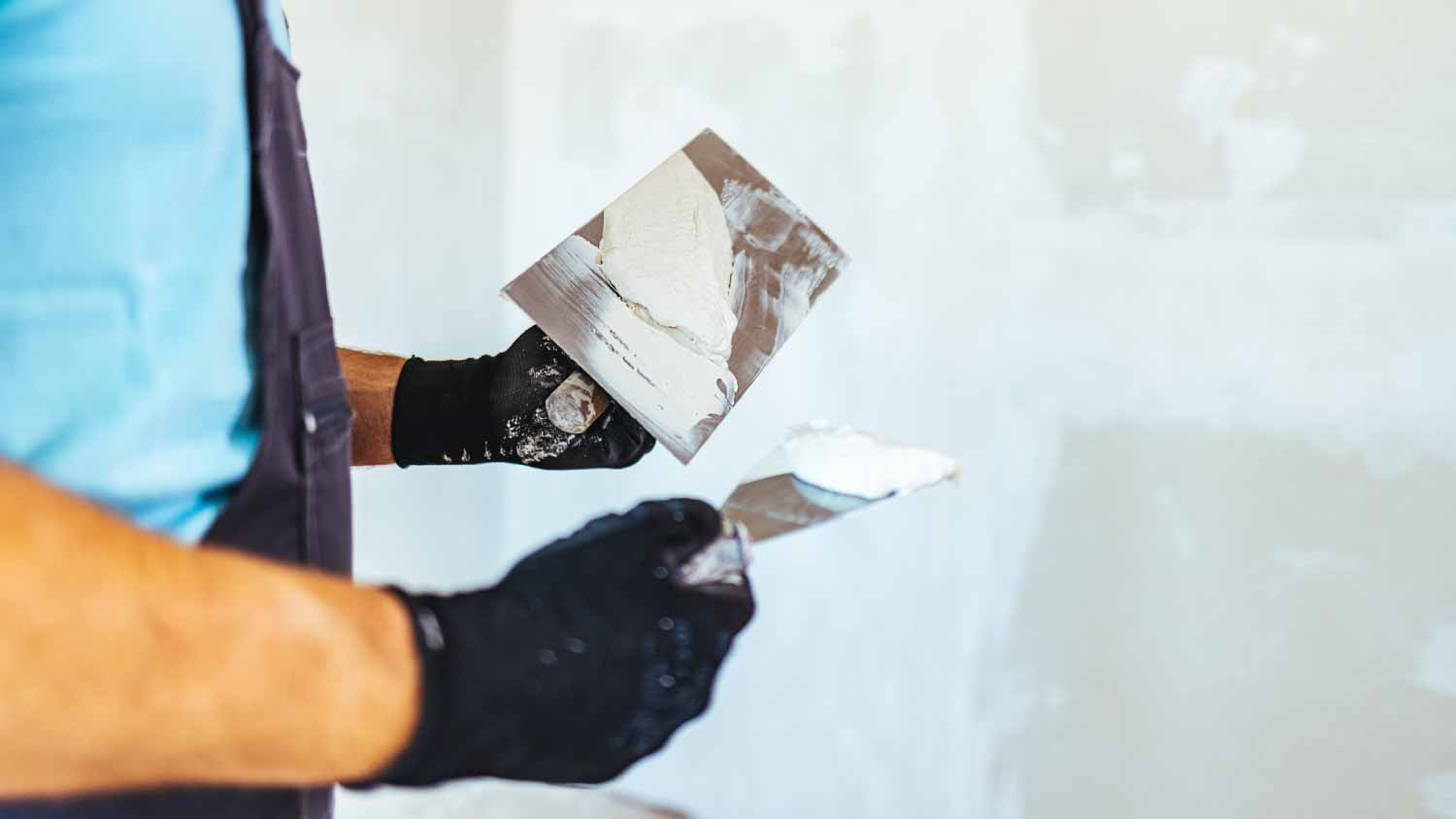
Plaster repair costs are determined by the size and type of damage. Discover why some fixes you can DIY and why some require a pro’s help.
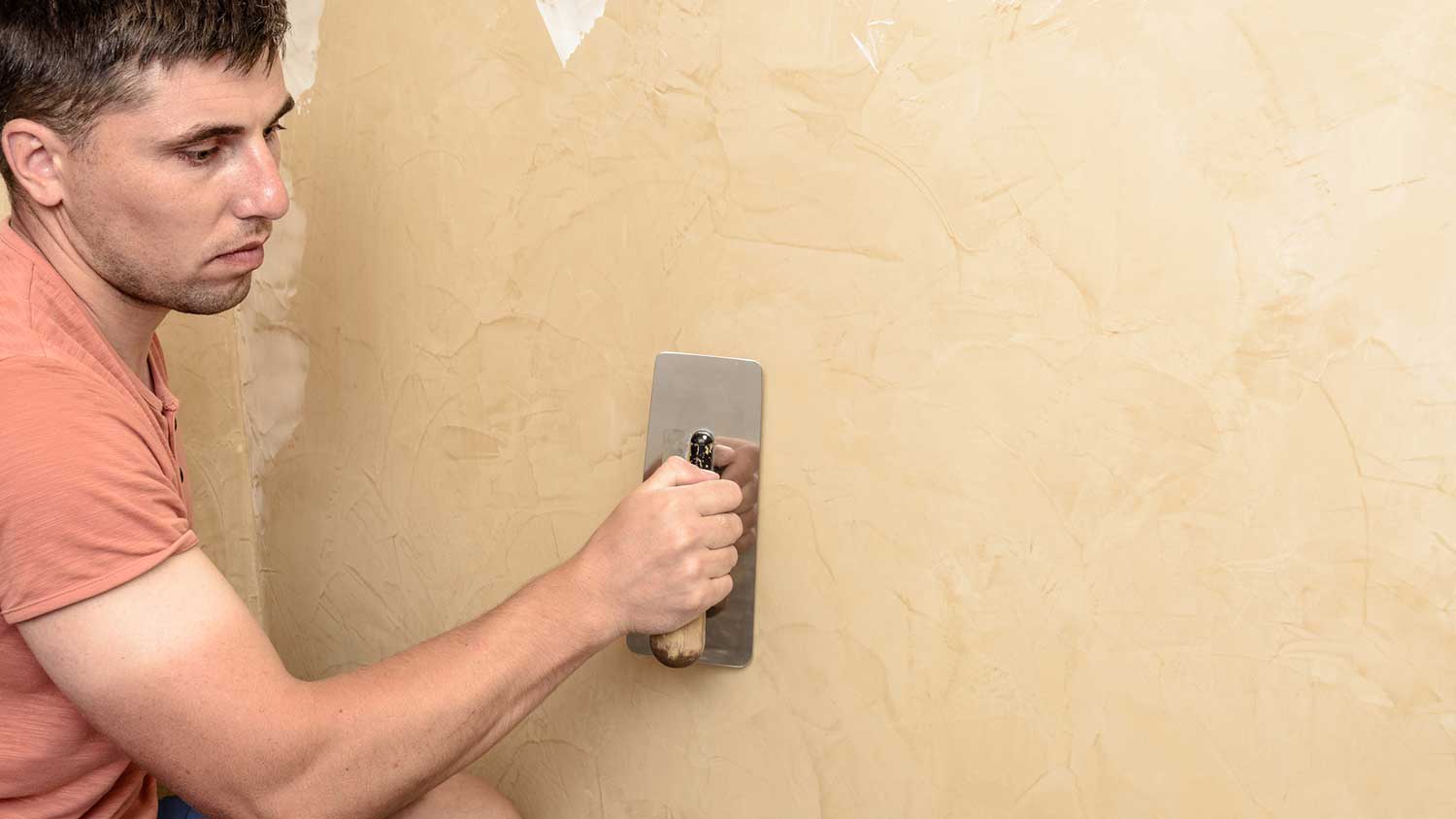
Drywall texture can create an attractive finish and add dimension to your home’s walls. This guide breaks down the factors that influence the cost to texture drywall.

If you purchased an older home, you may be wondering, can you drywall over plaster? You can, but our tips will show why you may not want to do it just yet.
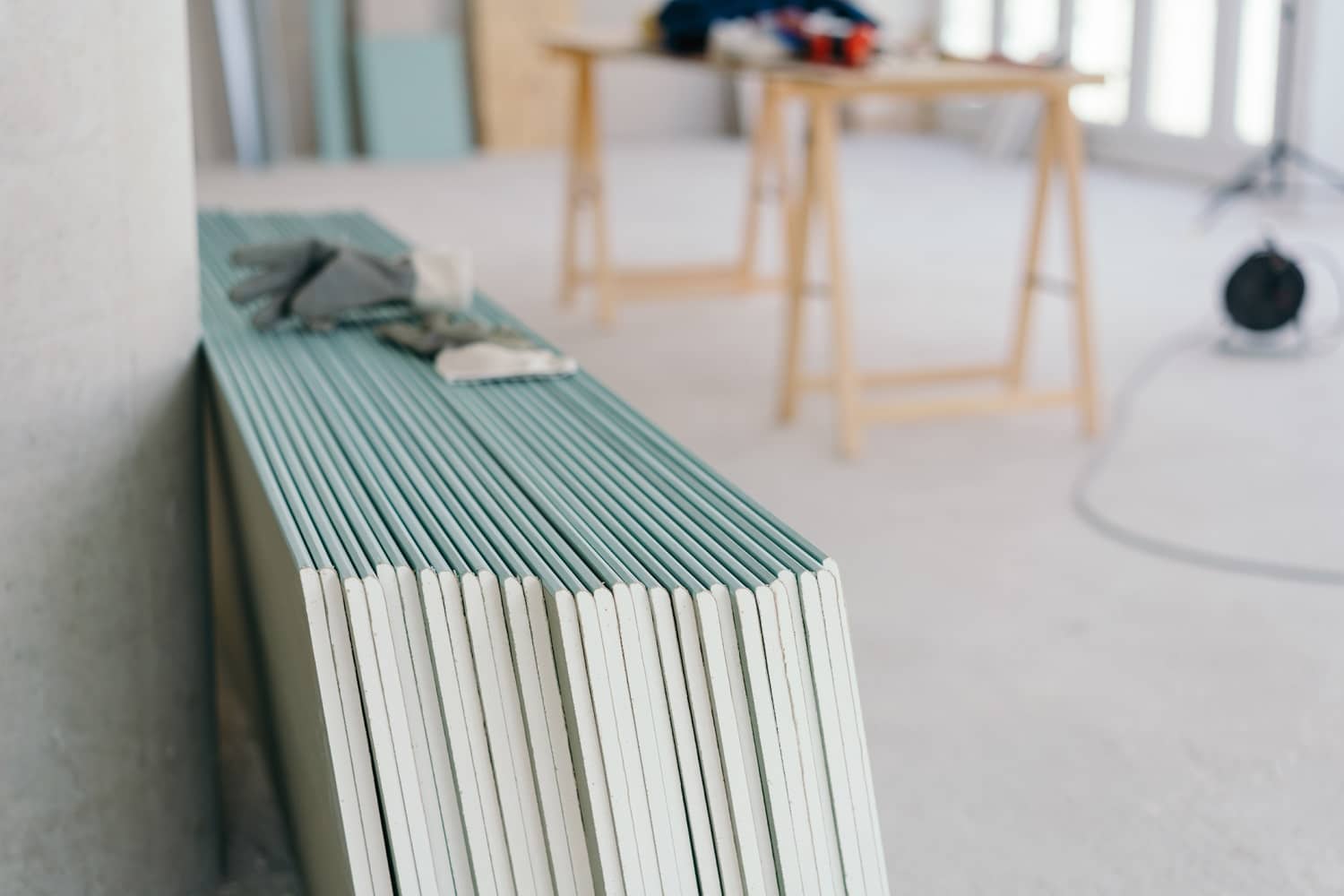
Understanding the plaster vs. drywall debate is key to giving your home’s walls the perfect finish. Learn more about the pros, cons, and costs with our advice.
You can find plaster walls in a lot of older homes. What’s behind these walls—whether that’s lath or calcimine—can have an impact on how long they last. Finding out the age of your house can help you determine what you’re dealing with.