
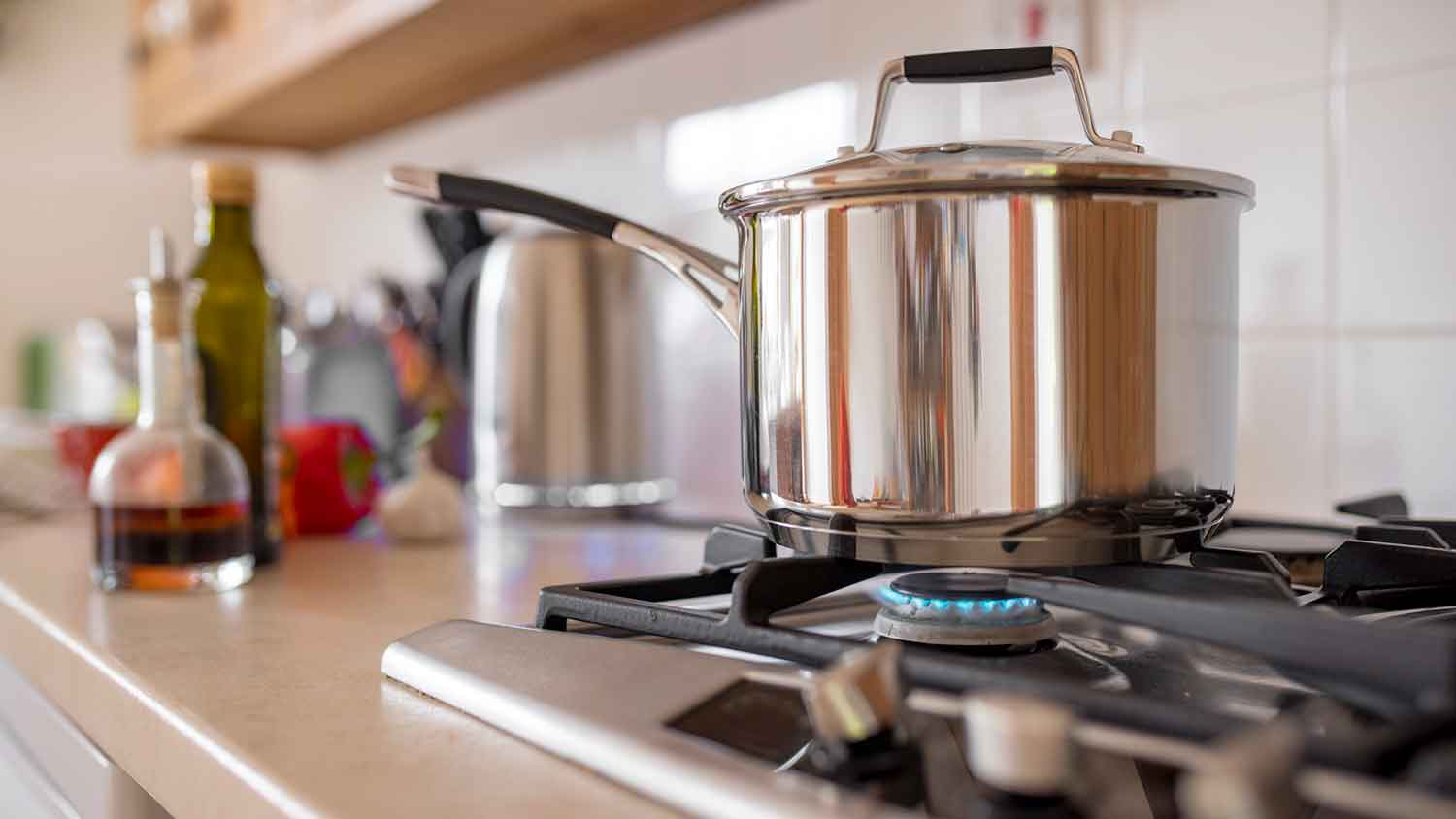
Find costs to repair a gas line and plan your budget based on the problem, from excavating for a new line to making a minor repair to an existing one.
Learn the ins and outs of gas lines

Gas lines are the pipes that carry natural gas from the outdoor supply system into your home, where branch lines deliver it to individual appliances.
Expect to pay $120 to $1,350 for a new gas line installation, with average costs around $536, depending on your piping length and material.
If you smell rotten eggs or notice dead vegetation near your gas line, leave your home immediately and call your gas company for a pressure test.
Hiring a local electrical professional ensures your corrugated stainless steel piping is properly grounded, protecting your home from lightning-related fire hazards during storms.
Gas can power many things in our home, yet most of us don’t give the pipes that distribute it a second thought. Read on to understand exterior and interior gas lines, pipe materials, gas leaks, and the basics of installing a new gas line.
Gas lines, also called gas piping, are the pipes that bring natural gas from the outdoor supply system into your home and heating system.
There are two types of gas lines in your home:
Branch lines: Lines that run from your home’s mainline to individual appliances that run on natural gas.
Drop lines: Vertical pipes that use pressure to deliver gas directly to your appliances.
Each time you use your gas stove or take a hot shower, you’re benefiting from the vast natural gas distribution system. Before the odorless fuel clicks your stove’s burner on, it’s likely traveled thousands of miles through a vast network of pipes. Further away from your home, natural gas transmits at higher pressures and speeds through larger pipes. When it comes closer to your home, it travels at lower pressures and speeds through smaller pipes.
Where the main gas line meets with your home’s gas line and inward is called a service line. Basically, the gas company is responsible for the line up until your gas meter (which you can typically find behind or directly next to your home). From the gas meter on, the onus is on you. The larger, main gas line in your home typically begins in your attic. From there, gas flows to a network of smaller lines. These lines run behind the walls and transport gas to each gas-powered appliance, whether it’s your gas stove, gas fireplace, water heater, furnace, or pool heater.
If your home runs on propane rather than natural gas, the system works similarly. However, instead of gas flowing from the street, it will come from propane tanks located on your property.

The material your gas pipes are made of depends on when your home was built, where you live, and the professionals who originally installed them.
The most common piping materials include:
PVC
Black iron
Corrugated stainless steel
Galvanized steel
HDPE
Copper
PVC piping is generally used for exterior, underground gas lines. This type of piping is inexpensive and durable but isn’t a good fit for all regions, as it’s more likely than other piping types to break during the installation process.
If your home was built before the mid-to-late 1970s, your exterior gas line is likely made of black iron. Unfortunately, moisture in the soil may eventually cause this type of piping to corrode, causing leaks. If you have this type of exterior gas line, there’s a good chance it’s worth replacing (more on that below).
Corrugated stainless steel is used for indoor gas piping and is considered a good fit for homes in regions that are prone to natural disasters. This sort of piping tends to be resistant to damage but is prone to cracking over time and needs more regular repair than other types of gas pipes.
This material can also be a fire hazard in a lightning storm if it’s not properly grounded. To determine whether your gas pipes are CSST, look in your attic, basement, or crawl space for flexible tubing with a yellow plastic coating.
Also, seek out these brand names: Titeflex, Ward, OmegaFlex, or Parker Hannifin. If you have CSST pipes, consider calling an electrician near you to make sure they’re correctly grounded.
Galvanized steel piping is most commonly found in older homes and was often used for both interior and exterior lines. This type of piping is durable and energy-efficient, but it’s not usually used in new construction or when replacing piping because it is much more labor-intensive to install than other types.
HDPE piping is similar to PVC piping in that it’s more affordable than other piping types, flexible, and a common choice for outdoor lines. Like PVC, HDPE can also be damaged by underground hazards and need more regular maintenance.
Copper piping is becoming less common—in fact, many cities and counties no longer allow it. Copper lasts around 20 years so, if you have copper piping, it will likely need to be replaced with something different at the end of its lifespan.
If you have an interior gas leak, you’ll likely smell rotten eggs and notice other signs that things aren’t quite right with your gas appliances. If you have an exterior line leak, you may notice dead vegetation or condensation on the windows closest to the damaged plumbing.
If you suspect your gas line is leaking inside, leave your home and immediately call your gas company. They’ll run a pressure test to determine whether you have a leak. Then, either they or a gas plumber can fix any leaks. When looking for the best gas plumbers, make sure they’re licensed to work on and install gas lines. In many cases, when there’s a gas leak inside the house, your plumber might only need to repair the small gas line to one appliance.
Your gas company or a gas plumber can install a new gas line, complete with a gas meter and main shut-off valve. The average cost of a new gas line is $536, ranging from $120 to $1,350. This amount tends to be calculated per linear foot and will increase depending on the length and type of piping. Plus, the more turns the piping needs to take, the higher the price, thanks to more fittings and thread sealant. Drywall and ground excavation will also jack up the price. Laying a new propane line is cheaper than installing a new natural gas line, as propane tanks tend to be closer to appliances, meaning less piping is required.
Positive experience. As previously stated, the replacement/repair could not be completed (no fault of the plumbing tech) b/c misinformation was rec?d by property management maintenance. Thanks to the plumbing tech for your efforts. Appreciate you!
 The Waterworks
Carpet repair done well. Scheduling was easy. Showed up on time.
 BR Flooring Installation
As usual with ECO, tech Jordan was outstanding, very professional, very knowledgeable, and very thorough with repairs made to tankless water heaters. Very highly recommend ECO!!!
 Eco Plumbers, Electricians, and HVAC Technicians
I would recommend this company to anyone! He showed up on time, was friendly, completed a very difficult repair on our dryer vent cover, was responsive, and pricing was extremely fair and competitive. I would have him back to do any of our repairs or cleanings without hesitation!
 U.S.A. Dryer Vent, LLC
Everything from initial contact to completion was absolutely top notch. We contacted the business during off hours to leave a message, and the owner still reached out to feel out the issue within minutes. We were scheduled and repaired within 48 hours. I cannot say enough about the...
 Supreme brick & chimney
This place took $25,000 for a flat roof job with a five-year warranty and never returned to fix the leaks that were caused by their work. These people are not professionals and should not be doing this type of work. They incorrectly changed the pitch of the roof, and caused more damage than...
Ace Fireplace Services came to the rescue for my chimney repair. They were quick to pinpoint the issue and worked their magic to fix it. My chimney is now in excellent shape, and I'm a satisfied customer.
 Ace Fireplace Services
On Sunday 2/26 I requested quotes via Angi from 4 refrigerator repair businesses. Northwest Appliance responded to me Monday morning (2/27) and my refrigerator was repaired by noon the same day. Great communication, they did everything they said they would. The technician had the parts on...
When we had the winter freeze, I called Quantum Waterworks Waterline & Drain Cleaning Services and within 1 hour I received an e-mail and he sent someone out the next day and he was on time, he was nice and did the job quickly and cleaned up after himself. We had a leak in our kitchen from...
 Quantum Waterworks Waterline & Drain Cleaning Services, LLC
Great experience all together. Dog friendly, courteous, great results and honest with recommendations. Will certainly be using Cardinal in the future for any carpet repairs
 Cardinal Carpet Care & Repair
From average costs to expert advice, get all the answers you need to get your job done.
Find costs to repair a gas line and plan your budget based on the problem, from excavating for a new line to making a minor repair to an existing one.

Whether it's time for pipe replacement or to hook up the range of your dreams, gas line installation cost is an important line in your budget. Let's take a look.

Making updates to your home? You may need to move your gas line to fuel new appliances or meet code regulations. We’ll cover the cost of moving a gas line, plus project tips.

Smell rotten eggs or hear hissing near your meter? Learn about gas line installation costs, dangerous warning signs, and how to hire a local gas plumber.

Installing a gas line is a job for a licensed plumbing professional. Let’s take a look at who installs gas lines and how much you can expect to pay.
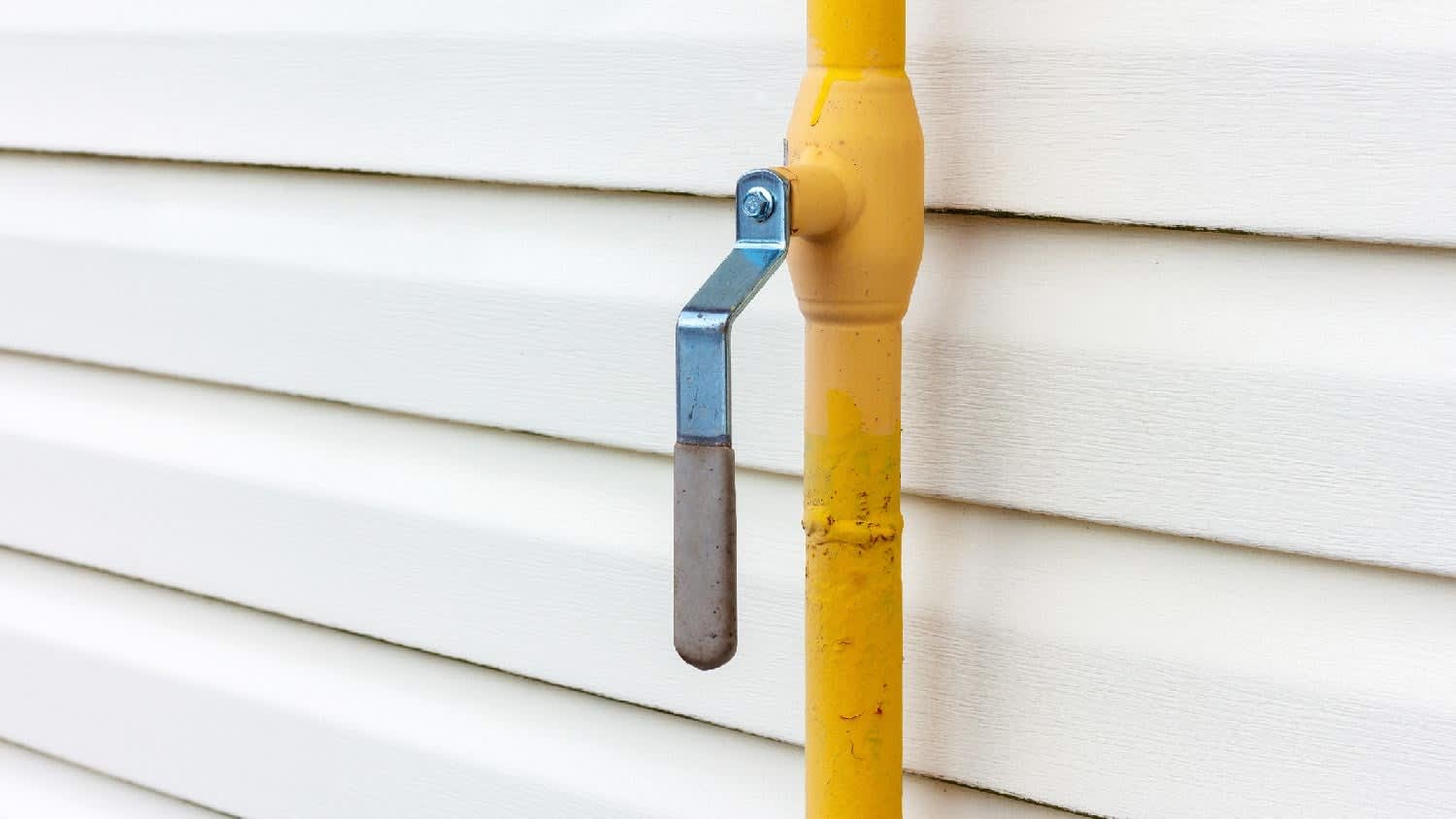
Curious how deep gas lines are buried? We’ve unearthed the answer and the dirt on how far down those lines might be lying in wait.