
A burst pipe is a homeowner’s worst nightmare—but you can get ahead of the potential expense. This guide will help you budget for burst pipe repair costs.
Knowing whether a pipe has burst can save you time and money

A burst pipe releases water quickly into your home or property, and signs like standing water, high water bills, or fluctuating water pressure indicate you need immediate attention.
Typical costs range from $200 to $5,000 for burst pipe repairs, depending on the damage location and whether you need water damage restoration or underground pipe replacement.
Check your water bill for sudden usage spikes, test water pressure at every fixture, and look for water spots on ceilings or walls to confirm a burst pipe in your house.
Hiring a local plumbing repair professional provides reliable support for diagnosing leaks, repairing damaged pipes, and addressing water pressure issues before they cause serious structural damage.
When you think of a burst pipe, you may imagine flooding and dramatic, obvious damage. However, the signs of a burst pipe can be subtle, and they may start to appear before serious damage sets in. Whether you suspect a plumbing issue or simply want to stay on top of home maintenance, use this guide to learn how to tell if a pipe has burst and address the problem accordingly.
Burst plumbing pipes are a nightmare scenario for any homeowner, so learning to know if a pipe burst is essential. Unchecked burst pipes can lead to soaked carpets, ruined drywall, mold growth, appliance damage, and too many nuisances to count.
Contacting a local plumbing repair specialist is a good way to fix the pipes, but the damage to your property already exists. Don’t lose hope. There are some simple ways to check out the integrity of your pipes before a leak evolves into its final form: a dangerous burst pipe.
Here are 10 signs of a burst pipe:
Standing water
High water bills
Unusual sounds or odors
Strange-colored water
Fluctuating water pressure
Wet spots or water stains
Mold
Bubbling paint, peeling wallpaper, or cracks in the wall
Dripping ceiling fixtures
Increase in indoor humidity
The following process only covers some of your plumbing system, as many pipes are hidden behind walls and rest underground. These steps take a more holistic approach to your system, as leaking or burst pipes create issues at numerous points throughout the home. In other words, this is a game of Whac-a-Mole.
Prepare by gathering common tools like a flashlight and screwdriver. Grab some paper and list every bathroom, kitchen, and basement water fixture in your home. Finally, get an accurate list of recent water bills to look for alarming patterns. Now, you’re ready to put on your detective cap and get to work.
Collect water bills for the past several months. If you don’t have paper copies, pull up the last few months via the utility company’s website or dedicated app. You’re looking for sudden and unexplainable increases in usage. Burst pipes release a massive amount of water into your home or surrounding property, leading to higher-than-average bills. Spying a sudden jump in usage is a fairly significant clue that a pipe is damaged.

As indicated on the water bill, spikes in usage often come with shifts in water pressure. If you have a burst pipe somewhere in the system, the water reaches the tap with less pressure than intended. Continue sleuthing by checking every single water fixture in your home, one by one, for signs of a burst pipe.
Remember that a home plumbing system is complex, and only some fixtures will be impacted by a burst pipe. Some may continue to work, while others will struggle. Turn on each fixture and let it run for a few minutes, analyzing the water pressure. Jot down the results of each test, as an emergency plumber near you can easily track the malfunctioning fixture to impacted pipes.
Another obvious sign of burst pipes is water spots on ceilings and walls. These spots are darker than the surrounding area, so break out a flashlight and go throughout the home, checking every ceiling and wall.
However, most homes have a watermark or two, and not all these spots indicate current issues with the pipes. A recently made watermark is cooler and squishier than the surrounding area. Throw on some protective gloves before touching off-colored squishy marks on your ceiling. If the watermarks seem recent, you likely have a burst pipe.

Water rushing through burst pipes is not exactly a quiet affair. Turn off every fixture in the home, including every shower and faucet, and start listening for anything out of the ordinary. Damaged pipes come with a telltale dripping noise.
Jot down where any sounds are coming from and what they sound like. A persistent drip indicates a leaking pipe, but water pipes making a noise like clanging may just be hot water making its way through the system. Tighten any loose fixtures to see if this alleviates any unwanted sounds.
Another simple way to find leaky and burst pipes is to use your nose. Burst pipes can cause a variety of smells in your home, none of which are pleasant. Mold or mildew growing on wet pipes or walls gives off a musty, earthy smell that's hard to miss.
Another problematic plumbing odor is the smell of rotten eggs, which indicates the presence of hydrogen sulfide, a naturally occurring gas that can make its way into your home when there's a sewage leak. Sewage in your water supply is a major health hazard a plumber should address immediately.
Walk throughout the home and use your nose to track down noticeable odors. Jot down the likely source of these odors, including damp areas and possibly damaged pipes.
Whenever pipes burst, microorganisms thrive at the source of the leak. These organisms include mold spores, mildew spores, and other moisture-loving nasties. They thrive in damp, dark areas like the cabinets under your sink or the pipes behind your walls. If mold keeps returning after you clean it, it may be taking advantage of water from a burst pipe to grow.
Once firmly entrenched, the organisms replicate and release weird, funky, and foul odors that are hard to miss. They also tend to be a different color than the surfaces they grow on, making them easy to spot. Look out for any signs of mold growth in your home and call a plumber if you spot them. Fungi like mold take time to develop, so noticeable growth means your pipe has been damaged for a while.
Random puddles near plumbing fixtures are a telltale sign of a water leak or a burst pipe. Start your search with exposed pipes, underneath sinks, and in the basement. Move from there to the upper floors and corners of the bathrooms and kitchen.
Don’t ignore any puddles during this search, as even a small puddle in the basement tucked away from pipes could originate two floors up from the bathroom. Keep an eye out for signs of a hidden bathroom leak. Any unexplained water accumulation in the home likely indicates an issue with a pipe in your plumbing system.

Finally, there’s the tap water itself. When pipes burst in the ground, dirt and other contaminants mix with the water, leading to rust. These rust particles impact your water supply in several ways. It gives the water a brownish tint and a slightly metallic taste and smell.
If the burst pipe is directly connected to the sewage system, you risk even more dangerous contamination. Water with a rotten egg odor can indicate leaking sewage. Use your senses, and if something feels off with the water, do not hesitate to contact a pro. After all, paying the cost to fix a leaking pipe can help you avoid even more costly structural damage to your home.
Several issues can cause a pipe to burst. For example, freezing temperatures below 20 degrees Fahrenheit can cause pipes to burst, as do small leaks that worsen over time. Clogged drains can lead to burst pipes when left unchecked, so you’re at a higher risk if you regularly send foreign materials like food, hair, soap scum, and bathroom products down the drain. Pipes also degrade over time, leading to leaks and bursts.
Some other common causes of a burst pipe include:
Aging pipes
Corrosion
Clogged pipe
Pipe movement or shifts
Increased water pressure
While the 10 signs above can indicate a burst pipe, the problem isn't always that severe. If you notice any signs of a burst pipe on a smaller scale, you may have one or more of these other potential issues.
Plumbers install a watertight seal around all plumbing connections and some appliance parts, such as dishwasher doors. These seals break down as they age, and you may notice puddles in areas where seals have broken.
Clogs in pipes, gutters, and HVAC systems can build up enough over time to cause these systems to overflow or break. When they fail, you may start to notice leaks.
You can prevent clogs by adding strainers to each sink, bathtub, and shower drain. These will keep hair and other debris from creating a pesky clog. If you have a clog, a drain cleaning pro or plumber can help clear the pipe and get your sink or bathtub working again.

Unless your home has PEX pipes, aging plumbing can rust or corrode enough to form a hole through which water can escape.
The curved connections between pipes are often the most vulnerable parts of a plumbing system. Extreme temperatures and water pressure can be hard on these joints over time. If you hear banging or ticking sounds when you run your hot water, you may have joint issues.
When the temperature drops rapidly, pipes in your home may freeze. This can cause water pressure to drop, and leaving pipes unattended can lead to a burst pipe. Be prepared to winterize your plumbing each year to prevent frozen pipes.

Hoses and pipes may move as water flows through them, causing them to loosen over time. Loose connections between pipes can leak, forming puddles around appliances.
The whole point of these DIY inspections is to present a qualified plumber with actionable data. Hiring a plumber costs about $45 to $200 per hour, so performing the above steps can help cut down on labor costs by reducing inspection time.
Have all the information you collected ready to present to your plumber so they can quickly rule out other potential issues and get to the root of the problem. The cost to repair a burst pipe ranges between $200 for small areas of the pipe and up to $5,000 for installing new pipes underground or repairing water damage.
Positive experience. As previously stated, the replacement/repair could not be completed (no fault of the plumbing tech) b/c misinformation was rec?d by property management maintenance. Thanks to the plumbing tech for your efforts. Appreciate you!
 The Waterworks
If you want to pay the most exorbitant prices possible for your job, this is the company for you. “By the job” pricing is a rip-off, at least how these people use it. Every job is plugged into a category and prices are set by category. You might have a job that takes half an hour or one that...
 Benjamin Franklin Plumbing
Cole has been handling plumbing and general contracting for our four properties over the past three years, and he’s always done a great job. Most recently, he installed a sink and countertop in our retail store where none existed before, and it turned out exactly how we needed. He’s...
 ANB Renovations LLC
Matt is a consummate professional. The work turned out to be far more difficult than expected and rather than turn the job down, Matt rose to the occasion and completed a near impossible task. I can not recommend Greene's Plumbing Service more highly. On a scale of 1-5 I would give Matt a...
 Greene's Plumbing Service
Involved an extensive bathroom remodel, including removing tub & installing walk in shower, new drywall, custome tile work to ceiling, plumbing, etc. Overall, job was done on time and on budget. Nick & his team were very professional and had high attention to detail. Quality was great. Highly...
 Stamos Flooring and Remodeling LLC
Awesome company. Had a jacuzzi tub taken out and replaced with huge walk in shower with partial glass enclosure. Onyx to the ceiling with a decorative border, moved plumbing and installed hand held shower, new ceiling, flooring, and paint. Replaced window with glass block. Everything was done...
 Columbus Bath Design
The initial quoted price from a walk-through seemed high, but we discussed that the quote represented worst case scenario (re-wiring to two floors) and we were excited about the opportunity to have the work done in a timely manner with closing for fire safety reasons, etc. When the job was...
Initially, I called the Service People to have a leaking garbage disposal replaced. I had purchased a special deal through Angie's List: $79 for $200-worth of plumbing services. <br /> When I went to schedule the work, the earliest date I could get through Angie's List was after the upcoming...
This company did a very good job on the brick wall and it looks just amazing. The staff was always professional and was practically OCD on how the bricks were stacked and how they were laid. Although it took longer than expected, I am willing to sacrifice time over perfection anyday. The...
 My Handy Mate LLC Improvement & Remodeling
<p>I am so glad we called Rotor-Rooter. I was hesitant to call them because we usually prefer to give business to local providers. But when we had sewage back up in our basement on a Saturday evening, I had a hard time getting a hold of someone, not to mention the high weekend/evening rate...
 Roto-Rooter Plumbing & Water Cleanup
From average costs to expert advice, get all the answers you need to get your job done.
A burst pipe is a homeowner’s worst nightmare—but you can get ahead of the potential expense. This guide will help you budget for burst pipe repair costs.
When a plumbing leak appears in your home, panic can easily set in. Use this guide on what to do if a pipe bursts to minimize damage and get a repair underway.
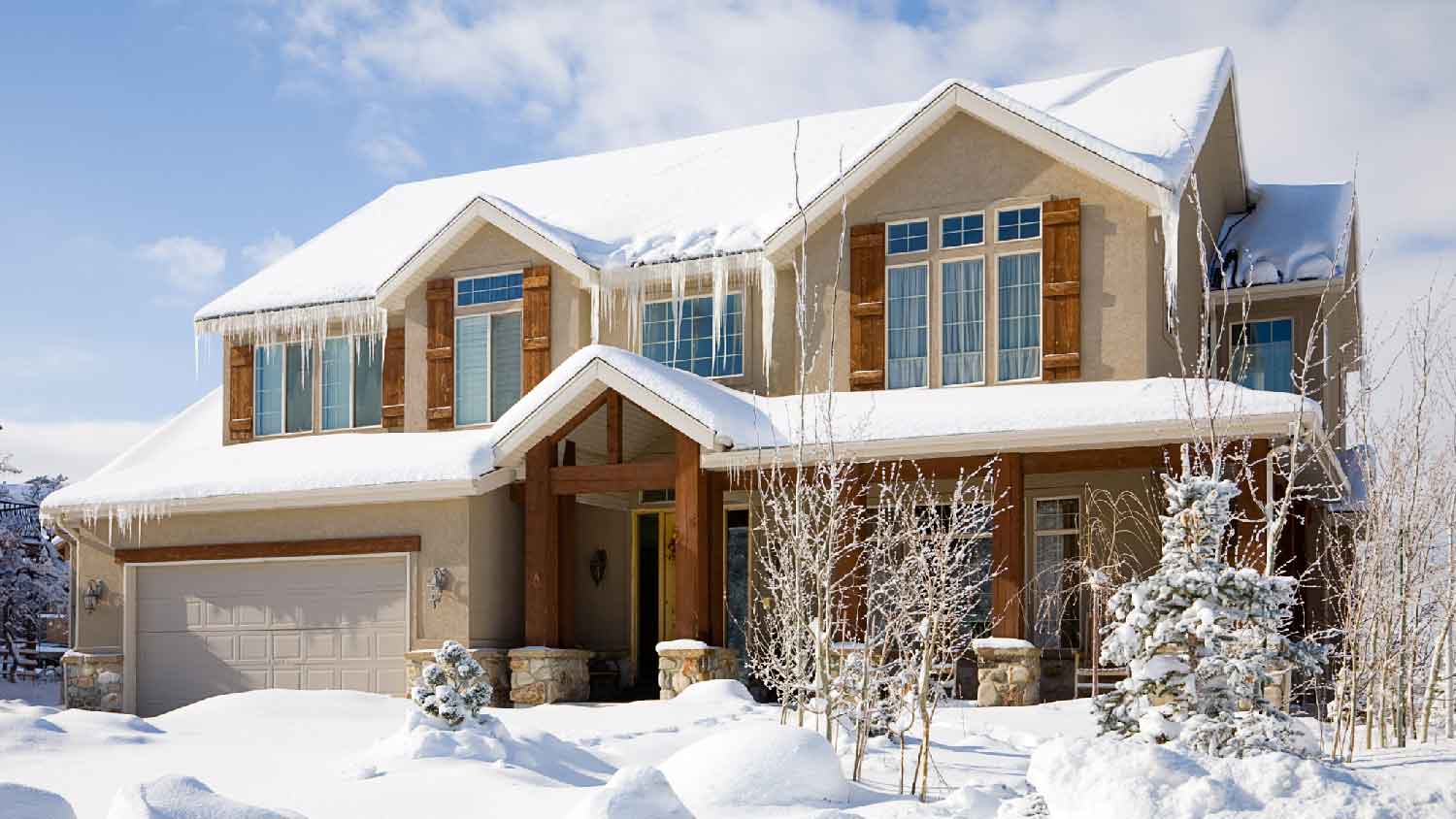
Worried about frozen pipe bursts during low temps? We’ll cover how to know if a pipe has burst, plus what to do and who to call.
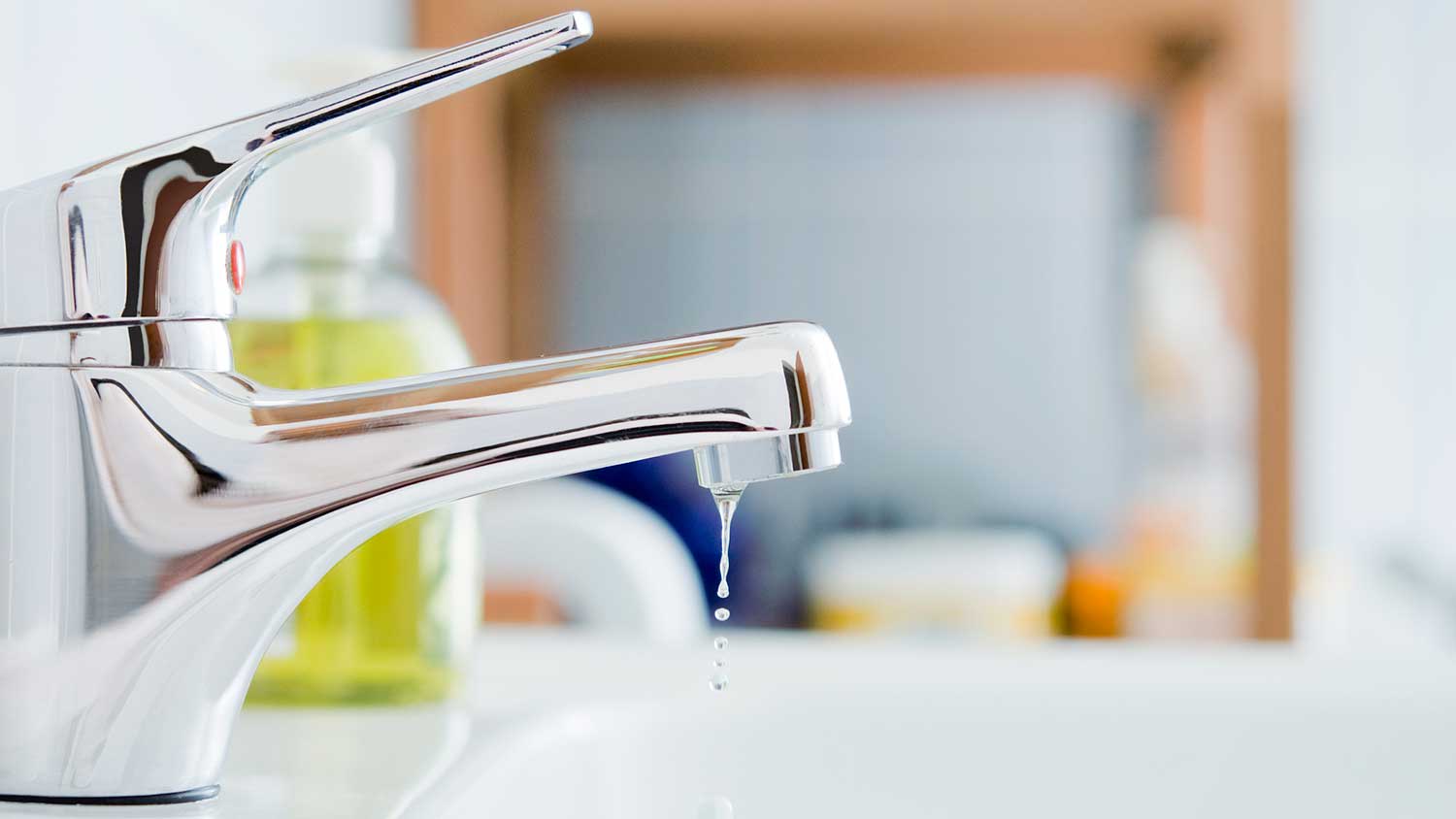
Water can freeze at 32 degrees or below, but several factors affect whether your pipes will freeze. Read this guide to learn about what temperature pipes freeze at.

If you need trenchless sewer repairs, you’ve no doubt asked yourself, “What is pipe bursting?” This guide answers that question and so much more.
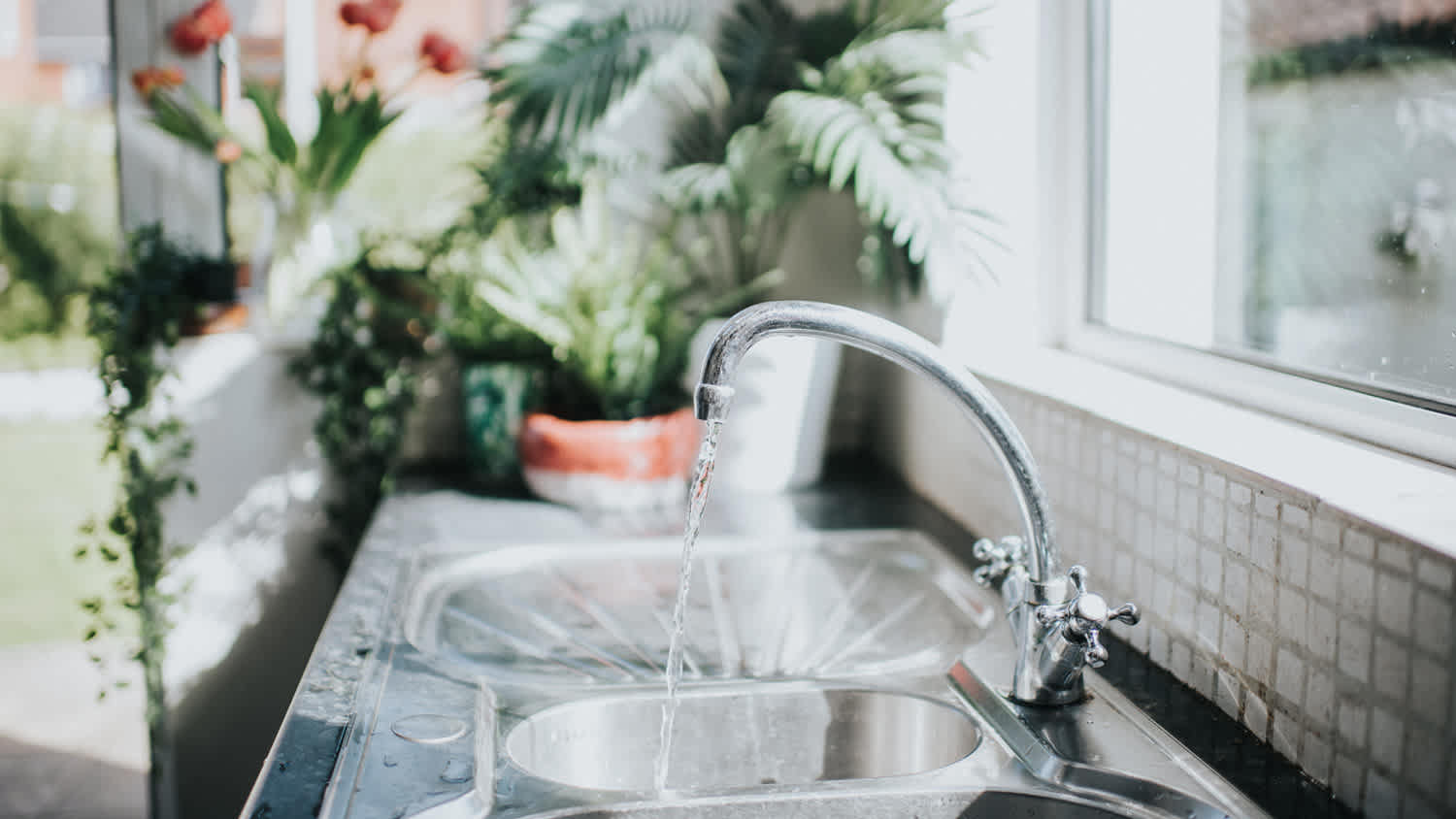
Finding frozen pipes involves using all of your senses to listen for, smell, and see the signs. Keep reading to learn how to find frozen pipes in your home.