

Whole-house humidifier costs vary based on the type and size of the unit, along with other factors. The price might be worth it for people living in dry regions.
Breathe new life into your humidifier

Your humidifier needs weekly vinegar cleaning and monthly bleach disinfecting to prevent mold and bacteria from forming in the tank and base.
Cleaning your humidifier takes under $10 using white vinegar or bleach you already have at home, making maintenance affordable and simple.
You should empty the tank after each use and replace the filter every few months to keep your humidifier running efficiently and safely.
Hiring a local humidifier repair professional provides reliable help with deep cleaning, filter replacement, and troubleshooting any mechanical issues affecting your unit's performance.
Humidifiers are a quick and easy way to improve the air quality in a room. However, they can be a haven for mold and bacteria if they’re not cleaned and disinfected properly. Use this guide to learn how to clean a humidifier on a regular basis, as well as discover how to perform a deep clean when needed.
Difficulty: Easy (1/5)
Cleaning a humidifier is a quick and simple task that provides instant results.
Total Project Time: 20–30 minutes
It will take around 20 to 30 minutes to allow the cleaning solution to soak in and disinfect the humidifier, plus drying time. It can take a bit longer if the humidifier is extra soiled or moldy.
Cost: Under $10
You can effectively clean a humidifier with cleaning products you likely already have at home.
Note: You can choose between cleaning the humidifier with vinegar or bleach, but never mix the two together.
White vinegar
Bleach
Distilled water
Soft-bristled brush
Cleaning cloth
Learn how to clean most portable humidifiers using these easy-to-follow steps. Remember, always refer to the humidifier’s manufacturer recommendations for cleaning instructions, as they can vary depending on the model.

Unplug the unit, and completely empty the tank of any liquid. Remember, when water sits too long, mold and bacteria form.
Once the tank has been emptied, assess the condition to determine if you will need to disinfect it using bleach for a deep clean or if a regular cleaning with vinegar will suffice.
Then, disassemble the humidifier and separate the pieces that have electronic components, as these can’t be submerged in liquid.
Rinse off all of the non-electronic pieces with water (except for the tank and the base), then allow them to air dry.
If any of the pieces are grimy, you may need to scrub them with a soft-bristled brush and vinegar. Be sure to check in small crevices, such as the lid, which can be a haven for mold and grime.
If you have a dishwasher-safe unit, refer to the manufacturer directions to determine if there are any pieces that need to be left out from the dishwasher before running a cycle.
Lay the cleaned pieces on a towel to let them air dry while you move onto cleaning the tank and base.
To clean the tank and the base, you can either use vinegar or bleach (but never both at the same time). Vinegar works well for mildly to moderately soiled humidifiers, whereas bleach works as a disinfecting agent to provide a deeper clean for heavy buildup or visible mold.
If you’re using white vinegar, pour 1 to 2 cups directly into the tank. Some models may call for a mixture of water and vinegar, so be sure to be sure to check the model-specific cleaning instructions first.
If you’re using bleach, use a ratio of ½ gallon of distilled water to ½ tsp of bleach, and pour it into the tank to disinfect your humidifier.
Swirl the vinegar or bleach solution around in the humidifier tank to ensure the sides have been saturated.
Let the mixture sit in the tank for 20 minutes to 30 minutes to allow it to fully soak in.
Repeat the same process to clean the base.
Note: If you don’t have bleach on hand, you can pour 3% hydrogen peroxide into the tank and base to use as a disinfecting cleaning solution as well.
Once the cleaning solution has soaked into the tank and base, rinse it out with warm water. Keep washing the tank or base out until there’s no longer a vinegar or bleach smell.
If you notice any remaining mildew spots, grease spots, or mold, use a soft-bristled brush to scrub off leftover stains.
It’s helpful to use the scrubbing brush around crevices and in the corners of the unit to make sure all of the spaces have been cleaned.
You can also wipe down the entire tank or base with a cloth soaked in vinegar to give it a final clean.
Rinse the tank and base generously with water until it runs clear and doesn’t smell of cleaner.

Wipe off cleaned pieces with a clean cloth, and let them air dry.
Replace the wick or filter, if needed. (More on that below.)
Reassemble the humidifier.

Never let water sit inside the tank or base when not in use, as stagnant water is a breeding ground for mold and allergens.
Flip the filter or wick in the opposite direction each time you change the water so that it doesn’t wear down as quickly.
Always use distilled water rather than tap water in the machine to avoid introducing mineral particles, which can cause bacterial buildup in the machine.
Replacing the filter or wick every few months (or every month during periods of frequent use) or when there’s noticeable dirt or odors can prolong the life of the machine.
For best results, clean your humidifier with vinegar once a week, or every three days if you use it frequently. Do a disinfecting deep clean with bleach or peroxide every month. It’s important to note that if you have anyone in the household living with respiratory conditions or allergies, you may need to clean the humidifier more often.
A general rule to follow is to keep your home under 60% humidity in the summer and between 25% and 40% humidity in the winter. Check out our How to Measure Humidity In Your Home guide to learn more.
If the unit is soiled with visible mold spots, you can plug the device in outside and run vinegar through the tank to clean all of the working components of the machine. Let the vinegar work its way through the humidifier by letting it run for 30 minutes to an hour outside (as using vinegar indoors can be an irritant).
Then, run distilled water through the unit for another 30 minutes to an hour. If you still notice a vinegar smell, you can add a few drops of essential oils to the reservoir to eliminate the odor (as long as they are safe to use in your particular model).
Certain humidifier models use a wick or filter to help absorb water from the reservoir. Over time, this part can get dirty, and it’s important not to use any harsh chemicals to clean it, as harsh cleaners can damage the fibers of the filter. You can gently clean the wick using running water, but remember, it will still need to be replaced every few months.
While humidifiers are most commonly used during the winter months to add moisture to the home’s environment, there are other uses throughout the year that make it a worthwhile appliance. For example, humidifiers can help relieve seasonal allergy symptoms in the spring and summer months by moisturizing irritated and dry nasal passages.
You can browse through our What Are the Benefits of a Humidifier for Your Home? article for a more in-depth description, but here are some of the basics on how a humidifier can benefit you:
Helps relieve allergy and asthma symptoms
May reduce the spread of germs
Reduces static cling in clothing
Helps to keep your skin moist
May promote healthier sleep and eliminate snoring
Protects hardwood floors and wood furniture when kept at a certain humidity level
Empty the reservoirs completely, and allow them to fully air dry. Then, take out the filter and discard it before storing the humidifier for an extended period of time.
If you’re good people wanting to do business with good people, hire Matt. He is a consummate professional and utterly competent. He installed a water heater in my home at a price that beat competitors by hundreds of dollars with a promise to support the unit for its life (even after its 6 yr...
 Greene's Plumbing Services
Corey Carr was great. I had damage from a recent storm and needed to have my mast and other components replaced. The project entailed coordinating with AEP, and Corey helped make a stressful situation a lot less stressful. I really appreciated his dedication to service and the job very well done.
 Mr. Electric of Columbus
This service was great. My air conditioner went out during the heat spell that we had. My husband has health issues and they came out that night and at 9:30pm the air conditioner was fixed and running. We are sooo very thankful, this is the company I will be using from now on and would...
 Mr. Mechanical Ohio
I normally do not leave reviews, but my experience with Worthington Air was extremely frustrating and disappointing. About 30 days ago, I had a consultation done for an HVAC replacement and was quoted approximately $15,079. Based on that quote, I applied for financing through their company...
 ARS Columbus Worthington Air
Great company! Price was competitive, technician showed up on time and completed the job (exterior electric Radon fan replacement) quickly. Would hire them again.
 MaGen Property Inspections and Radon Mitigation
As usual with ECO, tech Jordan was outstanding, very professional, very knowledgeable, and very thorough with repairs made to tankless water heaters. Very highly recommend ECO!!!
 Eco Plumbers, Electricians, and HVAC Technicians
Raven and crew does absolutely fantastic job. They are very professional if any concerns were to occur with any of her work she always took responsibility and finished out with a great job. I have worked with her business for a year and have always been satisfied. Very trusted business and...
 Creations of Transformation LLC
I would recommend this company to anyone! He showed up on time, was friendly, completed a very difficult repair on our dryer vent cover, was responsive, and pricing was extremely fair and competitive. I would have him back to do any of our repairs or cleanings without hesitation!
 U.S.A. Dryer Vent, LLC
Ace Fireplace Services' chimney sweep service is truly exceptional. They used advanced technology to ensure a thorough cleaning process, and my chimney has never looked better. I highly recommend their services.
 Ace Fireplace Services
The technician was very professional and friendly. He answered all my questions and was very thorough. He left the fireplace area very clean . He inspected from the roof and advised me as to other work that might need to be done. There was no pressure there. I was very satisfied with the...
 Supreme brick & chimney
From average costs to expert advice, get all the answers you need to get your job done.
Whole-house humidifier costs vary based on the type and size of the unit, along with other factors. The price might be worth it for people living in dry regions.
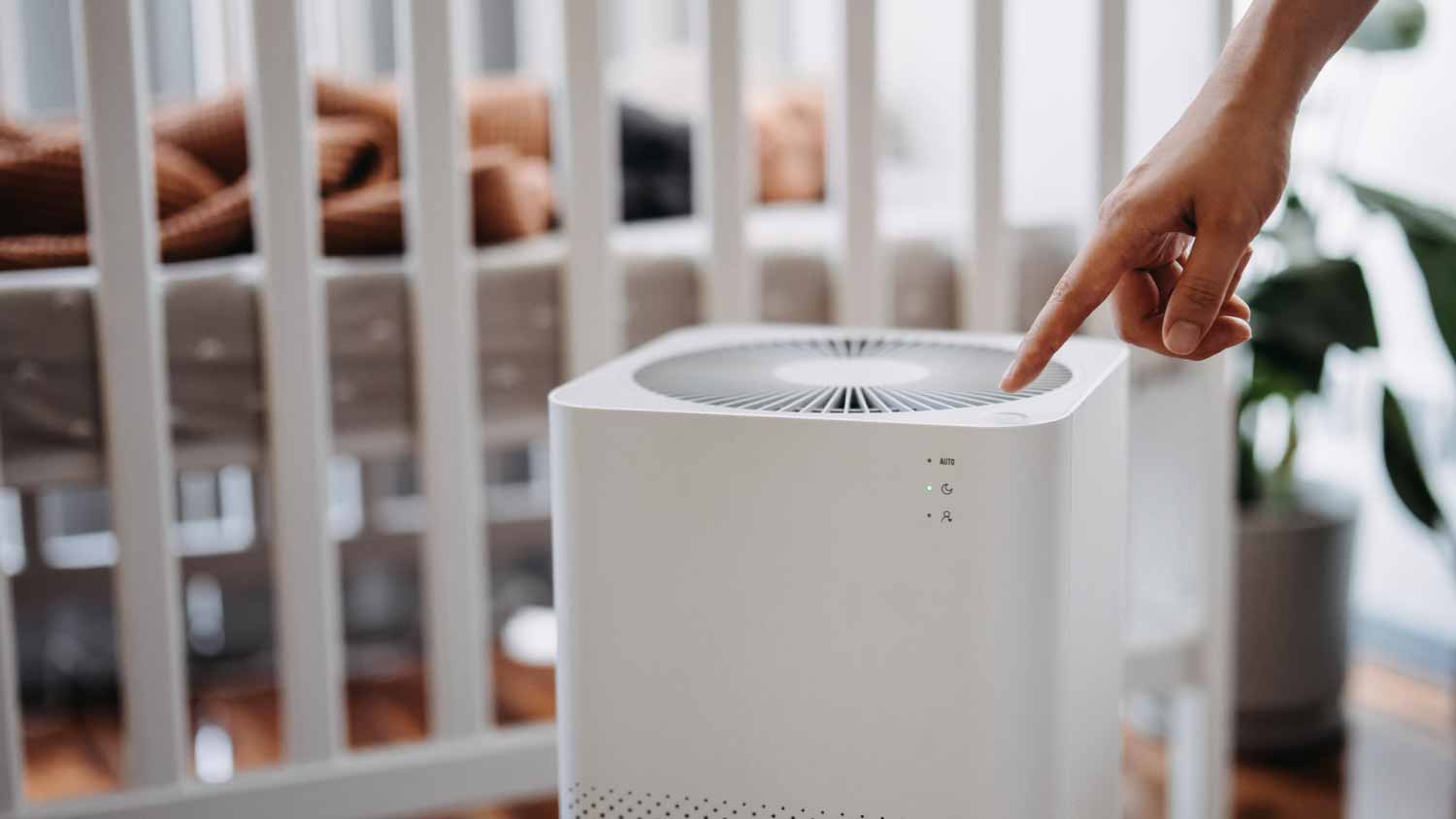
Find out the average humidifier repair cost, what impacts pricing, and how to save. Get expert tips to budget for your humidifier repair.

Do you struggle with high humidity in your home but don’t want to buy a humidifier? Learn how to humidify a room without a humidifier.
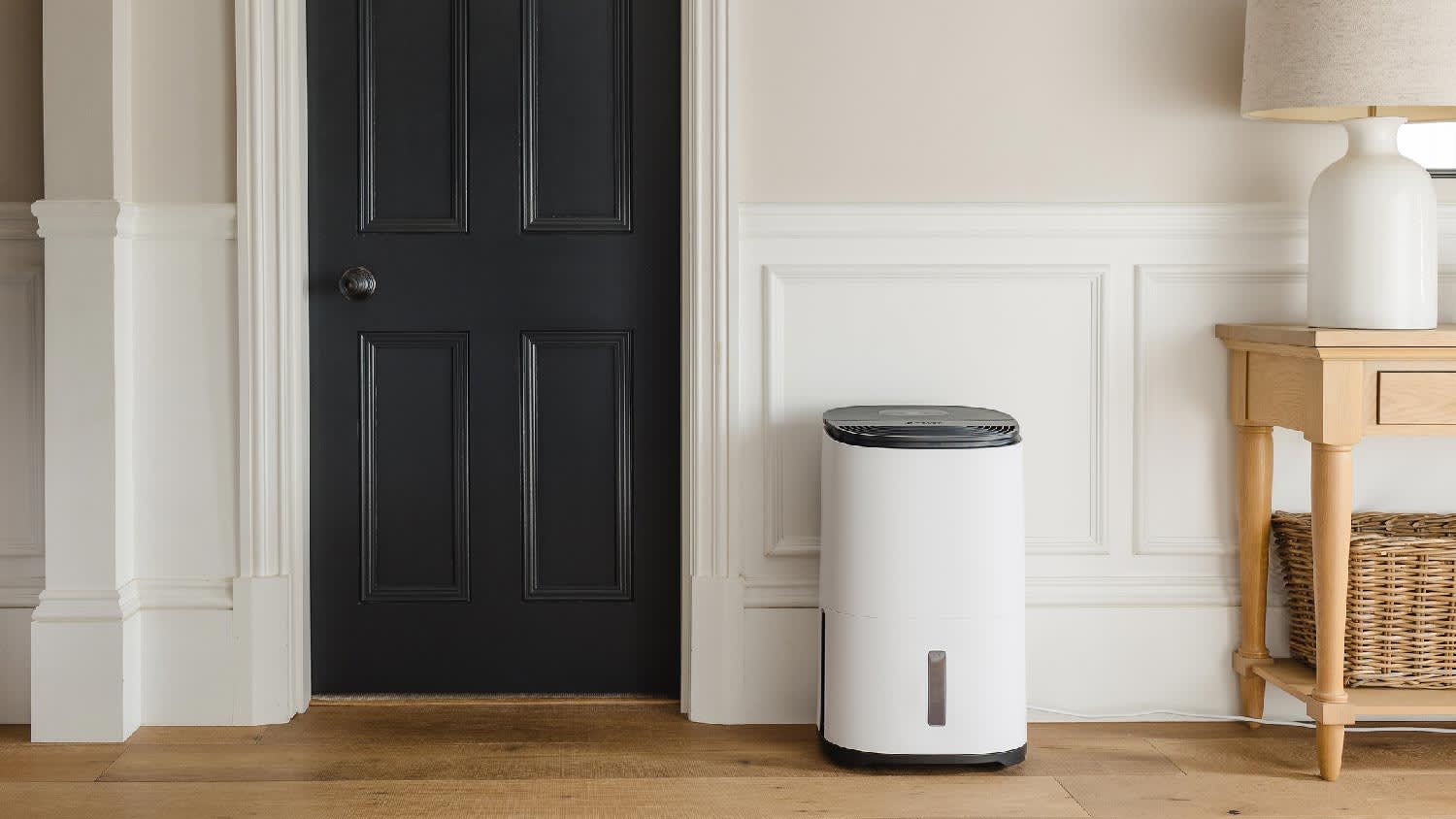
Looking for a qualified humidifier repair service? Learn how to find and hire the right HVAC technician with our complete guide to questions, qualifications, and costs.

Is winter weather making your house feel like a desert? You might need a humidifier. Here are the benefits of getting a humidifier for your home.

Not sure which type of furnace humidifier is best for your home? We’ve broken down four different options, explaining how they work and their benefits.