

Using your furnace humidifier in the winter is a no-brainer, but you also need it in the summer. Here’s the ideal humidifier setting you should aim for in your home.
Excessive moisture has met its match

Dehumidifying a room starts with addressing excess moisture sources like cooking steam, shower humidity, and poor ventilation that trap dampness and create discomfort in your home.
Running exhaust fans in your kitchen and bathroom removes humid air outdoors, preventing moisture buildup and helping you maintain comfortable indoor conditions without expensive equipment.
Opening windows when outdoor humidity drops below indoor levels lets fresh air reduce trapped moisture, and using ceiling fans improves circulation to prevent dampness from settling.
Hiring a local mold inspection professional provides peace of mind when musty odors or visible mold appear, helping you identify hidden moisture problems and plan effective remediation.
Excess moisture in your home affects your living environment and can impact your health, creating ideal conditions for allergens and mold to thrive. Whether it’s a sticky summer day or a persistently damp basement, managing humidity is key for maintaining a comfortable, safe, and healthy home. Learn how to lower humidity in your home with these helpful tips.

High humidity in a home can lead to discomfort, health risks, and damage to your property if left unchecked. Identifying the warning signs early can help you take steps to lower humidity levels and maintain a balanced indoor environment. Here are some common signs of high humidity:
Condensation on Windows: Moisture or fog forming on windows, especially in the morning, indicates that indoor air holds too much water.
Musty Odors: A persistent damp smell in areas like the basement or bathrooms, is a strong indicator of mold or mildew growth, which could be caused by high humidity. Hire a local mold inspector if you're noticing these smells.
Mold and Mildew Growth: Black or green spots on walls, ceilings, or grout lines signal high moisture levels.
Warped Wood or Peeling Paint: Swollen wood furniture, floorboards, or peeling paint suggests that materials are absorbing excess moisture.
Increased Dust Mites: A spike in allergy symptoms could point to higher dust mite activity, as they thrive in humid environments.
Clammy Air or Damp Surfaces: A sticky feeling in the air or wetness on walls and furniture means the humidity is above the ideal level.
Slow-Drying Laundry: Clothes and towels taking longer to air dry indoors can indicate high humidity levels.
Water Stains or Discoloration: Dark patches or watermarks on ceilings and walls can be caused by condensation or leaks exacerbated by humidity.
"High humidity in your home creates an ideal environment for mold and bacteria to thrive, increasing the risk of respiratory issues and illnesses spreading among family members. It can also lead to structural damage, such as warped wood and peeling paint, while making the air feel sticky and uncomfortable. Managing humidity levels with proper ventilation and dehumidification helps protect your home and supports a healthier living environment."
—Ryan Osterkamp, Owner of Quality Comfort, Cincinnati, OH

Run exhaust fans in the kitchen, bathroom, and laundry room, especially after cooking or showering. These fans expel humid air outdoors and prevent it from accumulating inside.
When outdoor humidity is lower than inside, open your windows to promote airflow. Open windows exchange moist indoor air with drier outdoor air, reducing trapped moisture and refreshing your home.
Keep interior doors open to allow air to flow freely from room to room. The airflow maintains consistent humidity levels and prevents moisture buildup.
Ceiling fans, standing fans, or box fans improve air circulation in rooms with high humidity. Moving air discourages moisture from settling on surfaces and distributes drier air.

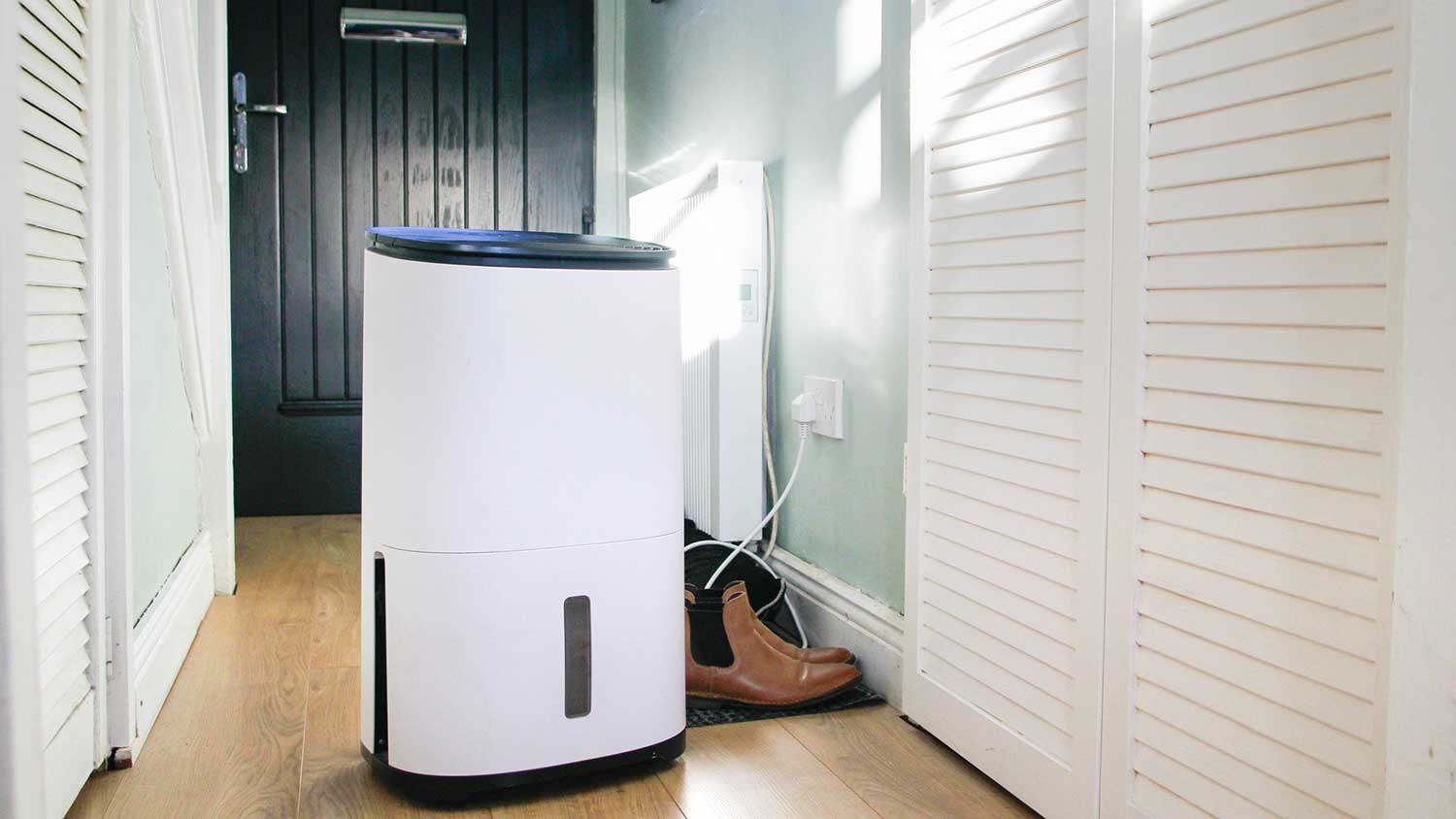
Set up a dehumidifier in damp rooms, such as basements or bathrooms. Dehumidifiers remove excess moisture from the air, making the space more comfortable and less conducive to mold and mildew growth. While you can buy dehumidifiers for each room, you could also invest in whole-house humidifiers. On average, whole-home humidifiers cost between $390 and $770.
Air conditioners extract moisture from the air as part of the cooling process, lowering overall indoor humidity. Turn it on to lower your home's humidity.
Regularly clean or replace HVAC filters to maintain proper airflow. Clean filters prevent the system from overworking, which can otherwise lead to higher humidity levels and cause insufficient air circulation.
Inspect and seal air leaks in HVAC ducts using mastic sealant or aluminum tape. Properly sealed ducts prevent humid air from leaking into your home and ensure dehumidified air reaches areas efficiently.
Fix dripping faucets, leaking pipes, or roof leaks as soon as you find them. Addressing leaks prevents additional moisture from entering your home, which helps reduce humidity levels.
Clear debris from gutters and downspouts and ensure they direct water away from your home. This prevents water from seeping into your foundation or basement, which can contribute to indoor humidity.
Gaps around windows and doors can allow humid air to enter. Apply weatherstripping or caulk in these areas to reduce drafts.
Place vapor barriers on basement floors or crawl spaces to block moisture from rising into your home from the ground and reducing humidity.
Cover pots and pans with lids while cooking to trap steam and reduce the amount of moisture released into the air. This prevents the kitchen from becoming a hotspot for humidity.
Always turn on the range hood while cooking, especially when boiling water or frying. Range hoods capture steam and vent it outside, helping to maintain low humidity levels in the kitchen.
Hot showers generate steam that emits moisture into the air. Take shorter showers in colder water to minimize steam and prevent condensation.
Place silica gel or activated charcoal in damp-prone spaces such as closets, absorbing excess moisture from the air and maintaining a drier environment.
Decorate your home with plants like aloe vera or lilacs to naturally absorb moisture from the air and maintain ideal indoor humidity levels.
Hang wet clothes to dry outdoors on clotheslines instead of using indoor drying racks. This prevents the moisture from laundry from being released into the air.
Upgrade to double-glazed windows, which provide better insulation and reduce condensation. This upgrade aids in maintaining a consistent indoor temperature and prevents excess moisture buildup.
High-quality insulation in walls, attics, and basements better regulates indoor temperature, minimizes condensation, and prevents outdoor humidity from getting into your home.
Install vents or fans in basements and crawlspaces to promote airflow and expel moist air. Proper ventilation prevents dampness and reduces the risk of mold growth.
Ensure that the ground slopes away from your home’s foundation and that drainage systems function properly. This prevents water from pooling near your home, which can contribute to high indoor humidity.
This service was great. My air conditioner went out during the heat spell that we had. My husband has health issues and they came out that night and at 9:30pm the air conditioner was fixed and running. We are sooo very thankful, this is the company I will be using from now on and would...
 Mr. Mechanical Ohio
I would recommend this company to anyone! He showed up on time, was friendly, completed a very difficult repair on our dryer vent cover, was responsive, and pricing was extremely fair and competitive. I would have him back to do any of our repairs or cleanings without hesitation!
 U.S.A. Dryer Vent, LLC
The technician was very professional and friendly. He answered all my questions and was very thorough. He left the fireplace area very clean . He inspected from the roof and advised me as to other work that might need to be done. There was no pressure there. I was very satisfied with the...
 Supreme brick & chimney
Ace Fireplace Services came to the rescue for my chimney repair. They were quick to pinpoint the issue and worked their magic to fix it. My chimney is now in excellent shape, and I'm a satisfied customer.
 Ace Fireplace Services
Professionalism, quality, and affordability - Custom Paint Jobs LLC checks all the boxes.
 Custom Paint Jobs, LLC
On time, clean and finished fast. Windows seem sturdy and the finish is good. Caulking was done with no smudges. Would recommend.
 Window Depot USA of Central Ohio
Great job...edging and pre clean up went well with a great job with seal coat. Friendly, efficient and professional.
 All Star Paving and Sealing
Scott did not get appropriate access to the property prior to the scheduled inspection which required us to come back later in the day to complete it. He also, unprofessionally, knocked on a neighbor?s door in his attempts to reach someone with access. His overall report was fine though the...
 Security First Home Inspections
Did a great job replacing the ice maker and water regulator on my refrigerator. He was quick and thorough, very friendly and professional. If I needed a heart transplant I'd want him to do it!!!
Scott checked our large crawl space for mold and water infiltration and recommended a viable solution. The crew was efficient and they cleaned up well after the job. The job was expensive but I am confident that I won't have to deal with the problem again. Highly recommend.
 AdvantaClean of Dublin
From average costs to expert advice, get all the answers you need to get your job done.
Using your furnace humidifier in the winter is a no-brainer, but you also need it in the summer. Here’s the ideal humidifier setting you should aim for in your home.

Many issues can arise due to imbalances in indoor humidity levels. Learn how to measure the humidity in your home and keep it balanced with these tips.

A house that's too dry can lead to uncomfortable living conditions. Here's how to tackle low humidity in your house so you can breathe easier.

Improper humidity levels can negatively affect the air quality in your home. This information will help you understand what the humidity should be in a basement.

Is winter weather making your house feel like a desert? You might need a humidifier. Here are the benefits of getting a humidifier for your home.
If your home feels like a rainforest, it’s time to determine why your house is so humid and how to get rid of the excess moisture.