

If your energy bills have increased or your home isn’t as comfortable as it used to be, use this duct sealing cost guide to see how much a solution will total.
Cleaner air and energy efficiency start with your ductwork

Your ductwork seals air in and keeps energy costs down, but duct sealing methods like foil tape, mastic, and Aeroseal address different leak sizes and duct materials.
Expect to pay $375 to $6,000 for professional duct sealing, with average costs around $2,250 depending on your home's size and ductwork accessibility.
Uneven heating or cooling in your rooms signals leaky ducts, and addressing these leaks early helps improve air quality and prevents higher energy bills over time.
Hiring a local duct installing professional provides reliable support with advanced sealing methods like Aeroseal and ensures proper insulation for long-term HVAC efficiency.
Is your ductwork causing energy loss in your home (i.e. skyrocketing energy bills)? Properly sealed air ducts are crucial for maintaining energy efficiency as well as indoor air quality in your home. While there are several duct sealing methods available out there, some are more effective than others, and some will simply work better with your home’s type of ductwork. Let’s discuss a few of the best methods to help you make an informed decision when it comes to improving the performance of your HVAC system.

A commonly used material for sealing air ducts, foil tape is a flexible adhesive tape made of aluminum and is designed specifically for HVAC applications. This tape is known for its durability and ease of use, making it a popular choice for DIY duct sealing.
Easy to apply and maneuver on flexible ducts
Resistant to temperature fluctuations
Suitable for both small and large ducts
Budget-friendly
May not be as effective for sealing large gaps or holes
Not as long-lasting as other sealing products
Not as aesthetically pleasing as some other sealing methods
Mastic sealant is a versatile duct sealing option that is especially effective in filling gaps and cracks in your ductwork. It is a sticky, putty-like substance that adheres well to various materials commonly used in ductwork.
Excellent at sealing small to medium-sized gaps
Provides a durable, airtight seal
Can be used on various duct materials
Requires more time and effort for application compared to tape
May not be suitable for large holes or extensive damage

Another liquid sealing option, latex sealant is often used for air ducts. It is a water-based sealant that can be easily applied with a caulking gun. Latex sealant is known for its flexibility and adhesion properties.
Excellent adhesion to duct surfaces
Remains flexible, accommodating duct movement
Resistant to moisture and humidity
Takes longer to cure compared to other sealing methods
May not be as effective for large holes or gaps
Aeroseal is a specialized duct sealing method that uses a unique approach to seal leaks in your ductwork. It involves pressurizing the duct system and injecting a sealant into the leaks, effectively sealing them from the inside.
Highly effective at sealing small leaks
Provides a long-lasting, airtight seal
Doesn’t require extensive access to ductwork
Seals from the inside for a more invisible sealing method
Requires professional equipment and expertise
Only addresses duct holes smaller than 5/8 inch
Can be more expensive than other sealing methods
The heavy-duty king of air duct sealing, Duct Armor is basically a protective lining that can be applied to the interior of your ducts. It not only seals leaks but also provides insulation and protection against future duct damage for 15 years or more.
Offers both sealing and insulation benefits
Resistant to moisture and mold growth
Enhances the durability of your ducts
Lasts 15 years or longer
Installation can be labor-intensive
Initial duct sealing cost may be higher than other methods

While it’s not a traditional duct sealing method, air duct insulation can also contribute to sealing your ducts. Insulated ducts are less prone to temperature fluctuations and can help maintain consistent airflow.
Provides insulation benefits in addition to sealing
Helps prevent condensation on air vents and temperature loss
Can improve overall HVAC system efficiency
Installation may require access to the entire duct system
Initial investment can be higher than simple sealing methods
Leaky air ducts in your home contribute to energy waste, poor air quality, and inconsistent indoor temperatures. Here are a few warning signs to watch for:
Uneven heating or cooling: Some rooms may feel too hot or cold despite thermostat settings.
Sudden spike in energy bills: This may indicate that cooled or heater air is escaping through leaks, forcing your HVAC system to work harder.
Excessive dust and poor indoor air quality: Leaks can pull dirt, allergens, and pollutants from attics or crawl spaces.
Strange noises: Whistling or rattling sounds may indicate gaps or disconnections in the ductwork.
Musty odors or increased humidity: Leaks can allow unfiltered air into your home.
Regularly inspecting your ducts and sealing leaks can improve efficiency, enhance air quality, and extend the life of your HVAC system.

Not all of these duct sealing methods are appropriate for every home’s ductwork. When deciding on the best duct sealing method for your specific needs, several factors should be considered.
The type of duct material you have plays a crucial role in determining the most effective duct sealing method. Different types of ductwork—such as metal, fiberglass, or flexible ducts—have different properties and vulnerabilities. Metal ducts, for example, may require different sealants than flexible ducts due to differences in surface texture and rigidity.
Ignoring this factor can lead to inadequate sealing, reduced efficiency, and potential damage to the ductwork over time.
Ducts can be situated in various parts of your home, such as attics, basements, or within walls, each with unique accessibility challenges. Sealing ducts in hard-to-reach places may require specialized tools and techniques.
The location’s environment can also influence your sealing choice, as some sealing materials may be more resistant to moisture or temperature fluctuations. Ignoring duct location can lead to inefficient sealing efforts and potential difficulties in maintaining and repairing the ductwork.
The extent of leaks and damage within your duct system—such as large gaps, extensive cracks, or widespread leaks—should strongly influence your decision. While some sealing methods excel at patching small holes, others are better suited for tackling more extensive damage. Neglecting to consider the extent of the problem can result in an inadequate seal, leaving your ducts vulnerable to ongoing inefficiencies and energy loss.
Before you choose a sealing method for your ductwork, consider your home's energy efficiency needs. Some methods not only seal ducts but also provide insulation, which can significantly impact energy savings. By aligning your sealing method with your energy efficiency goals, you can ensure that conditioned air remains inside your ducts, minimizing energy waste and reducing utility bills.
Of course, your budget is a crucial consideration when selecting a sealing method. Different methods have varying costs, both in terms of materials and labor. While some sealing techniques may offer long-term benefits and energy savings, they could involve a higher initial investment. It's essential to strike a balance between your budget constraints and the desired sealing quality.
The most significant benefit of sealing air ducts is enhanced energy efficiency, which reduces the strain on your HVAC system. Not only does this protect the investment you made in your home, but it also reduces your utility bills.
After sealing, you can expect enhanced indoor air quality by keeping airborne nasties like dust and pollutants out of your living spaces. Overall, duct sealing is a win-win-win, leading to a healthier, more comfortable, and cost-effective home environment.
The cost of duct sealing averages $2,250 but could be as little as $375 to as high as $6,000. The size of your house will play a major factor in this cost, along with how easy it is to access those ducts and just how much of the system is leaking.
The method of duct sealing will also affect the price, with manual duct sealing costing $2,2250 and Aeroseal only costing about $1,300.
Whether you can seal your ducts yourself or need a professional depends on the chosen sealing method and your expertise. Some methods, like applying foil tape, are suitable for DIY projects and require minimal skill. However, more advanced methods, such as Aeroseal, usually warrant professional equipment and expertise. If you're uncertain about the complexity of the task or the extent of duct damage, you should consult with a local duct installer who can assess and recommend the most appropriate sealing approach for your specific situation.
If you’re good people wanting to do business with good people, hire Matt. He is a consummate professional and utterly competent. He installed a water heater in my home at a price that beat competitors by hundreds of dollars with a promise to support the unit for its life (even after its 6 yr...
 Greene's Plumbing Services
Corey Carr was great. I had damage from a recent storm and needed to have my mast and other components replaced. The project entailed coordinating with AEP, and Corey helped make a stressful situation a lot less stressful. I really appreciated his dedication to service and the job very well done.
 Mr. Electric of Columbus
This service was great. My air conditioner went out during the heat spell that we had. My husband has health issues and they came out that night and at 9:30pm the air conditioner was fixed and running. We are sooo very thankful, this is the company I will be using from now on and would...
 Mr. Mechanical Ohio
I normally do not leave reviews, but my experience with Worthington Air was extremely frustrating and disappointing. About 30 days ago, I had a consultation done for an HVAC replacement and was quoted approximately $15,079. Based on that quote, I applied for financing through their company...
 ARS Columbus Worthington Air
Great company! Price was competitive, technician showed up on time and completed the job (exterior electric Radon fan replacement) quickly. Would hire them again.
 MaGen Property Inspections and Radon Mitigation
Raven and crew does absolutely fantastic job. They are very professional if any concerns were to occur with any of her work she always took responsibility and finished out with a great job. I have worked with her business for a year and have always been satisfied. Very trusted business and...
 Creations of Transformation LLC
I would recommend this company to anyone! He showed up on time, was friendly, completed a very difficult repair on our dryer vent cover, was responsive, and pricing was extremely fair and competitive. I would have him back to do any of our repairs or cleanings without hesitation!
 U.S.A. Dryer Vent, LLC
Ace Fireplace Services' chimney sweep service is truly exceptional. They used advanced technology to ensure a thorough cleaning process, and my chimney has never looked better. I highly recommend their services.
 Ace Fireplace Services
The technician was very professional and friendly. He answered all my questions and was very thorough. He left the fireplace area very clean . He inspected from the roof and advised me as to other work that might need to be done. There was no pressure there. I was very satisfied with the...
 Supreme brick & chimney
On time, clean and finished fast. Windows seem sturdy and the finish is good. Caulking was done with no smudges. Would recommend.
 Window Depot USA of Central Ohio
From average costs to expert advice, get all the answers you need to get your job done.
If your energy bills have increased or your home isn’t as comfortable as it used to be, use this duct sealing cost guide to see how much a solution will total.

Your leaky ductwork may be hiking up your energy bills. We explore the cost of checking air ducts for leaks, which may be worth it for your home.

Whether your energy bills are out of control or you can’t keep your home comfortable, it’s good to know what costs to expect before you pay to insulate your ductwork.
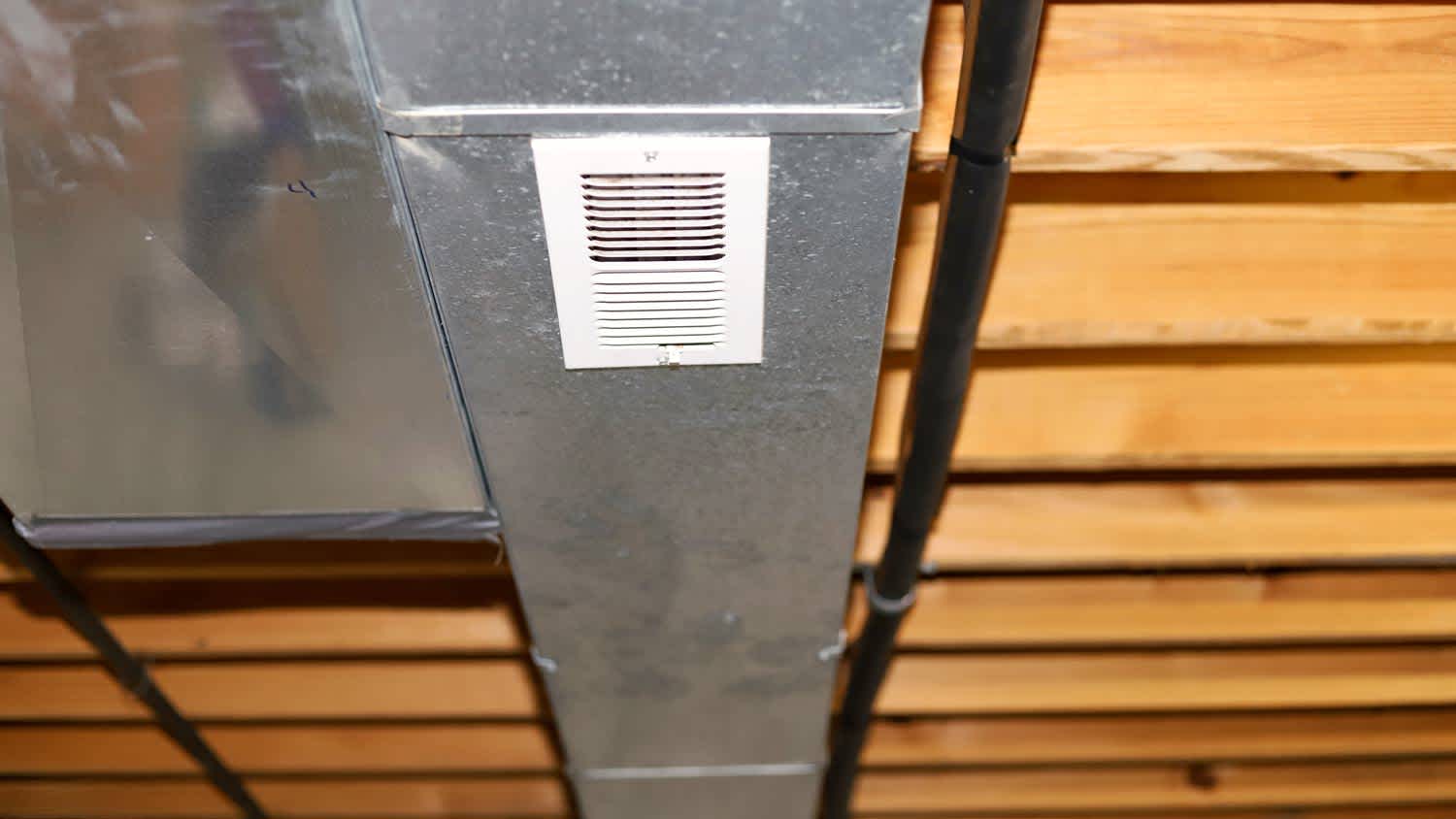
What causes condensation on ductwork in crawl spaces? A few things may be to blame. Learn more about the causes and what you can do.
Regular air duct cleaning can keep the air quality in your home healthier. Learn about the most common air duct cleaning methods for removing debris, bacteria, and mold.

A blocked air duct can impact indoor air quality and raise energy bills. Learn how to check for blocked air ducts with these easy DIY methods.