
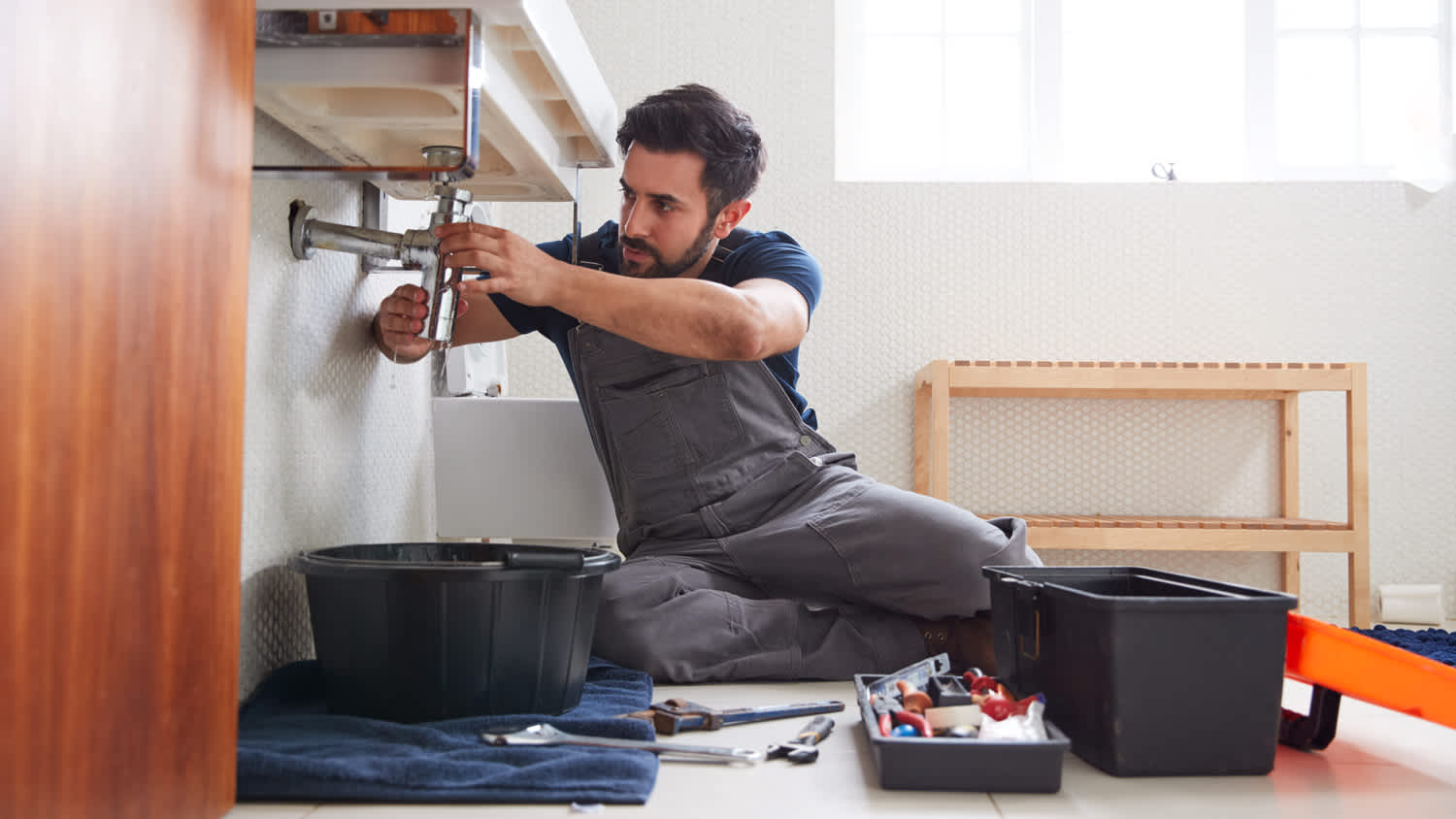
Plumbing inspection costs depend on the issue you’re looking into and the size of your home. Learn what you can expect to pay.
Let the water flow throughout your home where you need it most

Your home plumbing system has three main parts: the supply system uses pressure to deliver water, the drainage system uses gravity to remove wastewater, and the venting system keeps them separate.
Typical costs range from $180 to $500 for plumbing repairs, while water damage restoration from DIY plumbing mistakes can cost upwards of $15,000 for extensive damage.
Schedule plumbing inspections every one or two years to catch issues early, since your trained professional can spot warning signs like hidden leaks or poor water pressure that you might miss.
Hiring a local plumbing repair professional keeps your water supply safe and your drainage working properly, helping with everything from fixture installation to venting system repairs.
Many of us don’t realize the value of our plumbing system until something goes wrong—then, it quickly becomes of paramount importance. Although it operates out of sight (and oftentimes out of mind), it’s important to grasp how this system works and what kind of problems can occur. With the right base knowledge—and the expert care of a reputable plumber—you can preserve the systems that deliver water to and from your home.
Let’s take a closer look at how plumbing works in houses and the components and design principles that make up the average residential plumbing system.

Every home plumbing system has three main parts: the supply, the drainage, and the venting system. These are all vital to the safety of your water supply, as the "waste" portion has to stay separate from the "potable" supply. Otherwise, you could have a big problem on your hands. Here’s a breakdown of these important components and some plumbing basics.
The supply system uses pressure to carry water throughout your home to your kitchen sink, toilet, and wherever else you need it. This is basically a series of pipes, valves, fittings, and faucets. Separate pipes carry out cold or hot water as necessary.
Your home plumbing system relies on the natural properties of gravity and pressure. As water enters the pipes, it travels with sufficient pressure to move uphill, around pipe elbows, and so forth. The drainage system, on the other hand, depends on gravity to "flush" the wastewater out.
Cold water is always on standby and ready for use, but it goes through an extra step before you can get hot water. Cold water travels through a dedicated pipe to your gas or electric water heater, which then generates the hot water.
Speaking of water heaters—your water heater is usually the second-biggest consumer of energy in your home (second only to the HVAC system). For both traditional and tankless water heaters, proper maintenance is crucial to conserve energy. Also, if you have a natural gas water heater, make sure your local plumbing repair technician has experience with natural gas.
Rather than using pressure, drainage components rely on gravity. To encourage this process, drainage pipes follow a downward slope, which naturally guides waste to the sewage lines or septic tank. This waste then gets delivered to your home’s septic tank or public sewer system.
The venting system connects to the waste drainage piping and performs a critical role. As you’ve probably gathered, the plumbing supply and drainage systems must never mix—and the venting system prevents this from happening. Without it, the water supply would routinely get contaminated.
To prevent any disastrous commingling, the "bridges" that exist between the drain and supply systems are vented. These vents emit air into the draining pipes, which prevents the mixing of sewer gases into the drains. In effect, this vented air causes the traps in the drains to stay shut, preventing contamination of the plumbing system. If these vents get clogged, whether it’s by critters making nests or by other types of damage, it can create serious problems.

As stated before, the plumbing supply and drainage systems must be two very different operations that do not overlap. However, some bridges exist between the two, making the whole plumbing system work harmoniously. No, the Golden Gate Bridge isn’t the connecting factor between these two systems—it’s fixtures.
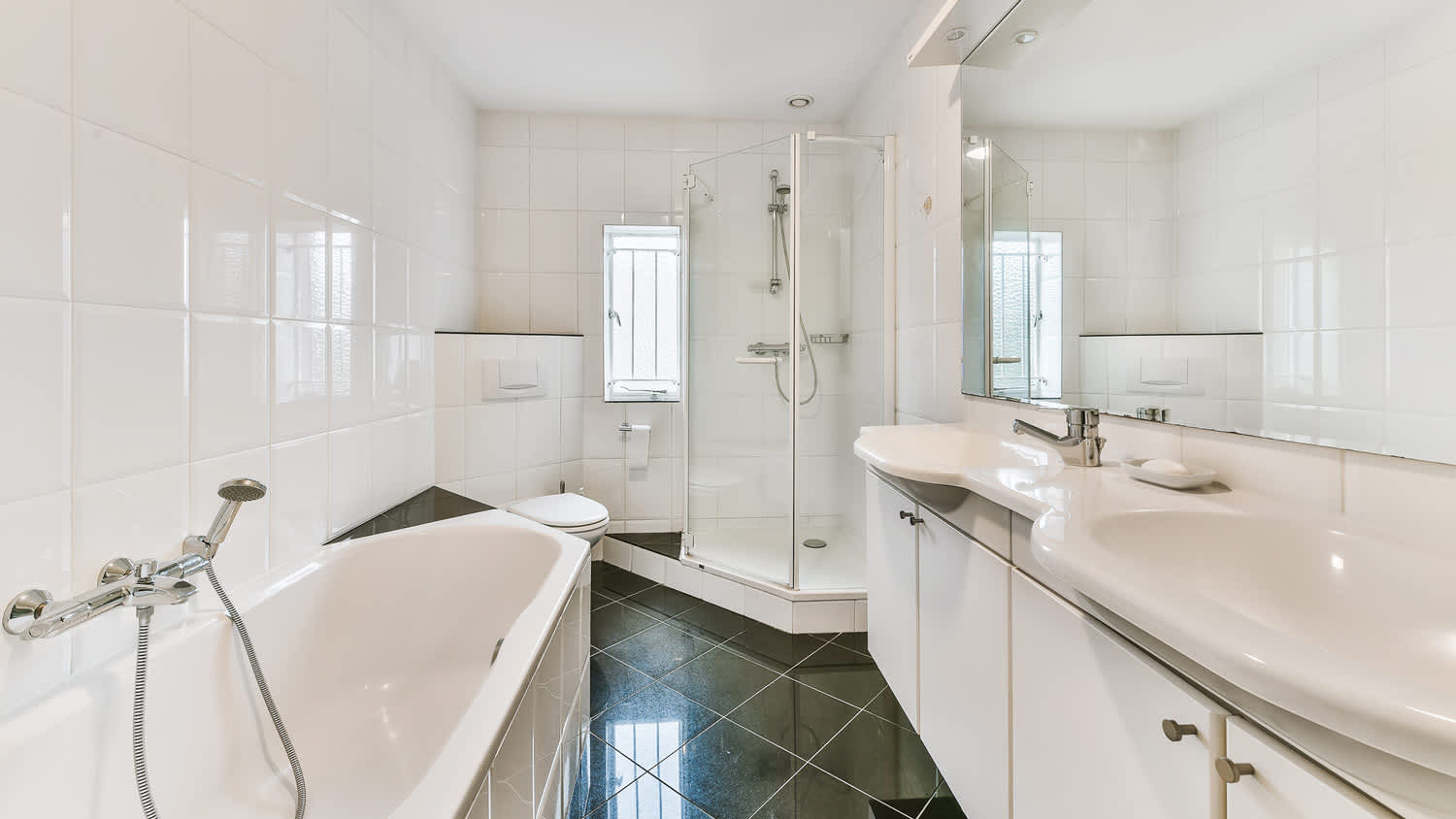
The term “fixture” encompasses any device that draws fresh water in and discharges wastewater while keeping the supply and drainage systems separate. Sinks, toilets, and bathtubs are fixtures, as are even things you wouldn’t think about, like washing machines. These bridges help us meet even the most basic plumbing situations and hold our home’s plumbing system together.
Your household depends on an effective plumbing system. With so much at stake, it’s important to know what’s what. Be sure to learn what type of plumbing you have in your home, as well as basic plumbing terminology for effective understanding and communication with a licensed plumber if you ever need to call one.
Even with all your new smarts, though, remember to appreciate the complexity of your home’s plumbing system. Whether you need new bathroom plumbing, a whole-house setup, or a quick repair, always leave the important stuff to your trusted local plumber. Most plumbing repair costs fall between $180 and $500 on average—a price tag that often beats the cost of replacing plumbing systems and water damage restoration costs from DIY plumbing gone wrong, which can cost upwards of $15,000 for extensive water damage.
Many problems can pop up in a plumbing system that might go unnoticed by even the most observant homeowner, making it important to schedule plumbing maintenance every one or two years. Even if you know your home’s plumbing like the back of your hand, conducting routine plumbing inspections is an absolute must for preventing leaks, extending your plumbing system’s lifespan, and catching issues as soon as they arise.
Without the trained eye of a professional, you could miss essential warning signs that your plumbing system is off-kilter, which could end up developing into a major problem by the time you detect it and lead to emergency services and paying extra for repairs. To put this into perspective, emergency plumbers cost between $60 and $600 per hour.
In a plumbing inspection, a licensed plumber will check the interior and exterior parts of your plumbing system for signs of damage and poor condition. This includes your water supply lines, sewage lines, pipes, water heater, toilet, sinks, and more. For major plumbing problems, your pro might even use a high-definition camera to scout leaks and quickly repair or replace pipes.
A plumbing inspection costs between $100 and $1,375, or around $575 on average, and can depend on the scope and condition of your plumbing system.
Heather Ayer contributed to this piece.
Positive experience. As previously stated, the replacement/repair could not be completed (no fault of the plumbing tech) b/c misinformation was rec?d by property management maintenance. Thanks to the plumbing tech for your efforts. Appreciate you!
 The Waterworks
If you want to pay the most exorbitant prices possible for your job, this is the company for you. “By the job” pricing is a rip-off, at least how these people use it. Every job is plugged into a category and prices are set by category. You might have a job that takes half an hour or one that...
 Benjamin Franklin Plumbing
Cole has been handling plumbing and general contracting for our four properties over the past three years, and he’s always done a great job. Most recently, he installed a sink and countertop in our retail store where none existed before, and it turned out exactly how we needed. He’s...
 ANB Renovations LLC
Matt is a consummate professional. The work turned out to be far more difficult than expected and rather than turn the job down, Matt rose to the occasion and completed a near impossible task. I can not recommend Greene's Plumbing Service more highly. On a scale of 1-5 I would give Matt a...
 Greene's Plumbing Service
Involved an extensive bathroom remodel, including removing tub & installing walk in shower, new drywall, custome tile work to ceiling, plumbing, etc. Overall, job was done on time and on budget. Nick & his team were very professional and had high attention to detail. Quality was great. Highly...
 Stamos Flooring and Remodeling LLC
Awesome company. Had a jacuzzi tub taken out and replaced with huge walk in shower with partial glass enclosure. Onyx to the ceiling with a decorative border, moved plumbing and installed hand held shower, new ceiling, flooring, and paint. Replaced window with glass block. Everything was done...
 Columbus Bath Design
The initial quoted price from a walk-through seemed high, but we discussed that the quote represented worst case scenario (re-wiring to two floors) and we were excited about the opportunity to have the work done in a timely manner with closing for fire safety reasons, etc. When the job was...
Initially, I called the Service People to have a leaking garbage disposal replaced. I had purchased a special deal through Angie's List: $79 for $200-worth of plumbing services. <br /> When I went to schedule the work, the earliest date I could get through Angie's List was after the upcoming...
This company did a very good job on the brick wall and it looks just amazing. The staff was always professional and was practically OCD on how the bricks were stacked and how they were laid. Although it took longer than expected, I am willing to sacrifice time over perfection anyday. The...
 My Handy Mate LLC Improvement & Remodeling
<p>I am so glad we called Rotor-Rooter. I was hesitant to call them because we usually prefer to give business to local providers. But when we had sewage back up in our basement on a Saturday evening, I had a hard time getting a hold of someone, not to mention the high weekend/evening rate...
 Roto-Rooter Plumbing & Water Cleanup
From average costs to expert advice, get all the answers you need to get your job done.
Plumbing inspection costs depend on the issue you’re looking into and the size of your home. Learn what you can expect to pay.
The costs for common plumbing issues are determined based on parts, labor, and expertise level. Read our guide to find out how much you should budget.
Discover the average smart home system cost, including key price factors and tips to save on installation, devices, and ongoing expenses.
Need to create a residential plumbing design layout but don’t know where to start? Learn essential plumbing components to create the perfect layout for your home.
A plumbing stack is an integral part of your drain-waste-vent system and includes three major components. A failed plumbing stack can lead to more damage.
If you're looking to hire a mobile home plumbing expert, these are the questions to ask, red flags to look for, and steps to take after the job is done.