

When it’s time to replace the furnace, review this guide for new furnace costs based on type, size, and efficiency, plus furnace installation costs.
Your trusty furnace won’t last forever, but maintenance can help it last longer

Most furnaces last 15 to 20 years, and the lifespan of your furnace depends on fuel type, with electric models lasting longest at 20 to 30 years.
Your furnace needs regular filter changes every 90 days and annual professional inspections to keep parts running efficiently and prevent costly wear over time.
Setting your thermostat between 68 and 70 degrees during the day helps your furnace work less and last longer, saving you money on heating bills.
Hiring a local furnace installation professional provides expert guidance on replacement timing and ensures proper sizing, installation, and setup for your home's heating needs.
When you hear the furnace start to rattle or notice the vents don’t seem to be blowing out hot air quite like they used to, you may start to wonder: How long do furnaces last? Could it be time to replace your old furnace?
No matter the type of furnace you have, furnaces come with an average life expectancy. But whether or not they last that long can depend on many factors, from the furnace type, brand, and size you purchase to how you maintain the unit over the years. Here’s what you can expect when it comes to the life span of a furnace.
An average furnace lasts about 15 years, with most working efficiently for about 15 to 20 years. After that, general wear and tear can cause the furnace to work harder to provide the same amount of heat it’s been providing you with all these years, which can lead to costly utility bills. That’s why when your furnace starts getting up there in age, it’s best to hire a local furnace installer to replace the old furnace with a newer, more energy-efficient model.

Different types of furnaces can have slight differences in their life spans based on how efficient the different fuel sources are. You can expect the following life expectancy for these common furnace types:
Electric: 20–30 years
Natural gas: 15–20 years
Propane: 15–20 years
Oil: 15–25 years
Wood: 10–20 years
While it’s not technically a furnace but another type of heating element, a heat pump has a life span of about 10 to 15 years. That’s because the heat pump works year-round, providing both heating and cooling. This is something to keep in mind when considering heat pump costs and whether to install a heat pump versus a furnace.
From the furnace’s brand and size to how it is installed, there are many factors that influence how long furnaces last. Even your preferences for where to set the thermostat can impact the life span of a furnace, so it’s no wonder your parents were always adamant about not touching the thermostat when you were a kid.
While it’s tempting to buy the least expensive model from an unknown brand to save money on new furnace costs, the brand and model of your furnace will impact its life span. Some brands have been around for decades and are known for manufacturing high-quality furnaces and parts, or brands may offer premium, higher-quality models and more budget-friendly options with standard-quality parts.
Determining the right furnace size for your home is an essential step in buying a new furnace. Furnaces that are too small will have to run more continuously to try to keep the home heated to the thermostat setting, and this will wear out the furnace parts. But a furnace that is too large can cause problems, too. Oversized furnaces will short cycle, or turn on and off, more frequently, and this process puts more strain on the furnace parts.
There are a number of things that can go wrong with a furnace installation. An untrained furnace installer may fail to properly seal the air ducts or install the wrong size of air ducts or furnace, or they may install the fuel lines and exhaust vents improperly.
Improper installation will cause the system to work less efficiently, and it can cause fire risks or exposure to combustion gasses. Prolonged exposure to combustion gasses such as carbon monoxide can be deadly, so it’s important to always work with a licensed, highly rated furnace installer when putting a new furnace into your home.
You may love to feel the toasty air blowing through the vents in the cold winter months, but your furnace doesn’t exactly love churning out all of that hot air. Setting your thermostat too high or too low can make the system work harder or put unnecessary wear on parts inside the unit, which will shorten the life span of the furnace.
The U.S. Department of Energy recommends setting a furnace thermostat anywhere between 68 degrees and 70 degrees Fahrenheit during the day while you are home. At night or if you aren’t home, set the thermostat a few degrees lower. Not only will this extend the life expectancy of your furnace, but it will also save you money on heating costs.
Furnaces require regular maintenance to perform their best. This involves changing the furnace filter at least every 90 days and scheduling an inspection, cleaning, and tune-up at least once per year. By having an HVAC professional handle these services each year, they can keep the system running smoothly and fix any minor issues before they become major, energy-draining problems.
You may not have much say in where a furnace can go in your home, but it’s helpful to know that the location can impact how long a furnace lasts. Furnaces work best in a climate-controlled space, like a utility closet inside the home or in a garage.
Furnaces in attics are exposed to more heat over the course of the year, which can shorten their life span. Furnaces in crawl spaces can be exposed to more heat in the summer and cold in the winter, plus they may be accessible to pests.

Like any other appliance in your home, a furnace requires a little TLC from time to time to keep it running as efficiently as possible for as long as possible. Some furnace maintenance tasks will require help from a pro, but there are a few things you can do yourself, too.
The furnace filters need to be changed about every 90 days, but if you live in a home with pets, someone who smokes, someone with allergies, or a higher number of household members, you may want to change the filters more frequently, about once per month.
You need to schedule a furnace inspection at least once per year, typically in the fall. That way, an HVAC professional can clean the system and repair any issues before the colder temperatures set in. When scheduling the inspection, you should also have a pro come to clean the furnace and do a tune-up.
In addition to scheduling professional cleanings once per year, you should keep the furnace area clear of any objects or debris. Clean the area and move any cardboard boxes, storage bins, or other clutter. Not only will this help the furnace work more efficiently, but it can also minimize fire risks.
Whether you lived in your home when the existing furnace was installed or not, you may wonder how long furnaces last and how to tell it’s time for a replacement. There are several telltale signs to watch (and listen) for that will clue you in to start shopping for a new furnace.
Most furnaces only last 15 to 20 years, so the age of the furnace is important to consider when deciding whether to repair or replace a furnace. If you aren’t sure of your furnace’s age, look for the model number and serial number inside the service panel cover, on the rating plate, or on the back of the unit. You can either research the model and serial number online to determine the age or look at the serial number.
Typically, the first four digits will reveal the month and year the unit was manufactured, or the second through fifth digits will reveal the month and then the week of the year of manufacturing. However, this isn’t always the case. You may need to contact the manufacturer and provide your model and serial numbers to get the date, or you can hire an HVAC professional to help you.
If your furnace has visible cracks or rust, it’s probably time to replace the unit. These damages may not be serviceable, and cracks can lead to combustion gas leaks.
Furnaces may naturally make some noises here and there, like a click when they turn on or a quiet humming as they heat the air. But loud, abrupt noises like grinding, screeching, banging, or rattling may be a sign to replace the furnace.
If it seems like you’re making a service call to a furnace repair person every other month, it’s probably time to replace the furnace. Another way to determine if the furnace is past its prime is by considering your repair costs. If your furnace repairs cost more than 30% of the cost to replace the unit and the unit is under 15 years old, it’s going to be more cost-efficient to order a replacement.
According to Angi data, nearly 41% of customers reported that their gas furnace or forced air heating system doesn’t provide heat or doesn’t get hot enough. Other common problems include pilot light out, makes odd noises, smells funny, and cycles off too rapidly or runs constantly.
I have used Columbus Worthington Air for years and recommend them whenever I have a chance. The staff is quick, courteous, and well-trained.
 ARS Columbus Worthington Air
If you’re good people wanting to do business with good people, hire Matt. He is a consummate professional and utterly competent. He installed a water heater in my home at a price that beat competitors by hundreds of dollars with a promise to support the unit for its life (even after its 6 yr...
 Greene's Plumbing Services
Corey Carr was great. I had damage from a recent storm and needed to have my mast and other components replaced. The project entailed coordinating with AEP, and Corey helped make a stressful situation a lot less stressful. I really appreciated his dedication to service and the job very well done.
 Mr. Electric of Columbus
This service was great. My air conditioner went out during the heat spell that we had. My husband has health issues and they came out that night and at 9:30pm the air conditioner was fixed and running. We are sooo very thankful, this is the company I will be using from now on and would...
 Mr. Mechanical Ohio
Great company! Price was competitive, technician showed up on time and completed the job (exterior electric Radon fan replacement) quickly. Would hire them again.
 MaGen Property Inspections and Radon Mitigation
Raven and crew does absolutely fantastic job. They are very professional if any concerns were to occur with any of her work she always took responsibility and finished out with a great job. I have worked with her business for a year and have always been satisfied. Very trusted business and...
 Creations of Transformation LLC
I would recommend this company to anyone! He showed up on time, was friendly, completed a very difficult repair on our dryer vent cover, was responsive, and pricing was extremely fair and competitive. I would have him back to do any of our repairs or cleanings without hesitation!
 U.S.A. Dryer Vent, LLC
Ace Fireplace Services' chimney sweep service is truly exceptional. They used advanced technology to ensure a thorough cleaning process, and my chimney has never looked better. I highly recommend their services.
 Ace Fireplace Services
The technician was very professional and friendly. He answered all my questions and was very thorough. He left the fireplace area very clean . He inspected from the roof and advised me as to other work that might need to be done. There was no pressure there. I was very satisfied with the...
 Supreme brick & chimney
On time, clean and finished fast. Windows seem sturdy and the finish is good. Caulking was done with no smudges. Would recommend.
 Window Depot USA of Central Ohio
From average costs to expert advice, get all the answers you need to get your job done.
When it’s time to replace the furnace, review this guide for new furnace costs based on type, size, and efficiency, plus furnace installation costs.
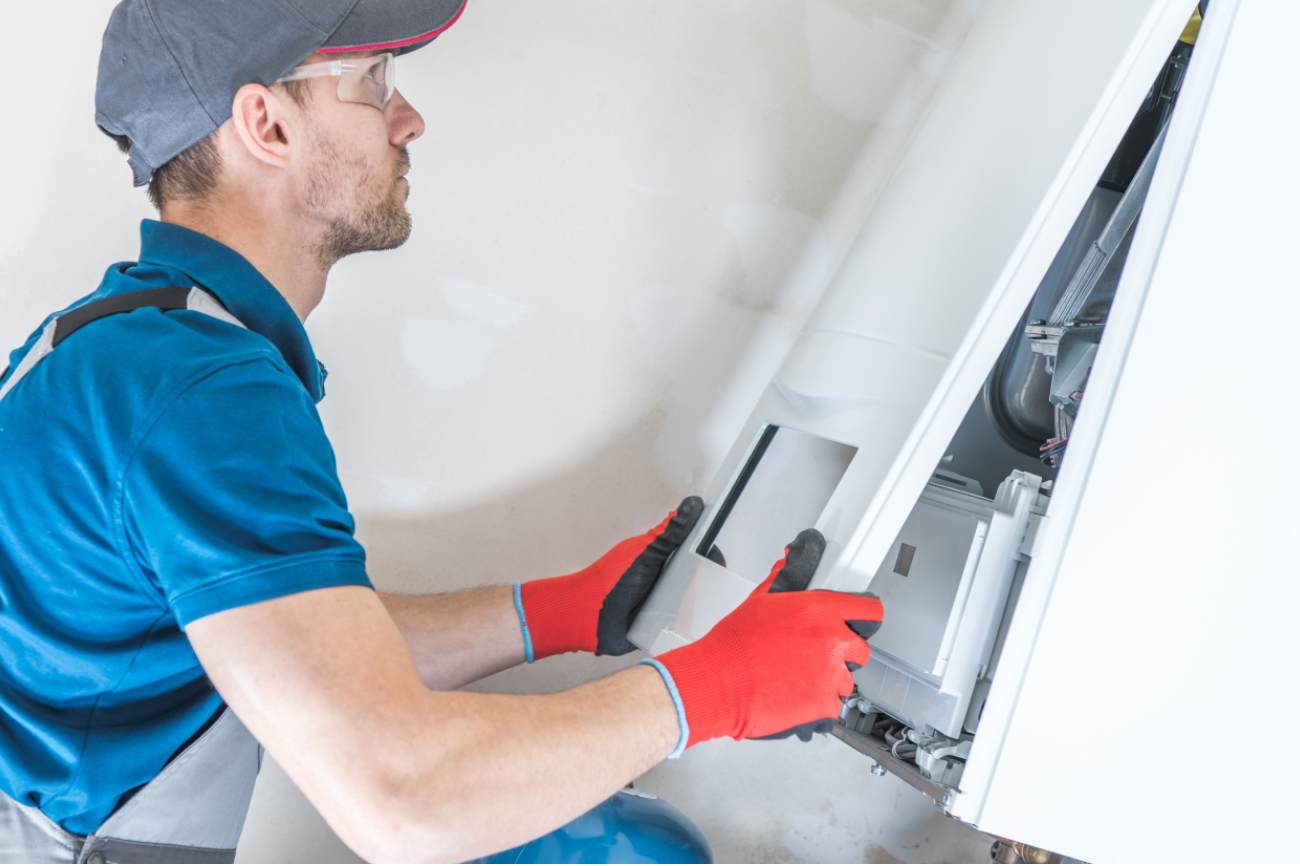
Moving a furnace a few feet is not a huge matter. However, moving a furnace to another room or different part of the house will probably cost a few thousand dollars. It's a major job involving numerous different professionals.
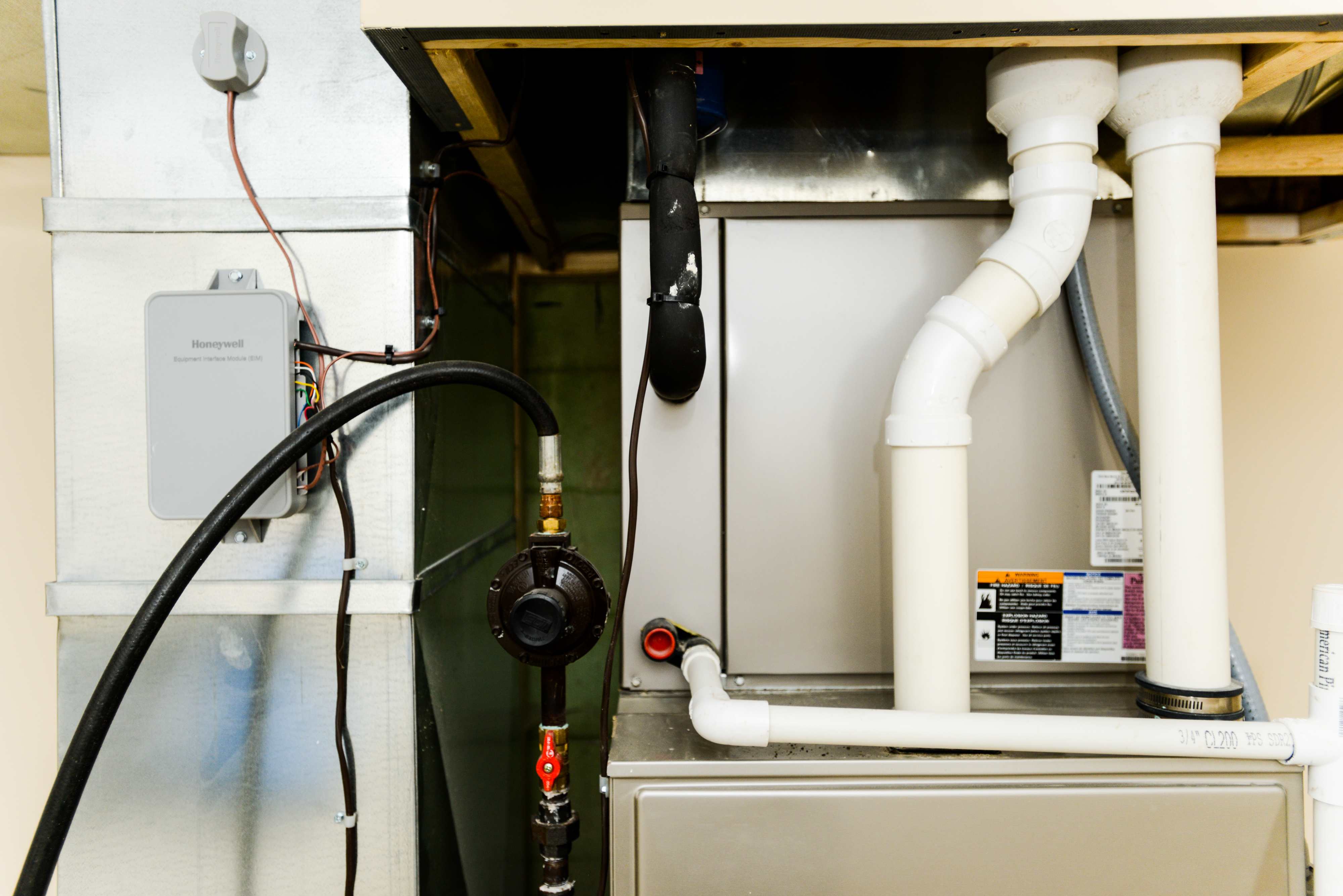
Discover the cost to install a propane furnace, including average prices, key cost factors, and tips to help you budget for your home heating upgrade.

Have you ever wondered how long thermostats last and whether it’s time to replace yours? Review this guide to find out if you need a replacement.
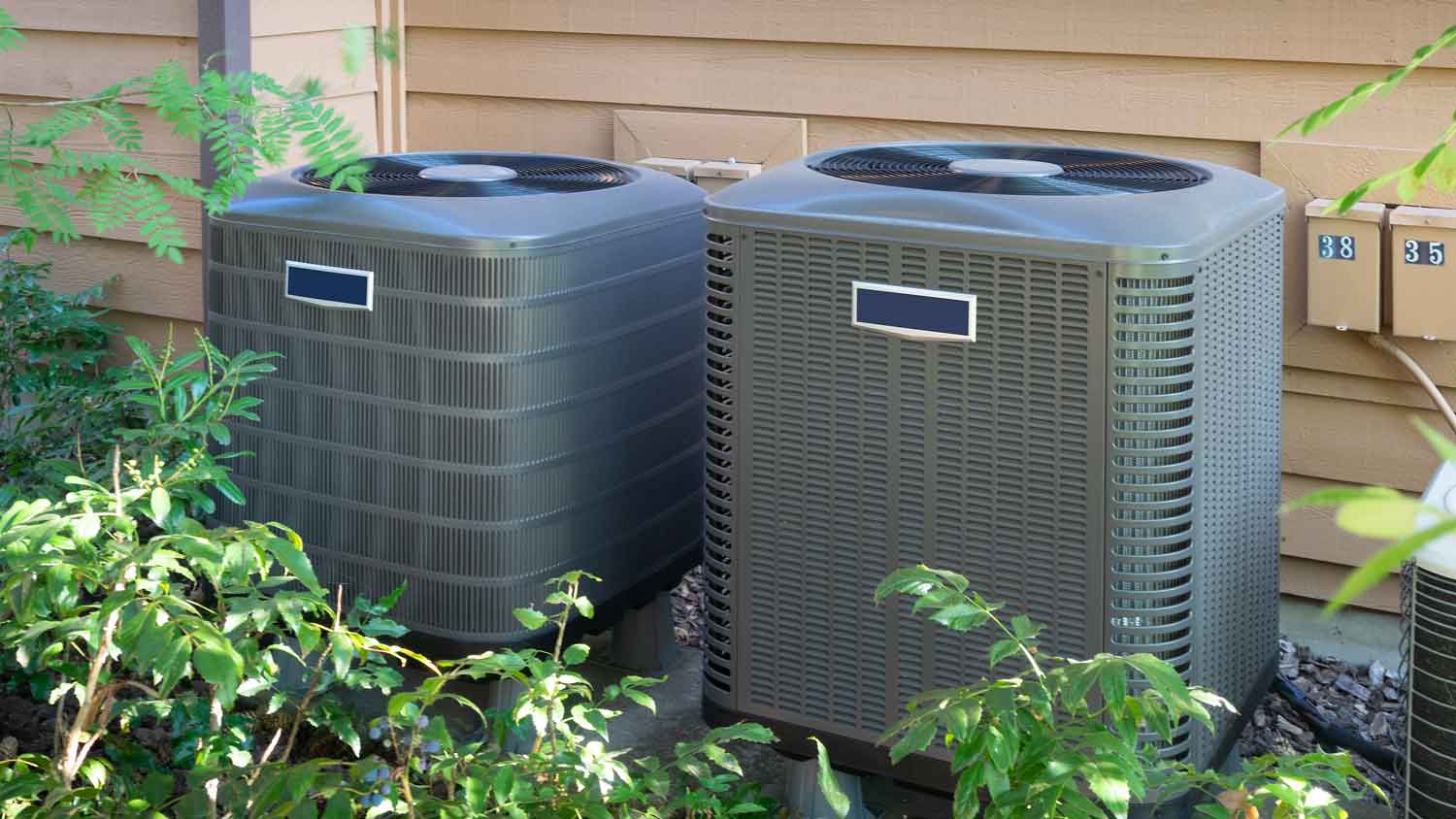
Wondering how long AC units last? Check out this helpful guide with common signs it’s time to replace your AC unit.

Two-stage furnaces have some advantages over single-stage furnaces but, does it mean they are better for your home? Our comparison guide will help you decide.