

•
Discover the average electric boiler installation cost, key price factors, and ways to save. Get transparent, expert-backed estimates for your project.
Heating and air conditioning service costs depend on your project and location. Check with a local pro for your specific job.

Boiler installation costs $600 to $12,000, with an average of $5,911, based on your home size and fuel type.
Your fuel choice drives installation complexity and maintenance, oil boilers need more service than gas, propane, or electric.
You should budget for permits costing $150 to $300, plus gas line, electrical, or asbestos removal add-ons.
Hiring a local boiler installation professional ensures your system meets code, protects your warranty, and reduces gas leak risks.
Heating your home is vital, especially when returning from chilly days outside. Boiler installations cost about $5,911 on average, with some projects costing as little as $600 and others costing as much as $12,000.
An estimate of the cost of your boiler by your home’s square footage and boiler capacity goes as follows:
| Home Size | BTUs | Cost |
|---|---|---|
| 1,000 sq. ft. | 30,000–45,000 | $4,000–$6,200 |
| 1,500 sq. ft. | 45,000–68,000 | $4,500–$6,800 |
| 2,000 sq. ft. | 60,000–90,000 | $5,100–$7,800 |
| 2,500 sq. ft. | 75,000–113,000 | $5,600–$8,600 |
| 3,000 sq. ft. | 90,000–135,000 | $6,100–$10,000 |
Costs include materials and labor.
Fuel type will have a major impact on both your ongoing costs and how much you pay for a new boiler.
| Fuel Type | Price |
|---|---|
| Oil | $4,800–$9,000 |
| Gas | $4,000–$9,000 |
| Propane | $2,800–$7,500 |
| Electric | $1,800–$8,000 |
| Wood | $7,000–$16,000 |
Oil Boiler: Oil burns hotter than gas, so oil boilers are more efficient at heating homes. However, oil boilers require more maintenance than gas options, so keep things like long-term maintenance costs in mind before buying.
Gas and Propane Boiler: Propane and natural gas are common options for heating homes. In addition to the unit price, installation costs $1,000 to $3,000 and requires new exhaust lines, drains, and fuel lines.
Electric: Electric boilers are highly efficient and don't require some of the components that gas and oil boilers need, like exhaust vents. They take a long time to heat up but are an attractive option for tiny homes in warm climates.
Wood: Large, outdoor, wood-fueled boilers are options in rural areas that have easy access to wood.

Boilers are typically broken out by fuel type, but they can also vary in other ways—like their system types.
| Boiler Type | Cost |
|---|---|
| Conventional | $2,200–$7,000 |
| Combination | $2,600–$7,000 |
| System | $3,000–$6,000 |
| High-efficiency | $6,000–$11,000 |
Standard or Conventional Boilers: These boilers work by quickly heating water in pipes and sending it to taps. Standard units are one of the most popular choices for homeowners in large homes and floor heating systems.
Combination Boilers: Combination boilers are popular because they’ll give you access to hot water quickly. However, the supply tends to be limited due to the lack of a storage tank.
System Boilers: These work by keeping high-pressure hot water in a sealed cylinder, where it can be sent to multiple taps within the home simultaneously.
High-Efficiency Boilers: High-efficiency boilers are up to 98% efficient, which accounts for thousands of dollars in savings over the boiler's life. Standard boilers are around 80% efficient, ideal for cold climates.
Detailed boiler customization chooses BTUs based on your region and its climate. Warmer climates make it much easier to heat water, even for larger houses, so fewer BTUs are required. You can estimate your necessary BTUs by finding out which climate zone you live in.

Hiring a heating contractor will cost $100 to $250 for the initial assessment. Once the pro stars work, you can expect an hourly rate charge of $100 to $250 per hour on top of the cost of any necessary parts and the boiler itself.
In addition to the main costs of installing a boiler, you’ll also want to consider the following extras that could impact your total expenses.
Before you can install a boiler, you’ll need to acquire a permit. Most permits range anywhere from $50 to $300. The biggest cost factors include your location and whether your installation is for an existing home or a new build.
New builds tend to cost towards the higher end of the price range. You might also need to have an inspection, which runs anywhere from $40 to $75.
What happens to your old boiler? These units are too large and complicated for the average homeowner to move on their own. That’s why replacing a boiler also requires boiler removal costs.
Boiler removal pricing varies based on the type of boiler. For example, disconnecting gas lines is more complex than taking out an electrical heating unit. Old boilers from 50 years ago or longer are especially expensive to safely remove because of the risk of asbestos and other issues.
The price to install ducts is between $3,000 and $7,500 for 300 linear feet. Larger homes may cost up to $15,000 to install more ducts per linear foot, while smaller homes might fall under the average price range. Ductwork can add a significant price tag to your installation if you don’t already have one installed. However, when it comes to boilers vs. furnaces, boilers typically don’t have ducts, so you’re unlikely to have to pay extra for new ducts. Instead, most boilers tend to use water pipes.
If your home needs new insulation, the cost to install insulation is around $5,200. To save on insulation prices, you might not need to replace all of the insulation in your home. Instead, you might want to insulate your attic, crawl space, or basement to keep the heat inside your home and decrease how hard your boiler system will have to work to warm your house.
Installing new gas lines costs between $120 and $1,350 or $550 on average.
If you already have gas lines installed, you can circumvent these additional expenses. Anticipate spending between $15 and $25 per linear foot for labor and materials. The type of material you choose can hike up the price or save you money:
| Material | Cost per Linear Foot |
|---|---|
| Polyvinyl chloride (PVC) | $0.50–$1.50 |
| High-density polyethylene (HDPE) | $0.50–$1.50 |
| Copper | $1–$3 |
| Corrugated stainless steel tubing (CSST) | $2–$4 |
| Galvanized steel | $3–$8 |
| Black iron | $3–$8 |
Nobody likes having an electrical system that can’t handle the electrical load in their house. The cost to upgrade your home’s electrical system depends on what you plan on upgrading. Here’s a breakdown of the average costs of various electrical upgrades.
The cost to rewire a house: $1,500
Amp service upgrade cost: $1,350
If your contractor discovers the dreaded asbestos inside your home while removing an old boiler, the cost to remove asbestos is $2,100 on average, or between $1,150 and $3,000. If your entire house contains asbestos, you could spend anywhere from $15,000 and $30,000 to remove it. According to the Environmental Protection Agency (EPA), asbestos is a dangerous mineral that can cause cancer, so you’ll want to take action.
The cost to replace a thermostat is $175 on average. You might pay more depending on the type of thermostat you have for your boiler. For example, smart thermostats can run up to $300 on average.
Once your boiler is installed, you’ll need to factor in maintenance costs. There are several maintenance services that keep your unit running smoothly, including the following:
| Service | Average Cost |
|---|---|
| Tune-up costs | $400–$500 |
| Gas and oil boiler cleaning | $150–$500 |
| Flushing boiler | $200–$600 |
| Boiler inspection | $100–$300 |
| Boiler maintenance | $75–$125 |
The price of your new boiler depends on the size of your home, so you’ll need to know your square footage to calculate the size of the boiler you need.
Boiler sizes are measured by how much heat they give off, represented in BTUs (British Thermal Units). Find your BTU rating by multiplying your home’s square footage by the climate number representing your region in the table below.
| Cold Factor | Climate or Region |
|---|---|
| 25 to 40 | Hot and warm, e.g., the Southeast |
| 40 to 50 | Moderate, e.g., the mid-Atlantic |
| 50 to 60 | Colder climates, e.g., Pacific Northwest |
| 60 to 70 | Frigid climates, e.g., Northeast |
For example, if you live in a 2,000 square foot home in the mid-Atlantic, you’ll multiply 2,000 by the higher end of the cold range (in this case, 50) to figure out that you need a boiler with a capacity of 100,000 BTUs.
If a boiler is improperly installed, it can become extremely dangerous. That’s why you should always hire a local boiler installer to ensure a safe and efficient installation.
When you’re ready for a new boiler, contact a boiler installer for best results.
Pros can offer advice on whether a gas or electric boiler is right for you, and what size of boiler to install.
Pros handle the dangerous aspects of boilers, like the extreme pressure involved, gas lines, and more.
Boiler pros will ensure their work meets local building codes and guidelines for safe electricity, water line, and gas line installation, along with any necessary permits.
Boiler pros will manage alterations needed to switch from a very older boiler to a new model, including taking care of new plumbing and indicating where electricians need to upgrade wiring.
Pros will use professional tools to run boilers through water and temperature tests to make sure everything is functioning properly.
You should never try to install a boiler yourself. But you can take care of some of the small related tasks to save time and money.
Clean up around your boiler and remove all nearby objects to create as much room for the boiler pros as possible.
Learn the location of your electrical and water shutoffs so you can show them to the installer.
Empty old radiator and boiler water ahead of the installation.
Make plans to be without heat for a day or so, depending on your project timeline.
Decide if you want a boiler powered by electricity, natural gas, or propane. Ask your installer for recommendations based on other local installations.
Provide your boiler pro with an estimate of the square footage the boiler needs to heat.
If your boiler is very old, request an inspection to determine how much it will cost to convert to a modern boiler, including new radiators and piping.
See if you can repair your existing boiler before you decide to install a new one. You’ll spend between $200 and $600 on the cost of repairing your boiler, though in some cases, you can spend as much as $1,700. Compared to the $5,900 national average for replacing one, keeping the one you have could be more cost-effective.
If your boiler is over 15 years old, you should replace it. If you’re not sure if your newer boiler should be replaced, multiply your unit’s age by the cost of the repair. If the number is more than $5,000, replacing your boiler is more cost-effective.
The initial costs of a new boiler can be high. These tactics will help you save when picking a new model.
Compare several boiler installers: They may offer different quotes depending on availability, supply, and other considerations.
Switch to a more efficient boiler: Boilers are measured by the AFUE (Annual Fuel Utilization Efficiency) rating, which is a percentage-based comparison. The bigger the number, the more efficient the boiler. Increasing your AFUE by 15% or more leads to significant savings over time.
Stick to the same model: If saving on initial costs is a more important goal, look for the same brand and type of boiler. Switching to a different fuel source or a significantly different system requires new attachments, fuel lines, and more.
Look for discounts and incentives: Some installers offer discounts for a first-time installation with their company, or a discount if you sign up for a maintenance plan. Also, summer is considered an off-season for boiler installation and may yield more discount options.
Incentives and rebates: Federal and state governments can both offer rebates, as can local utility companies. Look up your address on the Energy Star website to see available incentives, and ask your installer what rebates are available in your area. A qualifying Energy Star-rated boiler can recoup 30% of the first $600 as a tax credit.
Make an insulation plan: If your home lacks proper insulation, you may be able to upgrade your insulation and choose a smaller, less expensive boiler than before. It’s an additional investment, but well worth it for long-term savings.
Installing a new boiler can increase your home's value by about 4% since it'll likely be an attractive selling point for interested buyers. New homeowners will rest easy knowing they won't have to replace their boiler for several years, and that they can rely on heat and hot water in the meantime.
Home is the most important place on earth, which is why Angi has helped more than 150 million homeowners transform their houses into homes they adore. To help homeowners with their next project, Angi provides readers with the most accurate cost data and upholds strict editorial standards. We’ve surveyed thousands of real Angi customers about their project costs to develop the pricing data you see, so you can make the best decisions for you and your home. We pair this data with research from reputable sources, including the U.S. Bureau of Labor Statistics, academic journals, market studies, and interviews with industry experts—all to ensure our prices reflect real-world projects.
Want to help us improve our cost data? Send us a recent project quote to [email protected]. Quotes and personal information will not be shared publicly.
If you’re good people wanting to do business with good people, hire Matt. He is a consummate professional and utterly competent. He installed a water heater in my home at a price that beat competitors by hundreds of dollars with a promise to support the unit for its life (even after its 6 yr...
 Greene's Plumbing Services
Corey Carr was great. I had damage from a recent storm and needed to have my mast and other components replaced. The project entailed coordinating with AEP, and Corey helped make a stressful situation a lot less stressful. I really appreciated his dedication to service and the job very well done.
 Mr. Electric of Columbus
This service was great. My air conditioner went out during the heat spell that we had. My husband has health issues and they came out that night and at 9:30pm the air conditioner was fixed and running. We are sooo very thankful, this is the company I will be using from now on and would...
 Mr. Mechanical Ohio
I normally do not leave reviews, but my experience with Worthington Air was extremely frustrating and disappointing. About 30 days ago, I had a consultation done for an HVAC replacement and was quoted approximately $15,079. Based on that quote, I applied for financing through their company...
 ARS Columbus Worthington Air
Great company! Price was competitive, technician showed up on time and completed the job (exterior electric Radon fan replacement) quickly. Would hire them again.
 MaGen Property Inspections and Radon Mitigation
Raven and crew does absolutely fantastic job. They are very professional if any concerns were to occur with any of her work she always took responsibility and finished out with a great job. I have worked with her business for a year and have always been satisfied. Very trusted business and...
 Creations of Transformation LLC
I would recommend this company to anyone! He showed up on time, was friendly, completed a very difficult repair on our dryer vent cover, was responsive, and pricing was extremely fair and competitive. I would have him back to do any of our repairs or cleanings without hesitation!
 U.S.A. Dryer Vent, LLC
Ace Fireplace Services' chimney sweep service is truly exceptional. They used advanced technology to ensure a thorough cleaning process, and my chimney has never looked better. I highly recommend their services.
 Ace Fireplace Services
The technician was very professional and friendly. He answered all my questions and was very thorough. He left the fireplace area very clean . He inspected from the roof and advised me as to other work that might need to be done. There was no pressure there. I was very satisfied with the...
 Supreme brick & chimney
On time, clean and finished fast. Windows seem sturdy and the finish is good. Caulking was done with no smudges. Would recommend.
 Window Depot USA of Central Ohio
From average costs to expert advice, get all the answers you need to get your job done.
Discover the average electric boiler installation cost, key price factors, and ways to save. Get transparent, expert-backed estimates for your project.
Get the facts on propane boiler installation costs. Learn what impacts your price, compare options, and budget confidently for your home upgrade.
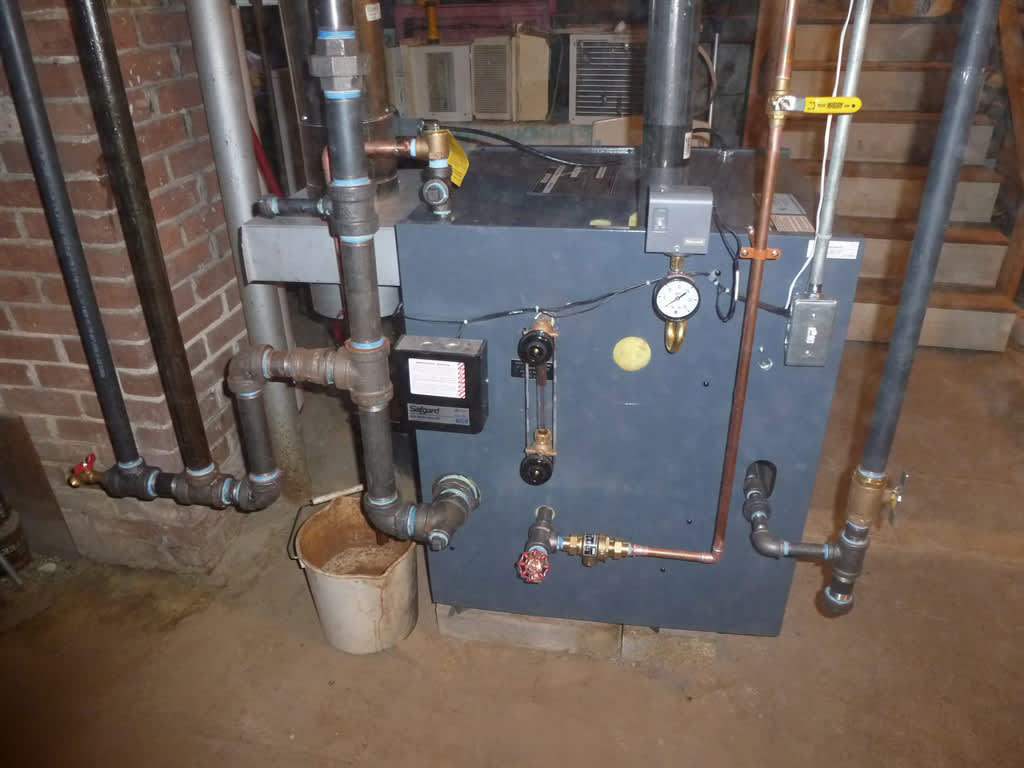
The cost of boiler repair depends on the specific issue. Read our expert guide, which breaks down boiler service costs so you can budget accordingly.
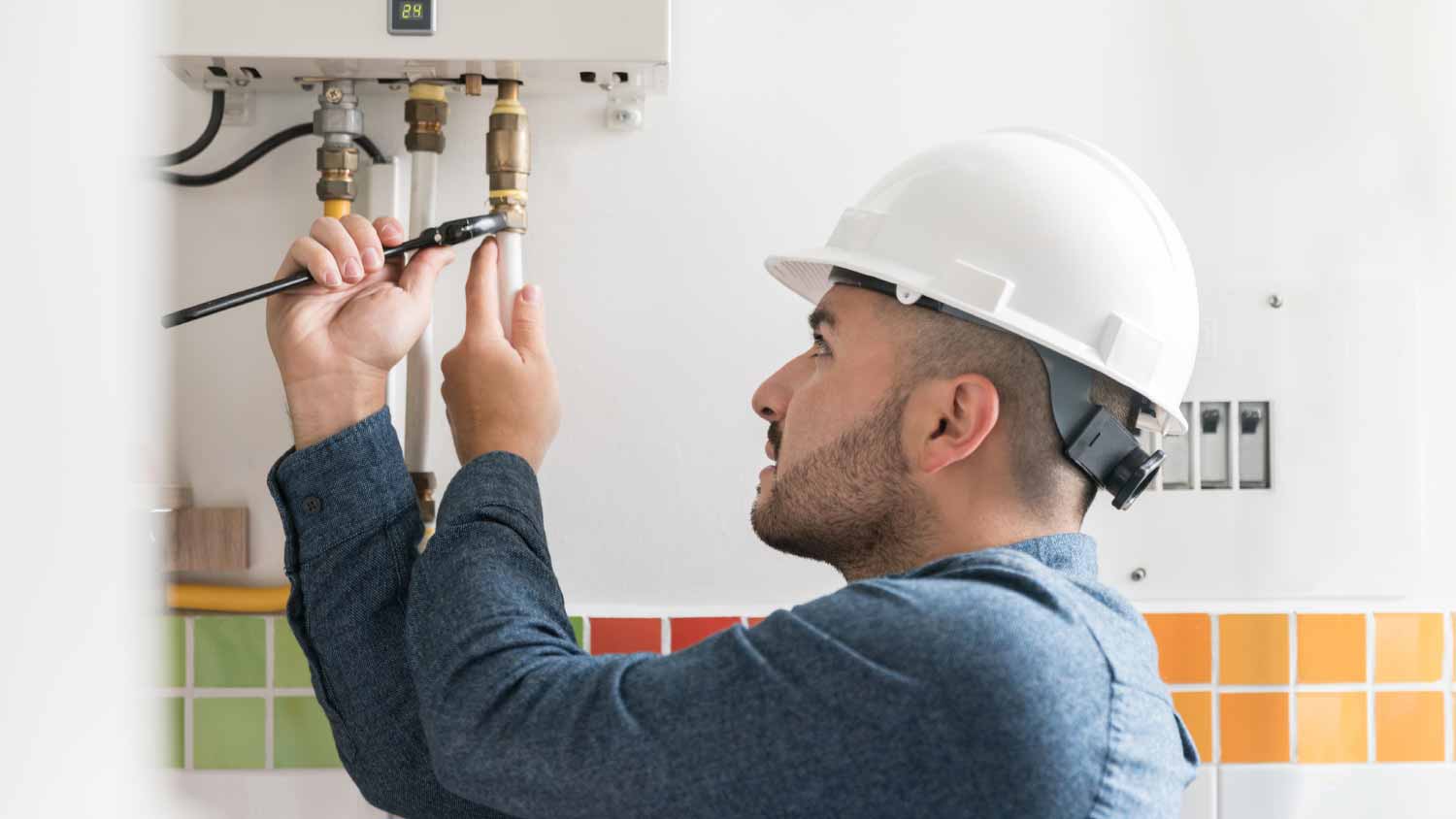
Looking for a qualified boiler installation pro? Learn how to find and hire the right professional, from credentials to questions to ask.
Is your heating system failing or leaking? Learn about radiator and boiler installation costs, warning signs, and how to hire the right local pro.
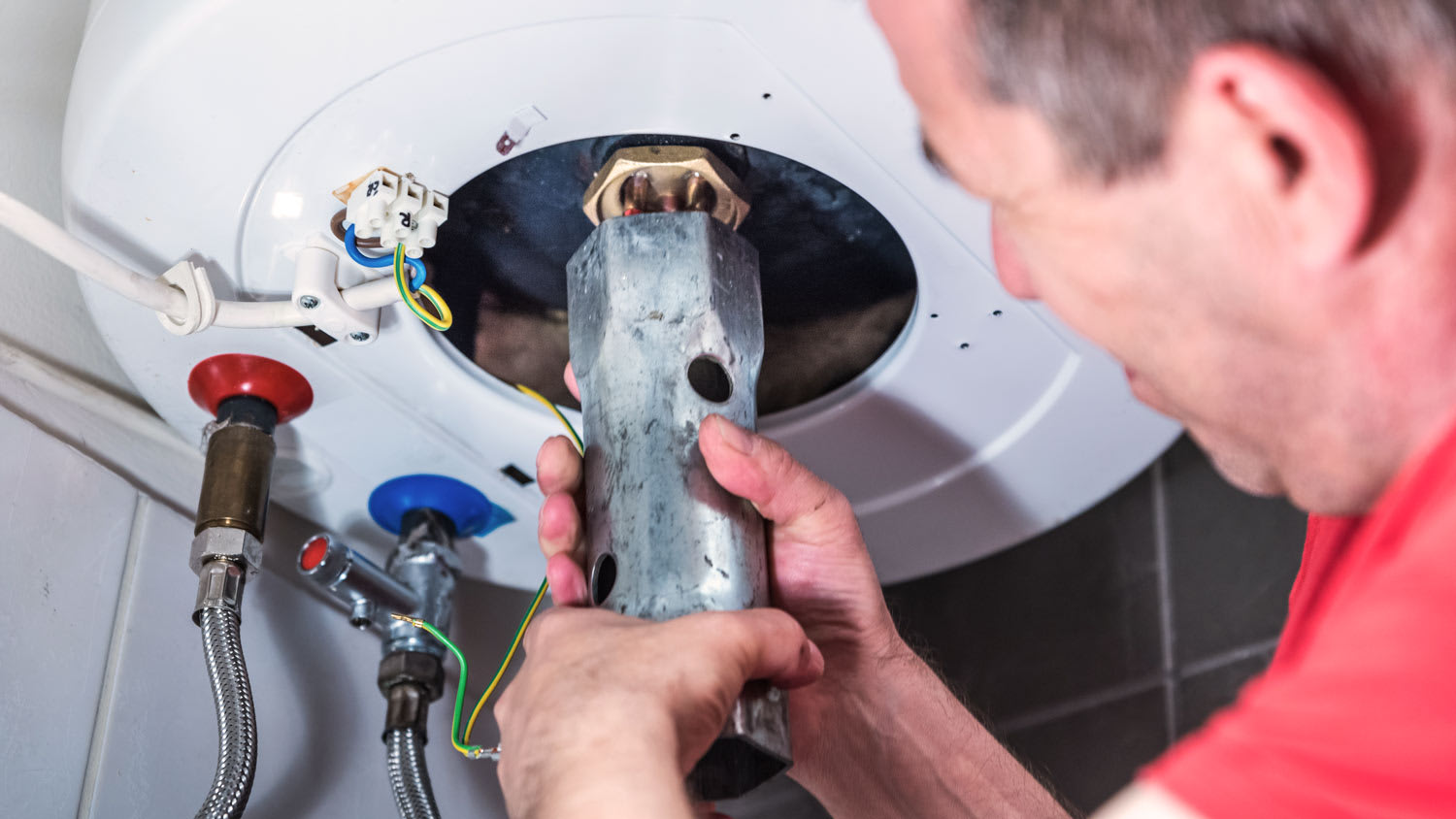
Need to hire a boiler repair company? Learn how to find qualified, licensed pros, questions to ask, and what to expect throughout the process.