
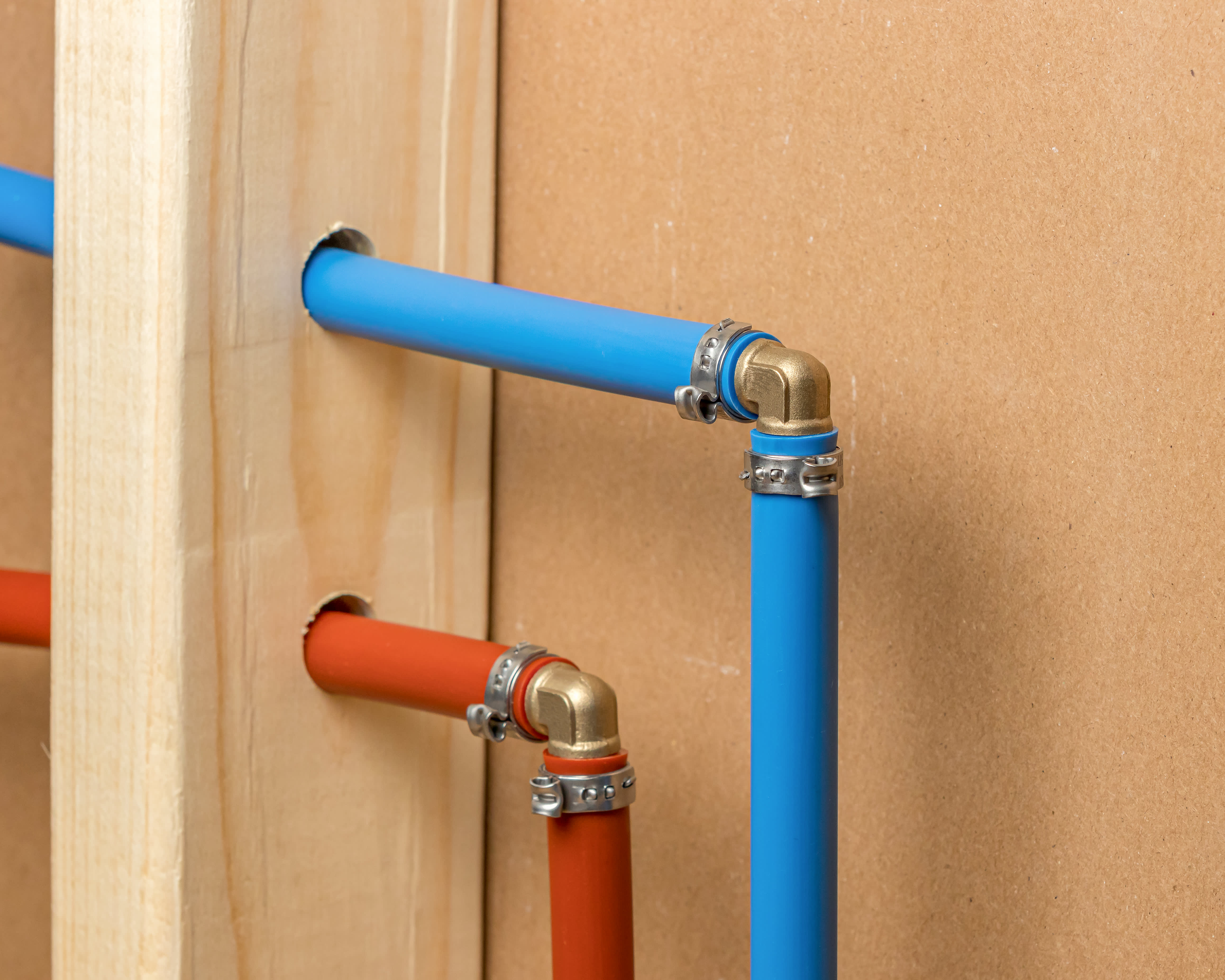
Having the right size PEX pipe is a must for your plumbing project. Learn about PEX pipe sizes and dimensions so you can choose the right one for your project.
Cold weather can wear out your PEX piping, but a few simple precautions can prevent major issues


PEX pipes can freeze when temperatures drop to around 20 degrees Fahrenheit, and repeated freezing and thawing cycles reduce your pipes' flexibility over time.
Burst pipe repair costs range from $200 to $3,000, while emergency plumber rates run $100 to $500 per hour, so preventing frozen pipes saves money.
Insulating your PEX pipes with foam protects them from freezing, especially in unheated spaces like garages where cold air reaches plumbing directly.
Hiring a local plumbing professional provides reliable help with burst pipe repairs and leak detection, keeping your home safe from water damage.
If you're installing a new plumbing system or retrofitting an old one, you’ve probably heard about PEX pipes. They’re affordable, work just as well as metal pipes, and are easier to install, making them popular with plumbers.
But just like with any other material, cold weather can mess with your PEX plumbing system. Here’s what you should know, plus five precautions you can take to avoid costly repairs caused by PEX pipe freezing.

PEX pipes are cross-linked polyethylene tubing, a highly flexible type of plumbing tube used in many home water systems. Due to its lower costs and malleability—which makes redesigns or tricky home layout installations much easier—PEX piping has become an extremely popular option. Some homeowners replace copper pipes with PEX plumbing for these reasons.
Cost less than copper and galvanized steel
Won’t corrode
Rated to last up to 100 years
Flexible design makes it easier to remodel
Has fewer connections than other types of piping
Unlike rigid materials like steel and copper, PEX piping stands up well to expansion caused by frigid temperatures. But pipe ruptures are possible if the weather gets cold enough. Still, you may be wondering: Do PEX pipes freeze?
While PEX pipes don't freeze as easily as copper, they can start to lose their flexibility when they repeatedly freeze and thaw. This makes them more susceptible to leaks or other issues that may lead to a frantic call to a local plumber.
PEX pipes will freeze if the temperature drops to around 20 degrees Fahrenheit or lower. If the pipes are not insulated, they may start to freeze closer to 32 degrees Fahrenheit, which is the freezing point of water. Insulated PEX pipes may be able to withstand some more chill.
Because they’re a type of plastic, freezing PEX pipes may be harder to notice than metal pipes that have iced over. Still, there are a few ways to tell if your PEX pipes are frozen.
When PEX pipes begin freezing, they may have a thin layer of frost on the outside. Be sure to inspect around the pipes, especially in areas with little (if any) insulation, like garages.
You turn on the faucet, and nothing comes out. Or maybe you turn the handle and just a tiny trickle of water comes out that is extra cold to the touch. This could mean the water inside part of the pipe is frozen, blocking any unfrozen water from coming out. If you don’t defrost a frozen drainpipe quickly, this can cause the pipes to burst. It can even lead to small leaks that go undetected until mold, foundation, and wood rot issues develop.
Although PEX pipes aren’t as likely to burst as other pipes, there’s still a chance they could. When this happens, the pipes may leak, leaving behind water damage in the cabinets or on the floor. You might hear the dripping sound of a leaky pipe or find water damage, both of which could be signs that the pipes have frozen and are bursting.

Here are five proactive steps you can take to keep your PEX plumbing from freezing during the winter.
If you live in a cold climate, you need insulation around your pipes, especially the areas where your pipes are directly exposed to the elements. Even homes in mild climates can find pipe insulation to be worth it. All it takes is one unexpected freeze to cause costly damage, and pipe insulation is a relatively affordable project.
Because PEX piping is flexible and often used to wrap around corners, foam or another malleable insulation material is the best pipe insulation to prevent freezing. And, not only is it a bad idea to install PEX pipes without insulation, but it could also easily be a plumbing code violation in your state. So check your local guidelines.
Wondering at what temperature do pipes freeze? When the weather gets below 20 degrees Fahrenheit, maintain a temperature of at least 55 to 60 degrees Fahrenheit in your home. This may raise your heating bill a bit, but warm weather inside can keep the internal temperature high enough to prevent pipes from freezing.
Turning faucets on and allowing a small trickle of water to flow can help prevent pressure from building up in the pipes. If ice is starting to form, a small flow of liquid will also help it melt.
“Hot water usually freezes faster than cold water,” says Joseph Wood, Expert Review Board member, master plumber, and founder of Boston Standard Company in Mattapan, MA. “This seems counterintuitive, but it’s true. For that reason, make sure you trickle both the hot and cold lines.”
Winterizing your home is a good way to protect your plumbing, especially in seasonal, unoccupied, or infrequently visited homes.
Winterization techniques include:
Sealing cracks
Having a professional check on your furnace or boiler
Cleaning out gutters
Replacing batteries in detectors
Unplugging appliances
Adding insulation to any vulnerable pipes or areas
If you’ll be away from home for weeks or months at a time, turn off your water and drain the pipes before leaving, or consult a plumber to disassemble fixtures that might have water remaining in them. After all, pipes can still freeze and cause damage even with the water turned off.
For those designing new houses or retrofitting your home’s plumbing system, take the proactive approach with your PEX pipes by routing them through your home’s interior instead of outside, since inside temperatures are generally warmer.
Again, consult a plumber first. It’s against plumbing codes to run water lines in unconditioned spaces, but it does happen. If you have this issue, rectify it immediately. Average emergency plumber costs range anywhere from $100 to $500 per hour. Emergency plumbers charge 1.5 to three times more than standard plumbing rates, but this higher rate could save you thousands of dollars on water damage restoration costs, which can cost upward of $6,200.
As a general rule, it's best to run pipes in spaces that will be kept above freezing, preferably inside a wall with at least one side facing a heated living space. Strategically repiping a house may add value to a home with old pipes that would otherwise detract from the sellability of the home.
If your PEX pipes are already like popsicles, here’s what you can do to thaw them out:
Shut off your main water supply.
Run the faucets connected to the piping until they empty.
Hold a hair blower several inches from the frozen pipes.
Check repeatedly to see if they’ve thawed.
If you notice a crack in your PEX piping, call a plumber. Oftentimes, incorrect installation or faulty repairs of PEX piping lead to further issues, which could ultimately cost you more in the long run.
If your PEX pipes burst, you should treat it as a plumbing emergency and resolve the issue immediately. Though you might be tempted to tackle the problem yourself to save on labor costs, this job is best left to the pros. Plumbing codes can be strict, and some locations even require a licensed plumber near you to come in and fix the problem depending on the issue and solution.
In addition, if you don’t have the experience to detect small leaks, finding and successfully repairing or replacing numerous frozen PEX pipes can be like finding a needle in a haystack.
Burst pipe repair costs range from $200 to $3,000, with most projects falling around $500 on average. Fortunately, PEX pipes cost less to replace than other water line materials, coming in at around $0.40 to $2 per linear foot, so you might pay less than the national average. A professional plumber costs between $45 and $200 per hour, depending on local living costs, your pro’s level of expertise, and the project scope.
Positive experience. As previously stated, the replacement/repair could not be completed (no fault of the plumbing tech) b/c misinformation was rec?d by property management maintenance. Thanks to the plumbing tech for your efforts. Appreciate you!
 The Waterworks
If you want to pay the most exorbitant prices possible for your job, this is the company for you. “By the job” pricing is a rip-off, at least how these people use it. Every job is plugged into a category and prices are set by category. You might have a job that takes half an hour or one that...
 Benjamin Franklin Plumbing
Cole has been handling plumbing and general contracting for our four properties over the past three years, and he’s always done a great job. Most recently, he installed a sink and countertop in our retail store where none existed before, and it turned out exactly how we needed. He’s...
 ANB Renovations LLC
Matt is a consummate professional. The work turned out to be far more difficult than expected and rather than turn the job down, Matt rose to the occasion and completed a near impossible task. I can not recommend Greene's Plumbing Service more highly. On a scale of 1-5 I would give Matt a...
 Greene's Plumbing Service
Involved an extensive bathroom remodel, including removing tub & installing walk in shower, new drywall, custome tile work to ceiling, plumbing, etc. Overall, job was done on time and on budget. Nick & his team were very professional and had high attention to detail. Quality was great. Highly...
 Stamos Flooring and Remodeling LLC
Awesome company. Had a jacuzzi tub taken out and replaced with huge walk in shower with partial glass enclosure. Onyx to the ceiling with a decorative border, moved plumbing and installed hand held shower, new ceiling, flooring, and paint. Replaced window with glass block. Everything was done...
 Columbus Bath Design
The initial quoted price from a walk-through seemed high, but we discussed that the quote represented worst case scenario (re-wiring to two floors) and we were excited about the opportunity to have the work done in a timely manner with closing for fire safety reasons, etc. When the job was...
Initially, I called the Service People to have a leaking garbage disposal replaced. I had purchased a special deal through Angie's List: $79 for $200-worth of plumbing services. <br /> When I went to schedule the work, the earliest date I could get through Angie's List was after the upcoming...
This company did a very good job on the brick wall and it looks just amazing. The staff was always professional and was practically OCD on how the bricks were stacked and how they were laid. Although it took longer than expected, I am willing to sacrifice time over perfection anyday. The...
 My Handy Mate LLC Improvement & Remodeling
<p>I am so glad we called Rotor-Rooter. I was hesitant to call them because we usually prefer to give business to local providers. But when we had sewage back up in our basement on a Saturday evening, I had a hard time getting a hold of someone, not to mention the high weekend/evening rate...
 Roto-Rooter Plumbing & Water Cleanup
From average costs to expert advice, get all the answers you need to get your job done.
Having the right size PEX pipe is a must for your plumbing project. Learn about PEX pipe sizes and dimensions so you can choose the right one for your project.
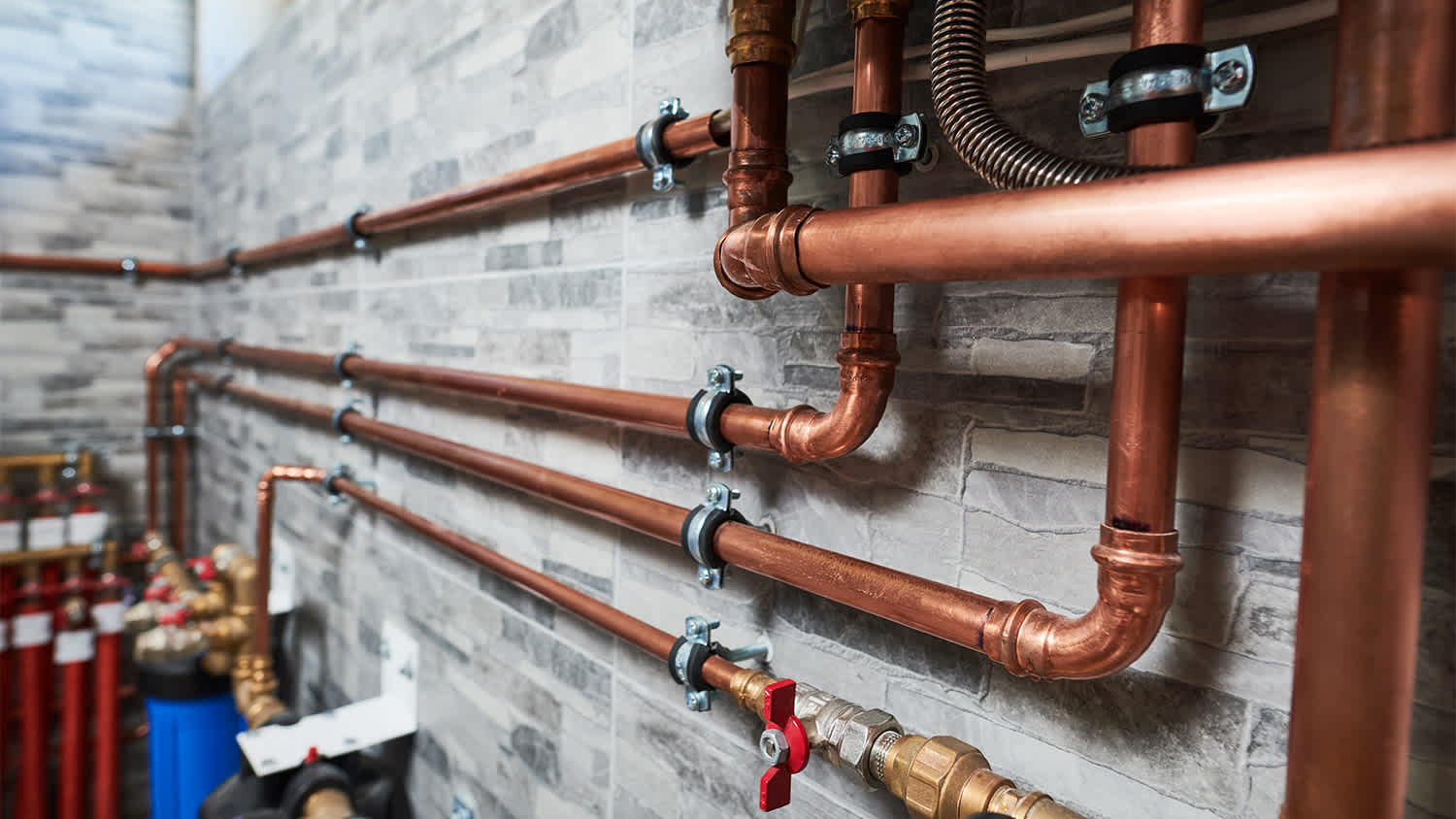
Learn how to choose between PEX versus copper by learning about the pros and cons of both of these popular residential plumbing options.
Considering replacing your copper pipes with PEX? Before making the switch, consider the pros, cons, and costs of these plumbing pipes.
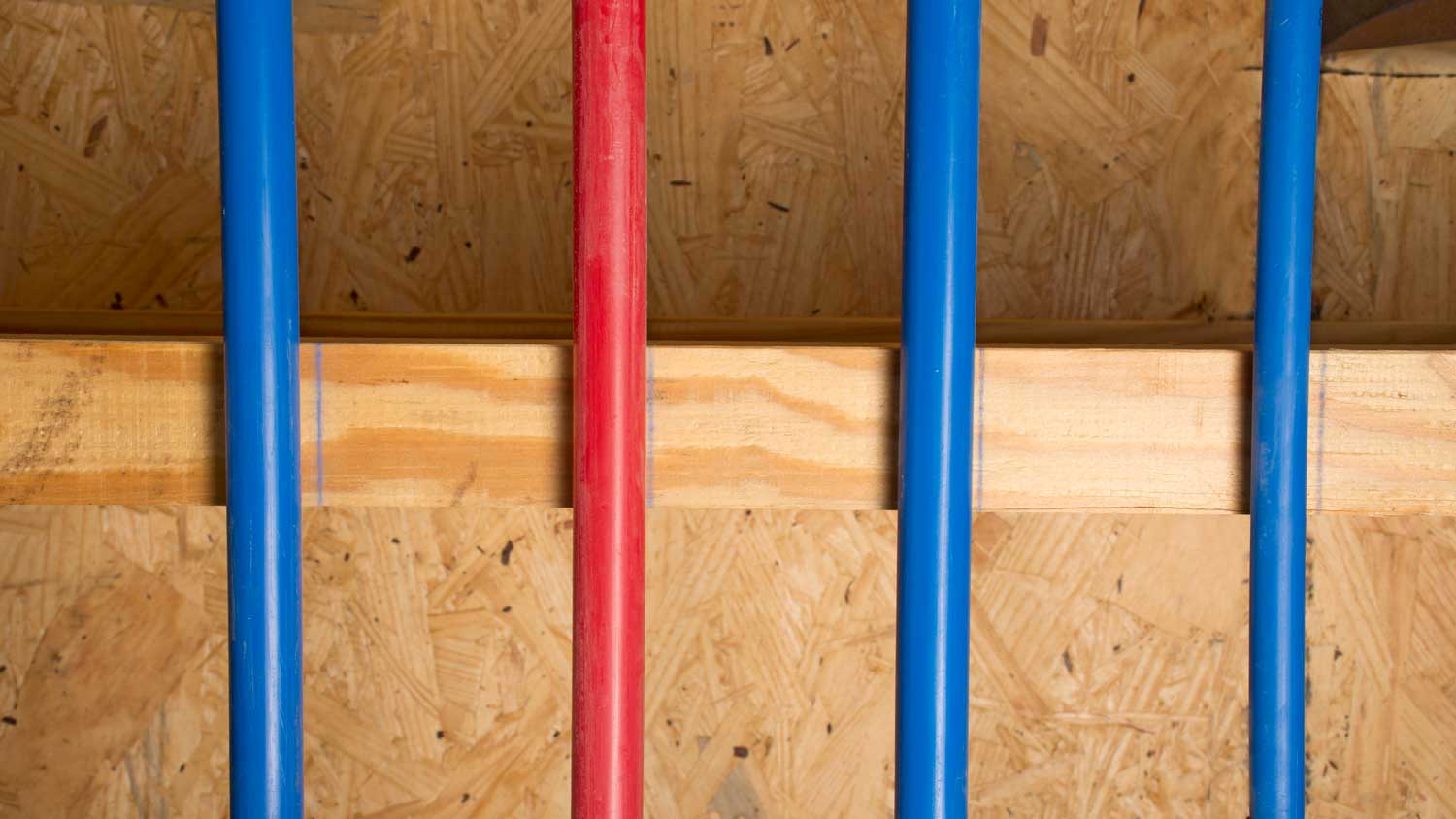
PEX pipes are color-coded, plastic pipes that are easy to work with for home plumbing. Consider retrofitting your own plumbing system with this unique material.

Copper pipes freeze more easily than most plumbing types. Use this guide to learn why and how to prevent or fix frozen copper pipes.
PEX pipes are easier to install and less likely to burst and leak than copper, but is PEX safe for drinking water? Find out in this handy guide.