
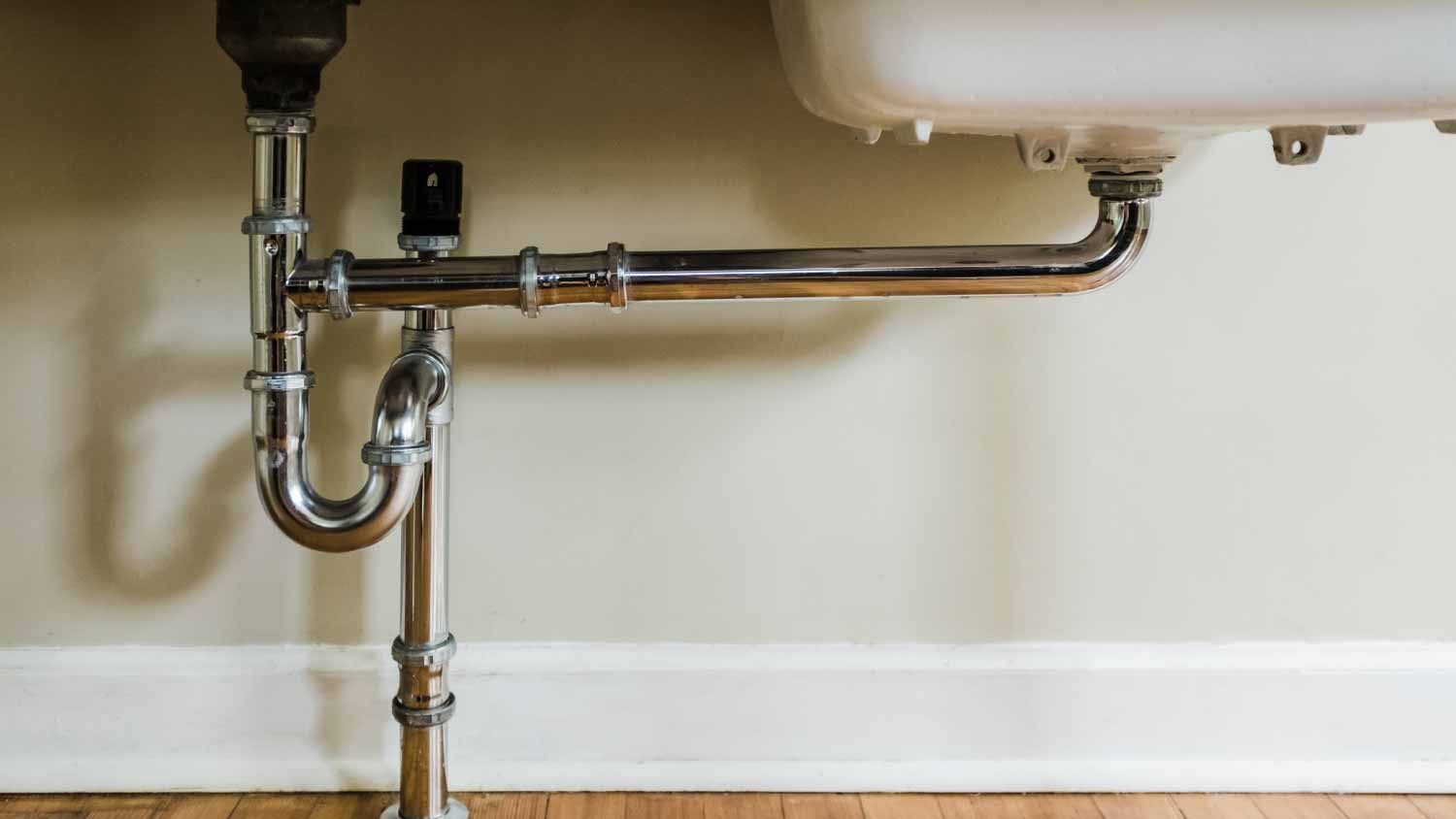
We’ll show you how to keep pipes from freezing in the winter and how to thaw yours before they burst.
Don’t freeze up when winter rears its head

Pipes freeze when temperatures drop below 20 degrees for six hours, though your pipe location and insulation level affect how quickly freezing happens.
Expect to pay $500 on average for burst pipe repairs when you hire a plumbing professional to fix the damage and prevent future issues.
Keep your heat above 55 degrees and let your faucets drip when temperatures drop below freezing to protect your pipes from cold damage.
Hiring a local plumbing professional provides reliable support for thawing frozen pipes safely and completing burst pipe repairs before water damage spreads through your home.
If a cold front is about to strike, you may be wondering if your pipes are at risk of freezing. While water freezes at 32 degrees Fahrenheit or lower, what temperature pipes freeze at depends on multiple factors. In addition to outdoor temperatures, whether pipes will freeze depends on location, how insulated they are, where you live, and how long the temperature stays at or below freezing. Here’s everything you need to know about frozen pipes, how to prevent them, and what to do if it happens.
Thawing a frozen pipe before it bursts is crucial. We recommend contacting a plumber to ensure your pipes are thawed effectively. If a pipe were to burst, it would likely require an expensive repair.

Pipes run the risk of freezing at temperatures below 32 degrees, especially if they're not insulated, but most insulated pipes start to freeze at 20 degrees or below. When temperatures drop below 20 degrees, it usually takes six hours for insulated pipes to freeze, while temperatures between 20 and 32 degrees are likely to freeze pipes after about 12 hours. Knowing how long a freeze can take to set in can help you keep your pipes from freezing.
| Temperature (F) | Temperature (C) |
|---|---|
| 32 degrees | 0 degrees |
| 20 degrees | -6.6 degrees |
| 0 degrees | -17.7 degrees |
Remember that these are outdoor temperatures rather than your pipes’ temperatures. In other words, an outdoor temperature of 20 degrees isn’t necessarily going to cause the pipes on your property to freeze.

When water freezes, it expands, which can create pressure in your pipes and cause them to burst. So your pipes can potentially burst when temperatures drop below 32 degrees. However, the time it will take for them to burst depends on just how cold it is and for how long. A quick cold snap isn't likely to make them burst, but if temperatures are very low for more than four to six hours, your pipes can burst.
The weather forecast is in, and you see upcoming prolonged periods of below-freezing temperatures. Even with the most ambitious measures, your pipes can still freeze, so knowing how to find frozen pipes can help you prepare for worst-case scenarios.
Keep an ear out for whistling or clanking sounds inside pipes, and pay attention to suspicious smells. Inspect accessible pipes to look for bulging, cracking, ice, drips, and water spots on the ceiling or walls.

Prevention is the best way to protect your pipes from bursting and costing you hundreds, if not thousands, in repairs. Here are some tips for preventing a plumbing emergency as part of your home winterization routine:
Install insulation for exterior pipes and pipes close to walls, windows, and attics.
Insulate and winterize outdoor faucets.
Keep your heat above 55 degrees.
Leave your cabinets and doors open for airflow.
Drip your faucets.
Disconnect hoses from your outdoor pipes.
When water freezes, it expands, leading to burst pipes. At the first sign of frozen pipes, take action to thaw your pipes. Here’s what to do if your pipes freeze:
Keep your faucets on (even if the water stops coming out).
Use a hair dryer, space heater, electric heating pad, or hot towels to thaw the pipes.
Continue to apply heat until water comes out of your pipes again.
Check all other faucets to find frozen pipes and repeat these steps if necessary.
Just a note: You should never attempt to thaw a frozen pipe using an open flame, as this can be extremely dangerous. It’s also not a good idea to pour boiling water down a drain pipe or on the outside of pipes, as this water can freeze and make the issue worse.

As confusing as it may be to figure out which temperature will cause your pipes to freeze, there are several ways you can determine whether your home is at risk of freezing pipes come winter.
Your geographic location: Where you live impacts your home’s design and can impact the temperature at which your pipes freeze. Homes in the North, for instance, are designed to protect against freezing, while homes in the South aren’t as well insulated.
Pipe location: Pipes located on the exterior of the home are more susceptible to freezing temperatures. Exposed pipes may freeze after a few hours in 20 degree temperatures, but it can take longer in 32 degrees or higher—sometimes around half a day. Interior pipes are less likely to freeze, but they’re still susceptible if they’re on an exterior wall and may freeze after 2 to 3 hours. Pipes further inside the home can take 6 hours or more to freeze in temperatures below 20 degrees.
Level of insulation: According to Energy Saver, the best pipe insulation to prevent freezing can raise your water temperature by 3 to 4 degrees. You can insulate pipes with heat tape or different forms of insulation: spiral-wrap, fiberglass, spray foam, and self-sealing foam.
Type of pipes: Some pipes simply freeze faster than others. Copper pipes freeze faster than PEX piping, which has more freeze resistance. Copper is a good conductor of heat, so heat loss occurs faster.
Overall temperature: If the temperature only drops below freezing for a few hours, your pipes might not have enough time to freeze. On the other hand, sustained temperatures below 20 degrees—especially for six or more hours—will likely result in frozen pipes without preventative measures.
Taking steps to prevent your pipes from freezing can be a DIY job, but if a pipe bursts, you’ll need to hire a pro. You can prepare for cold temperatures by disconnecting hoses from outdoor pipes, winterizing outdoor faucets, and insulating pipes close to the home’s exterior. Opening your cabinets and dripping your faucets if temperatures dip below 20 degrees can also reduce the likelihood of your pipes freezing.
If a pipe does end up bursting, hire a local plumber to assess the situation and complete the repairs. They’ll be able to locate the burst pipe, ensure the other pipes are in good condition, and offer suggestions for preventing the problem in the future.
The cost to repair a burst pipe is $500, on average, if you choose to hire a plumbing repair pro. While you might think you can DIY this repair to save money, we highly recommend hiring a plumber to understand the root cause of the issue causing the pipe to burst and ensure that the job is done correctly the first time. Plumbing repair mistakes can lead to water damage and further problems—all of which will likely cost more than if you hired a professional to fix the issue from the get-go.
Positive experience. As previously stated, the replacement/repair could not be completed (no fault of the plumbing tech) b/c misinformation was rec?d by property management maintenance. Thanks to the plumbing tech for your efforts. Appreciate you!
 The Waterworks
If you want to pay the most exorbitant prices possible for your job, this is the company for you. “By the job” pricing is a rip-off, at least how these people use it. Every job is plugged into a category and prices are set by category. You might have a job that takes half an hour or one that...
 Benjamin Franklin Plumbing
Cole has been handling plumbing and general contracting for our four properties over the past three years, and he’s always done a great job. Most recently, he installed a sink and countertop in our retail store where none existed before, and it turned out exactly how we needed. He’s...
 ANB Renovations LLC
Matt is a consummate professional. The work turned out to be far more difficult than expected and rather than turn the job down, Matt rose to the occasion and completed a near impossible task. I can not recommend Greene's Plumbing Service more highly. On a scale of 1-5 I would give Matt a...
 Greene's Plumbing Service
Involved an extensive bathroom remodel, including removing tub & installing walk in shower, new drywall, custome tile work to ceiling, plumbing, etc. Overall, job was done on time and on budget. Nick & his team were very professional and had high attention to detail. Quality was great. Highly...
 Stamos Flooring and Remodeling LLC
Awesome company. Had a jacuzzi tub taken out and replaced with huge walk in shower with partial glass enclosure. Onyx to the ceiling with a decorative border, moved plumbing and installed hand held shower, new ceiling, flooring, and paint. Replaced window with glass block. Everything was done...
 Columbus Bath Design
The initial quoted price from a walk-through seemed high, but we discussed that the quote represented worst case scenario (re-wiring to two floors) and we were excited about the opportunity to have the work done in a timely manner with closing for fire safety reasons, etc. When the job was...
Initially, I called the Service People to have a leaking garbage disposal replaced. I had purchased a special deal through Angie's List: $79 for $200-worth of plumbing services. <br /> When I went to schedule the work, the earliest date I could get through Angie's List was after the upcoming...
This company did a very good job on the brick wall and it looks just amazing. The staff was always professional and was practically OCD on how the bricks were stacked and how they were laid. Although it took longer than expected, I am willing to sacrifice time over perfection anyday. The...
 My Handy Mate LLC Improvement & Remodeling
<p>I am so glad we called Rotor-Rooter. I was hesitant to call them because we usually prefer to give business to local providers. But when we had sewage back up in our basement on a Saturday evening, I had a hard time getting a hold of someone, not to mention the high weekend/evening rate...
 Roto-Rooter Plumbing & Water Cleanup
From average costs to expert advice, get all the answers you need to get your job done.
We’ll show you how to keep pipes from freezing in the winter and how to thaw yours before they burst.
Copper pipes freeze more easily than most plumbing types. Use this guide to learn why and how to prevent or fix frozen copper pipes.
If the temperatures plummet below 20 degrees, you should pay attention to your home’s pipes. Learn what to do if pipes freeze, and how to prevent them from bursting.
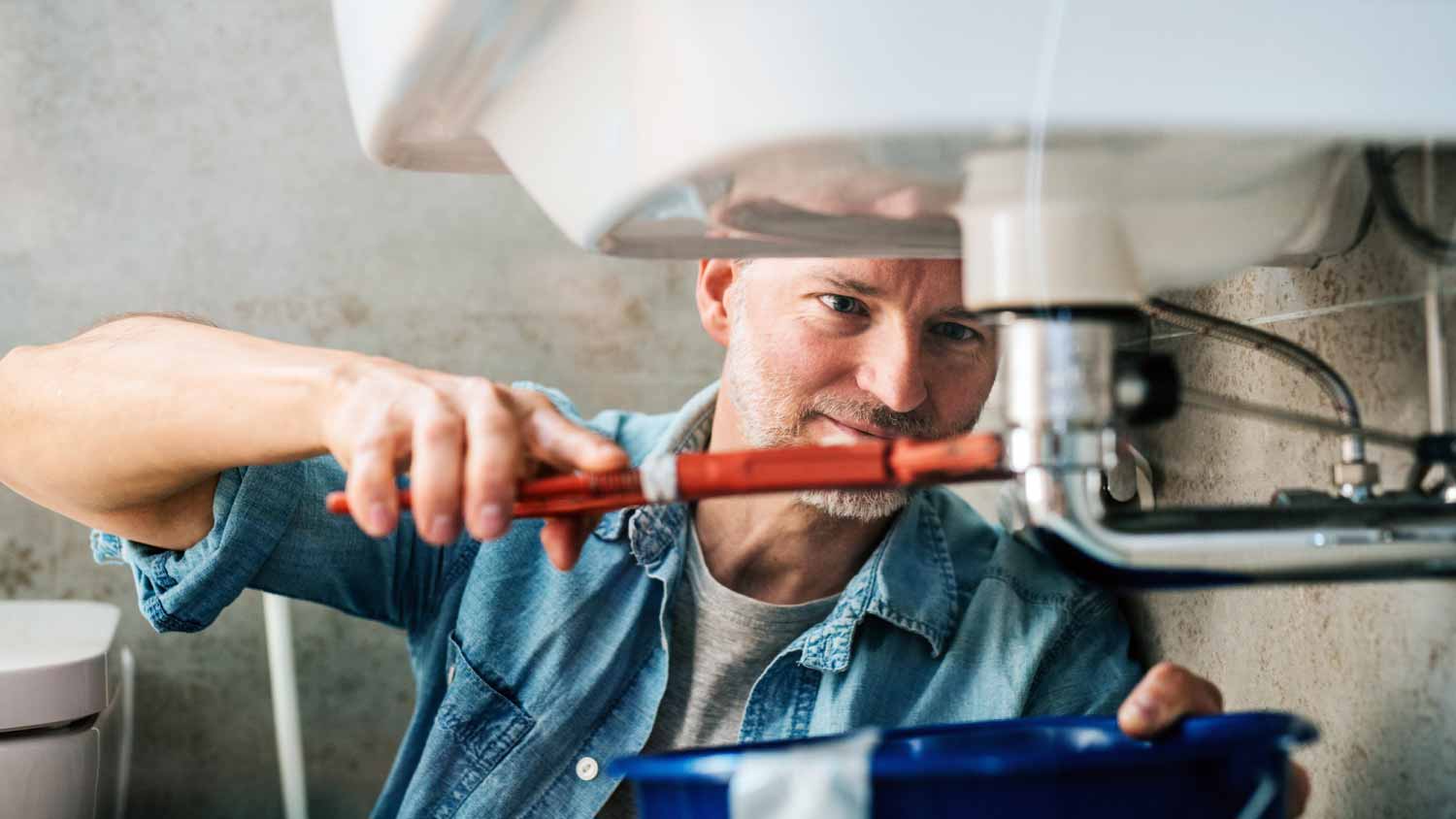
Many homeowners wonder if PEX pipes can withstand winter weather as well as copper pipes. Learn how to prevent plumbing damage from PEX pipes freezing.
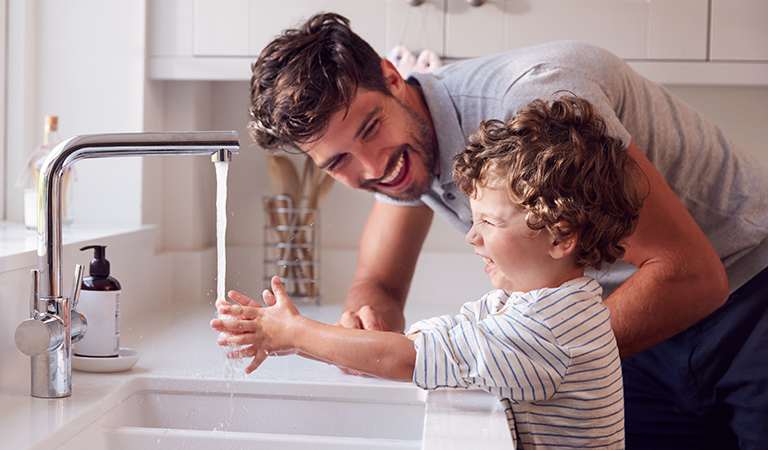
When winter rolls around, water can freeze in your pipes and cause serious damage. This guide covers when to drip faucets and which faucets to drip.
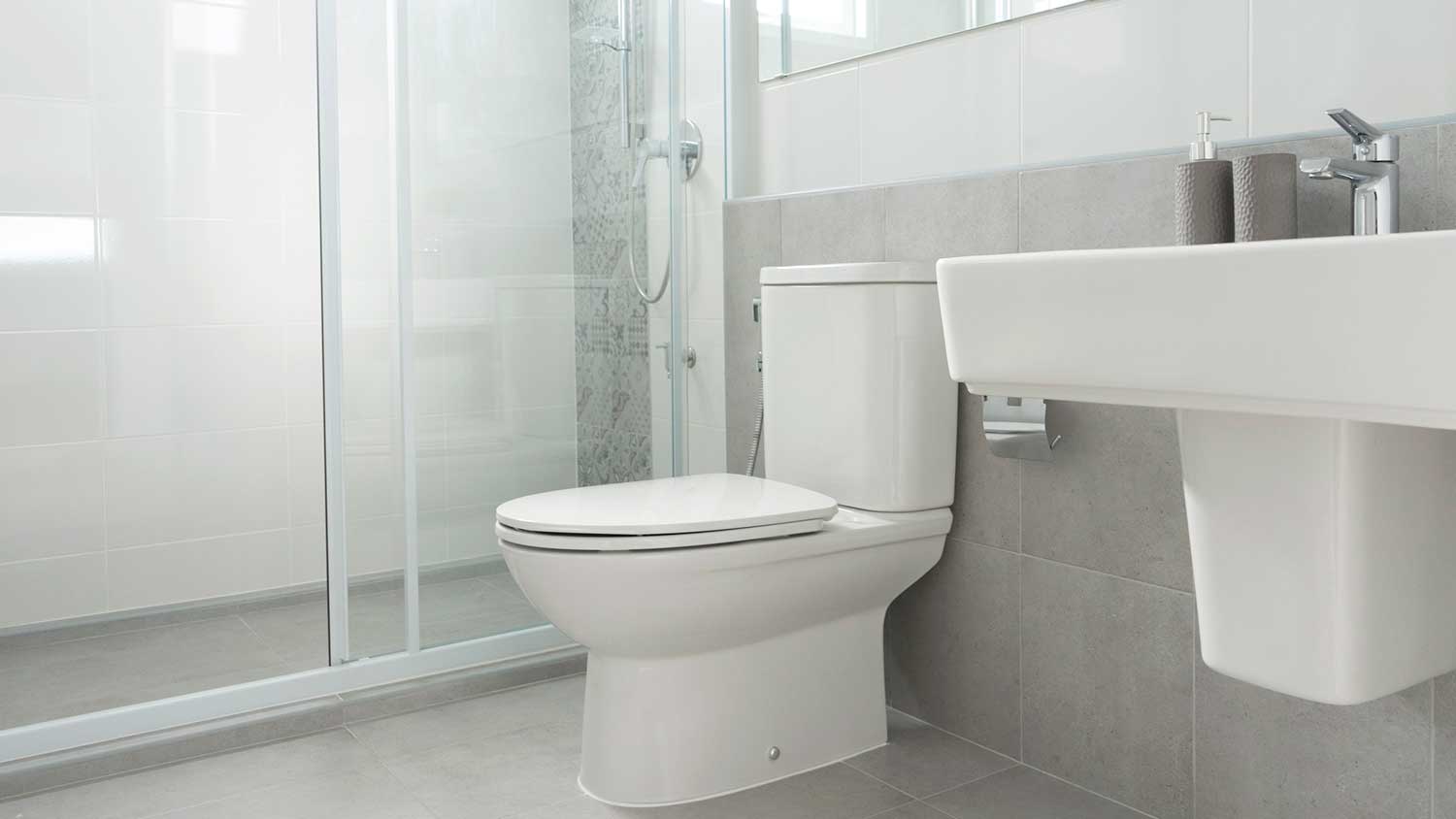
If your toilet won’t flush on a frosty morning, you may have a frozen toilet. Here’s how to tell and some tips for thawing it out.