






Top-rated arborists.

Get matched with top arborists in Winnebago, NE

Enter your zip and get matched with up to 5 pros

Need a pro for your arboricultural service project in Winnebago, NE?

Select your specific project to find the pro for you.

Find Arborists in Winnebago

Arborists questions, answered by experts

In most ways, palm trees are incredibly low-maintenance. They don’t need a ton of water—which is why they’re so beloved in desert regions—and they basically prune themselves. But they do need an ample supply of sunlight and to be in soil that will allow for proper drainage so that their roots don’t become waterlogged and at risk of developing illnesses.

If the plant begins to wilt, develop spots, or change color, these could all be signs that your palm tree has a disease. But a few basic treatments, like pruning and applying fungicide, will usually be more than enough to return it to perfect health.

Trimming your palm trees once or twice per year keeps them healthy and robust. Caring for palm trees includes cutting off brown leaves to prevent wildfires and pathway obstruction. However, you don’t want to over-trim the palm tree. Cutting too many branches off will weaken the tree and prevent future growth. And it’s essential to have a strong, healthy palm tree during hurricane season to prevent safety risks or property damage.

No, homeowners insurance typically does not cover the cost of removing a dead, sick, or rotting tree that is still standing. Insurance is designed to protect against sudden and unexpected accidents, whereas a tree dying or rotting over time is considered a maintenance issue. Coverage usually only applies after a tree has fallen and caused damage to your property.

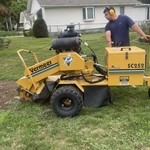
Usually, trees cannot grow back after their stump has been ground, but some very hearty types of trees can. For example, if you have a black locust or Redford pear, the grinding will need to go deep to prevent them from growing back. Ask your tree service or stump removal expert whether your tree can resprout after its stump is ground down.

The best time to trim trees is in late fall through winter when the tree has slowed its growing for the year. Cold weather stops insects and fungal growth from attacking a new tree wound. Summer and fall are considered the worst times to trim trees, but it’s permissible in certain scenarios, such as tree disease, damaged branches, or small, aesthetic cuts.

The Winnebago, NE homeowners’ guide to arboricultural services

From average costs to expert advice, get all the answers you need to get your job done.