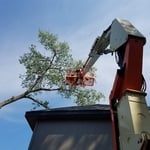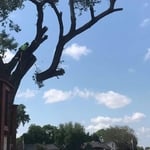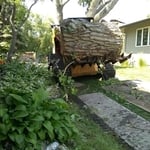



Top-rated tree service pros.

Get matched with top tree service pros in West Point, NE

Enter your zip and get matched with up to 5 pros

Need a pro for your tree service project in West Point, NE?

Select your specific project to find the pro for you.

Find Tree service pros in West Point

Avatar for M. S. Wiekhorst Arbor Company
M. S. Wiekhorst Arbor Company
5.0(
10
)
Tree RemovalTree Removal - For BusinessTree Stump - Remove+5 more

Serving West Point, NE and surrounding areas

Free estimates

Emergency services offered

Warranties offered

"The services performed went as smooth as expected. Mike was able to trim our biggest tree and remove an entire evergreen that had been exposed to bag worms. The work was quick and efficient and I would highly recommend him to anyone. We will definitely utilize his expertise in the future."
Large Cottonwood Removal

+12

Response time2 days
Response rate100%
Recommended by100%of homeowners
Tree Service questions, answered by experts

It can take anywhere from one month to a couple of years for tree roots to grow back in sewer lines. Tree roots can cause extreme havoc on your sewer lines, potentially cracking them and causing untreated wastewater to make its way into the groundwater. Have a landscaping pro remove trees and roots before installing your system, or call a pro to do it retroactively as soon as you can.

It can be bad to leave a dead stump in the ground. A stump becomes a hefty piece of dead wood in time and eventually (especially with the help of rain) starts to rot. That makes it a locus point for diseases and pesky insects, as well as a bit of an eyesore. It’s best to remove a tree stump completely before it starts to decay, especially before it starts to fall apart. If the tree was removed because of disease, it’s even more important to fully remove the stump if possible.

There are a few general rules to follow that will help you prune your trees correctly. One of the most important rules is to prune during the correct season for the type of tree you have. Typically, pruning should be during late winter. For younger trees, you should not remove more than a ⅓ of the tree's crown when pruning. Also, remember to remove dead and diseased branches first, then proceed with pruning the rest of the tree.

In most cases, your neighbor is responsible for roots from their tree that cause damage to your property. If your pavement, the foundation of your home, or a fence is damaged by roots from a neighbor’s tree, you likely will have legal recourse for financial relief. While it’s better to notify your neighbor of any problems you notice as soon as they arise to avoid costly damage, there are some instances where filing a civil suit is your only recourse. Your homeowner’s insurance company might wish to do so on your behalf if you file a claim.

White vinegar does not kill ivy on trees because its acetic acid concentration is not high enough to overpower it. Vinegar is an effective herbicide for weeds and other plants, but not for the strength of most ivies, including poison ivy and English ivy. You should use an herbicide to kill ivy, such as one with glyphosate, imazapyr, or triclopyr.

The West Point, NE homeowners’ guide to tree services

From average costs to expert advice, get all the answers you need to get your job done.