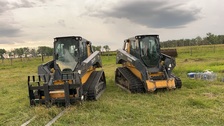
First Due Land Solutions LLC is a locally owned and operated land management company based in central Nebraska, proudly serving homeowners, farmers, ranchers, developers, and commercial clients. Built on a foundation of hard work, reliability, and a first responder mindset, we bring the same dedication and urgency to every project big or small.\nWe specialize in a wide range of services including hydroseeding, land clearing, forestry mulching, tree removal, brush and pasture management, site preparation, and property cleanup. Whether it’s reclaiming overgrown land, preparing a site for construction, or improving the health and usability of your property, we have the equipment and expertise to get the job done efficiently and professionally.\nAt First Due Land Solutions LLC, we take pride in delivering high-quality results, honest pricing, and dependable service. Our goal is simple: help you take control of your land and bring your vision to life.
Palm tree removal can cost anywhere between $100 and $1,800 depending on palm size, tree condition, labor, location, and the amount of prep work involved. With the necessary skills, a DIY palm tree removal for trees shorter than 15 feet can lower costs. However, it’s generally recommended that you hire a palm tree expert for tree removal.
Generally, no, tree topping isn’t a good technique, and you should avoid using it in most cases. Tree topping may be the only good option to save a tree following severe damage after a storm, but in most other cases, it’s not the right choice. Tree topping can leave trees vulnerable to disease and further damage, and most pros will suggest against it.
How often and long you should water a tree depends on the species and if it is mature or newly planted. The amount of water is also based on the tree's size. A good rule of thumb is approximately 5 gallons per inch of the trunk's diameter.
Adjusting watering to the recommended suggestions for the tree type and weather conditions is vital. For instance, watering trees during a drought is necessary, and you may need to water more frequently than usual.
Trees provide many benefits, including shade, habitat for local wildlife, and cleaner air, so it’s always a good idea to try an alternative strategy like crown reduction before you chop one down. But sometimes, cutting down a tree is the only option (like if it’s severely diseased). A licensed arborist can assess the tree and recommend the best course of action.
While there is a lot of debate about whether boiling water is strong enough to kill tree roots, it is not best to remove the roots from large, old trees. You may be able to weaken young roots enough to remove them manually, but boiling water will likely not do the trick for large root systems.
The Spalding, NE homeowners’ guide to tree services
From average costs to expert advice, get all the answers you need to get your job done.
Tree inspections can ensure your trees stay healthy and safe, preventing costly damage. Learn how much tree inspections cost and what can affect the price.
How much does an arborist cost? This guide explains the cost of different services, ongoing expenses, and other factors to consider when hiring an arborist.
Follow these tips to learn how to find a good tree removal service. Doing a little research can help you save time and money when you need to say goodbye to your trees.
You suspect that the leaning oak tree in the back needs to come down, but can you just handle it yourself? Here are the pros and cons of calling a tree service.