



Top-rated tree service pros.

Get matched with top tree service pros in Clearwater, NE

Enter your zip and get matched with up to 5 pros

Need a pro for your tree service project in Clearwater, NE?

Select your specific project to find the pro for you.

Find Tree service pros in Clearwater

Tree Service questions, answered by experts

Talking with a septic pro before planting trees near your tank is best to ensure the roots won’t interfere with your septic system. However, there is an easy way to figure out where to plant a tree—but you’ll need to know how tall it can get when it’s fully grown. For instance, if the tree can reach 50 feet, plant it at least 50 feet from your septic system.

There are several methods to hollow out a tree stump, and the best one depends on your tools, experience, and priorities. Common methods include using a chisel and hammer, a chainsaw, or burning.

  • Chisel and Hammer: This is often considered the easiest approach for those with limited tools or experience, though it is the most time-consuming.

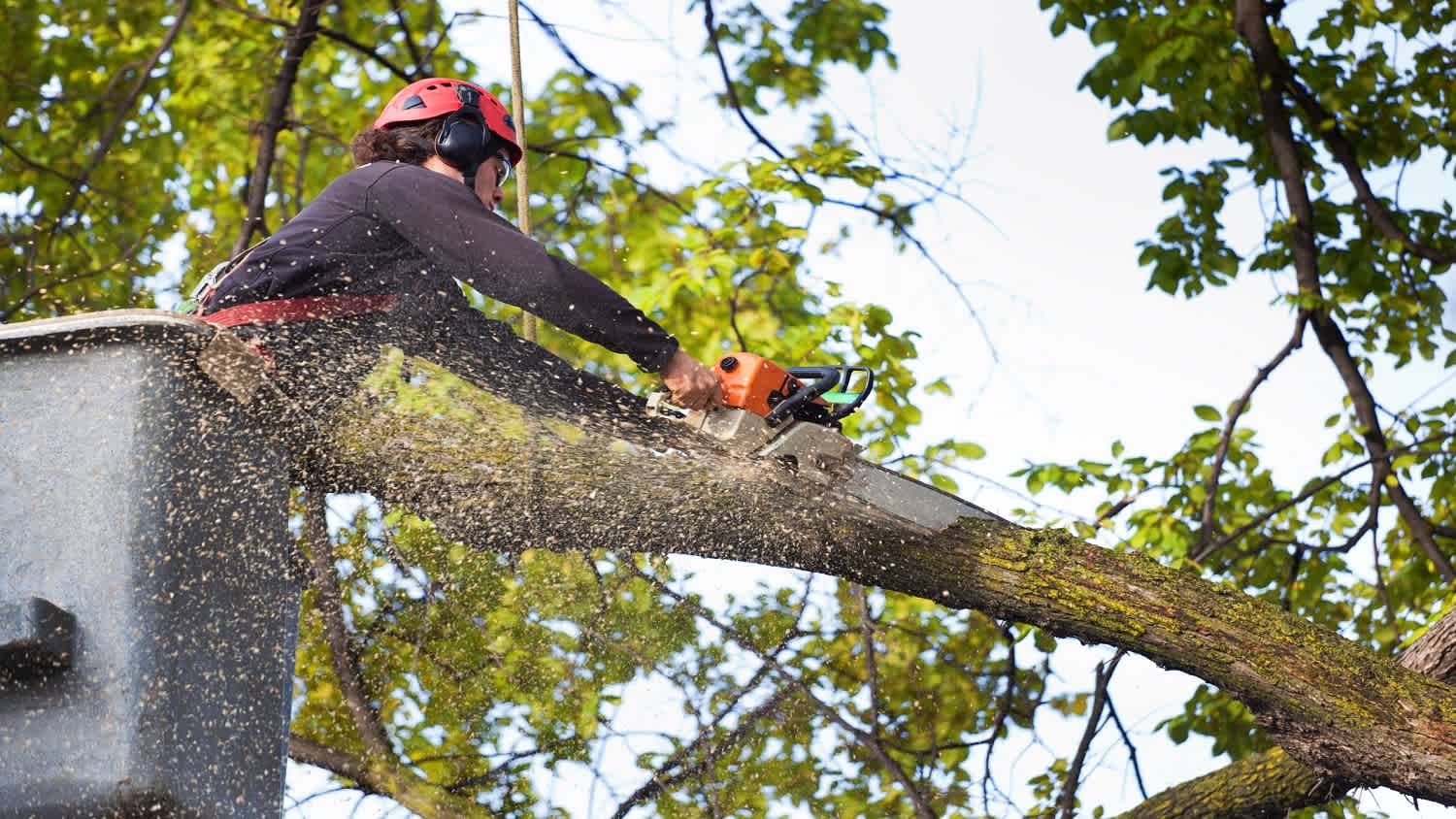
  • Chainsaw: Using a chainsaw is the fastest method, but it comes with significant safety risks, especially for inexperienced users.

  • Burning: This can be an effective method, but it is not recommended unless you can first drill holes into the stump. Without holes, the stump will be difficult to light and may not burn completely through.

A power drill with at least a ⅜-inch diameter bit can make the job quicker and easier, regardless of the primary method. While you can use a chisel or chainsaw without a drill, it will require more time and effort. Always wear protective goggles and thick gloves, as splinters are an inevitable risk.

The depth of tree roots depends on the species. Trees like oaks and maples can have root systems that grow down 20 feet or more. However, trees that grow in shallow soils will have roots that go only a few feet down. Research how your tree species grows in your climate area to estimate root depth.

There are a few instances in which removing a tree is the best option. You might do this if the tree looks to be a major danger—potentially falling onto your home, your car, or other parts of your property—or it’s diseased beyond repair. A tree that is growing too close to your house might need to be removed to prevent mold growth.

The best way to protect tree roots is to avoid the roots entirely by excavating outside the root radius of the tree. For nearby projects, it’s a good idea to construct a temporary retaining wall. But that’s not always possible, depending on the project and the root system. In these cases, consider using alternative equipment like an auger to tunnel under the ground.

Remember, tree roots can damage nearby cement foundations as they grow. If a tree is close enough to interfere with large excavations, it may be better to remove the tree than risk future problems.

The Clearwater, NE homeowners’ guide to tree services

From average costs to expert advice, get all the answers you need to get your job done.