


Top-rated tree service pros.

Get matched with top tree service pros in Norfolk, NE

Enter your zip and get matched with up to 5 pros

Need a pro for your tree service project in Norfolk, NE?

Select your specific project to find the pro for you.

TRUSTED BY NORFOLK, NE HOMEOWNERS

  • Average homeowner rating star icon3.9
    Average homeowner rating
  • Verified reviews icon19
    Verified tree services reviews

Find Tree service pros in Norfolk

Avatar for GCL Construction
GCL Construction
New to Angi

Serving Norfolk, NE and surrounding areas

In business since 2023

Free estimates

Credit card accepted

Gabino Construction, LLC is your trusted partner for all your concrete needs in Nebraska. Our team of experts are dedicated to delivering exceptional results that exceed your expectations. With our attention to detail and commitment to quality, we stand out from the competition. Contact us today to transform your home into the space of your dreams.

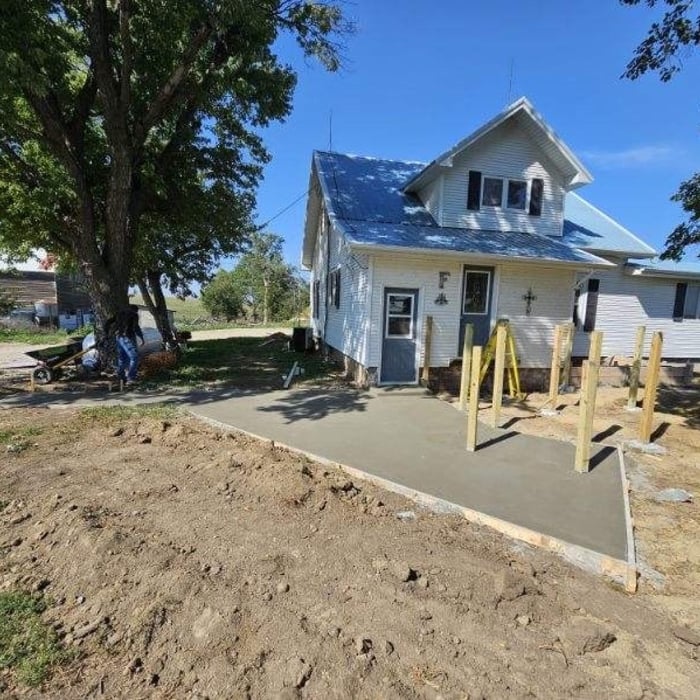
Concrete - Pouring & Repair Project
Driveway
Front patio
Driveway
patio

+28

Tree Service questions, answered by experts

If executed correctly your tree should survive after being transplanted to a new spot. However, effective transplanting requires six months, careful root pruning, safe transport to the new location, and replanting in prime soil conditions. You’ll also need an appropriately sized root ball for a complete tree transplant. A good rule of thumb is that, for every inch in diameter, your tree’s root ball needs to be around 11 inches. So a tree with a diameter of six inches needs a root ball of approximately 66 inches.

It takes anywhere from three to seven years for a stump to decompose on its own. This timeframe can depend on the kind of tree and your climate. The lower to the ground the stump is, the faster it rots. If you kill a tree stump with salt, boiling water, herbicide, light deprivation, or burning, the tree stump decomposes faster. 

Homeowners are usually not responsible for trees that fall on power lines. Power companies usually have utility easements around power lines, which give them the responsibility to maintain any trees within about 15 to 20 feet of the lines.

Bleach can potentially kill some types of delicate ornamental trees, but for the most part, it will only kill the foliage it comes in contact with. Applying bleach is not an effective method of killing a tree. A better option is to use an herbicide, which is a chemical compound designed to effectively kill a tree. 

There are several signs that may indicate a tree needs to be cut down. These include visible damage to the trunk or branches, a hollow trunk, extensive storm damage, or a significant lean to one side. Other warning signs are pest infestations or the tree growing too close to a house, power lines, or other structures. It is best to hire a professional arborist to inspect the tree, as they can determine if it can be saved or if removal is necessary.

The Norfolk, NE homeowners’ guide to tree services

From average costs to expert advice, get all the answers you need to get your job done.