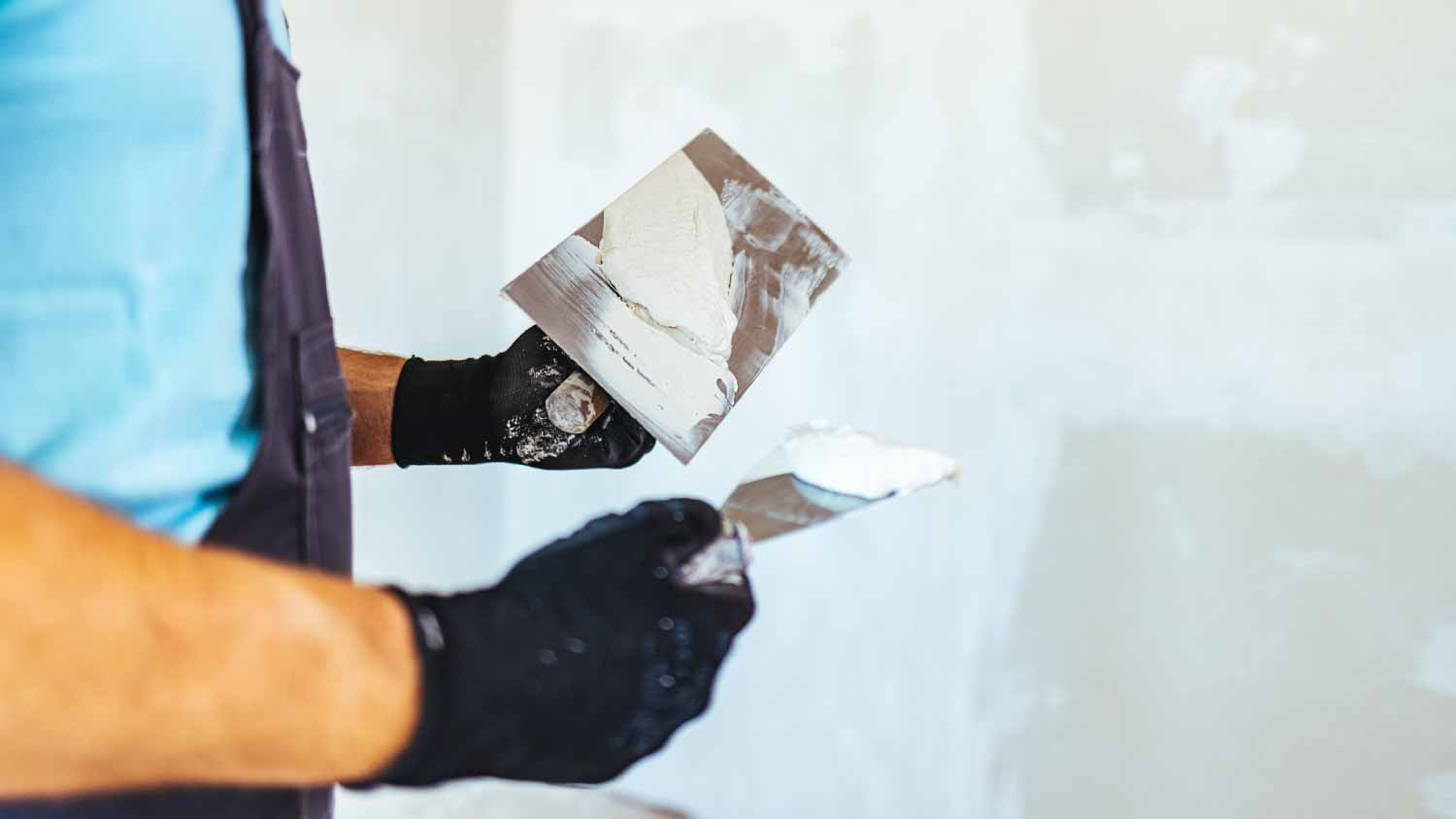
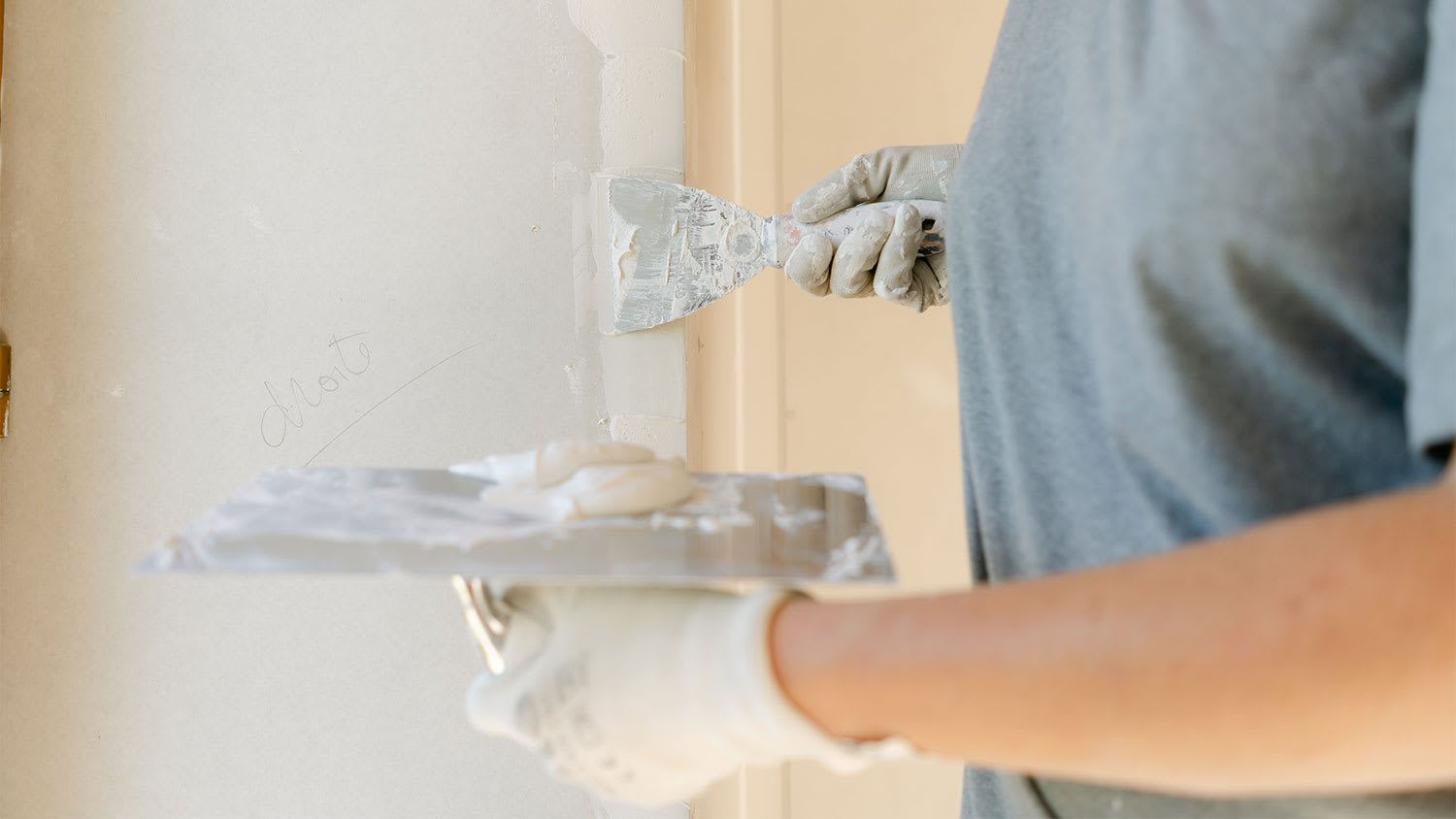
Here at Erickson Drywall we are a full service drywall and handyman company. No job is out of our wheelhouse and we pride ourselves on our craftsmanship and ability to keep all jobs running smoothly. Call now for a free estimate.
Reliant Construction offers full service home improvement crews, including roofing, siding, windows, and gutters. We service Northern Kansas, Eastern Colorado and the entire state of Nebraska. We will travel to your job request site.
We're a locally owned and operated company with over 22 years of industry experience. We value honesty and integrity in all aspects of our business. We offer a variety of Home Improvement services that are customizable to each individual project. We specialize in handyman/carpentry work and a variety of related service and repair projects. We pride ourselves on the quality of our work as well as our commitment to outstanding results. We look forward to building lasting relationships with our clients and guarantee your satisfaction!
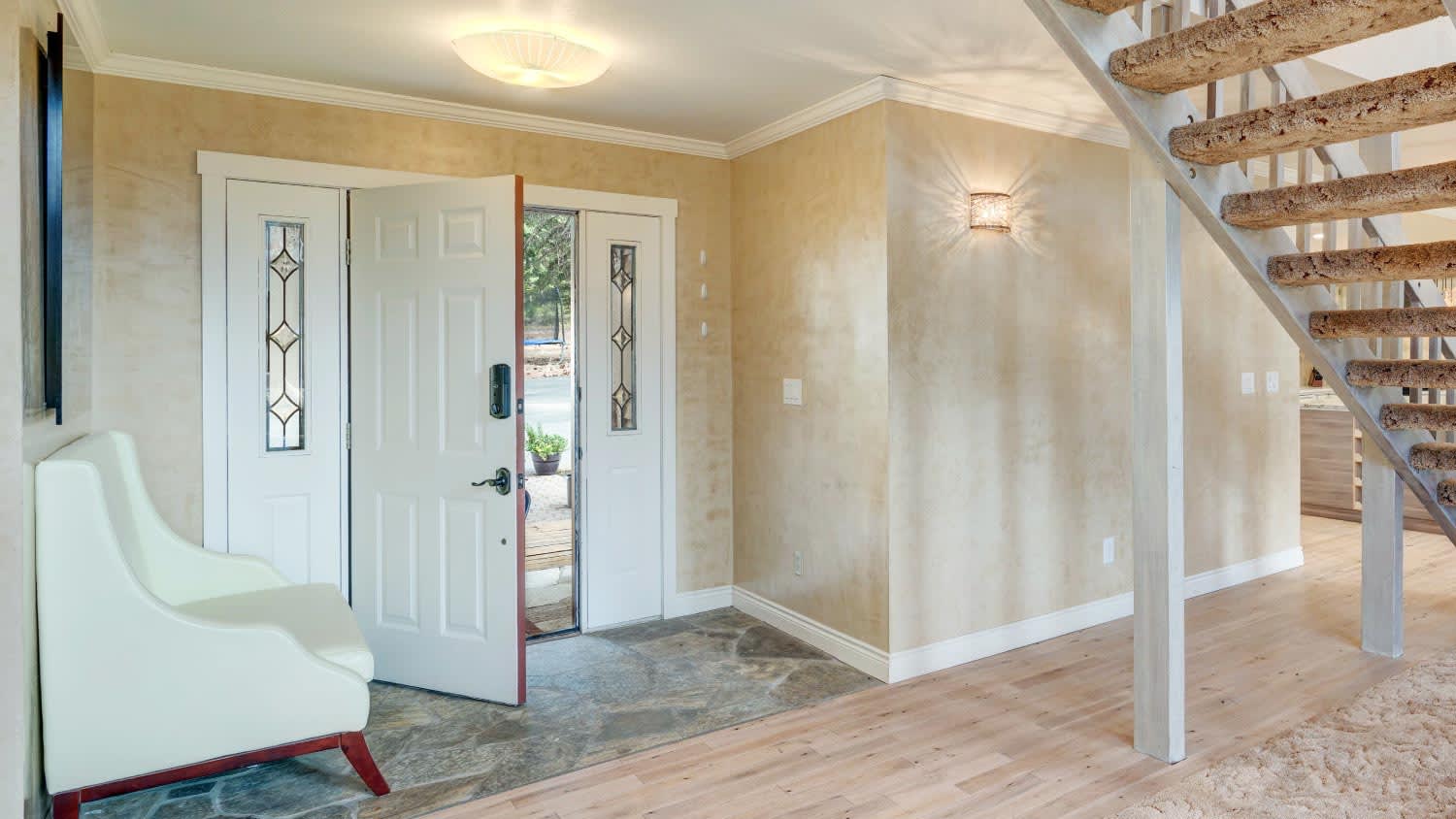
Venetian plaster is a highly durable wall finish that becomes a rock-like substance once dried, making it last longer than most other wall finishes. Its lifespan can range from decades to centuries, potentially lasting a lifetime. Key factors influencing its longevity include the quality of the initial application, whether it's properly sealed against moisture, and how the wall is maintained and treated (e.g., how often it is touched or bumped). Due to its mineral content, it can also develop a patina over time.
Plastering and skimming are two different techniques for finishing walls. Plastering involves applying a thick layer of a plaster mixture—typically containing gypsum, lime, cement, sand, and water—to create a new surface. This process often requires multiple coats and is used for repairing significant damage or creating decorative textures. Skimming, on the other hand, is a technique that involves applying a thin layer of drywall compound or joint compound over an existing surface to smooth it out, covering minor imperfections, small cracks, or uneven textures for a polished look. Plastering is generally more costly and labor-intensive than skimming. Although some people use the terms interchangeably, they refer to different processes and materials.
Plaster is a pretty tough surface, but it can still sustain damage from things like bumping against it, water issues, dampness, extreme humidity changes, and plain old age. Most plaster walls last hundreds of years and will only be taken down to the base layer when major repairs are required. Being cautious around the wall, not placing furniture against it, and ensuring stable humidity are all great ways to reduce possible damage.
It’s not a good idea to plaster over broken plaster (unless by broken you’re referring to cracked, in which case that’s perfectly fine). However, broken plaster can be a sign of a larger underlying issue like foundation damage or severe damage to the lath holding up the plaster, so it’s worth investigating before you simply plaster on top of the damage.
It may take a bit of patience and trial and error to match your particular drywall texture type when making repairs. For orange peel or knockdown finishes, use a spray texture product or a thinned joint compound applied with a roller or sponge. Practice on scrap drywall or cardboard first. Once dry, lightly sand and prime before painting.
The Spalding, NE homeowners’ guide to plaster repairs
From average costs to expert advice, get all the answers you need to get your job done.
Venetian plaster can add depth and texture to your aesthetic. Learn how much Venetian plaster costs based on factors like square footage and whether you hire a pro to help.
You can find plaster walls in a lot of older homes. What’s behind these walls—whether that’s lath or calcimine—can have an impact on how long they last. Finding out the age of your house can help you determine what you’re dealing with.