"He did such an awesome job and did exactly what I asked. He even double checked all of his work and it was great. I will definitely be calling him again."
"On time. Started right away and got the job done in less than 2 hours. We called someone else five weeks ago to do the work and never heard back. Used Home Advisor and contacted us in less than 30 minutes and set up an apppointment. Beltran charged us $50 less than what the company that never called back had charged before."
Yes, like other types of wood fencing, pressure-treated fence boards can warp. However, there are a few things you can do to reduce the likelihood of your fence warping. Sealing or staining your fence every few years, for example, can protect the wood against moisture, sun exposure, and temperature changes.
Most privacy fences are easy to install if you’re going with a DIY-friendly option like a wood fence, vinyl fence, or pallet fence. Since pallet fences come in the form of pre-constructed fence panels, they’re often considered the easiest privacy fence to install. Just get your fence stakes in the ground and slide the pallets onto them before securing them with scrapboard.
Generally, the height of your dog fence should be 3 times the distance from the ground to your dog’s shoulder. For most small breeds, a 4-foot high fence will be more than enough to keep them from jumping out. Medium-sized breeds like Golden Retrievers, Labradors, and German Shepherds will need at least a 5-6 foot fence to stay contained. Large breeds that are also excellent jumpers, such as Greyhounds, may need a 7-foot high fence.
How long a fence lasts, including a split rail fence, will depend on the material from which it’s made. The average lifespan of a wood fence is about 15 to 20 years. However, split rail fences made out of premium materials, like composite, vinyl, steel, or aluminum, can last for 25 to 30 years or more, especially if you take good care of the material and carry out necessary maintenance.
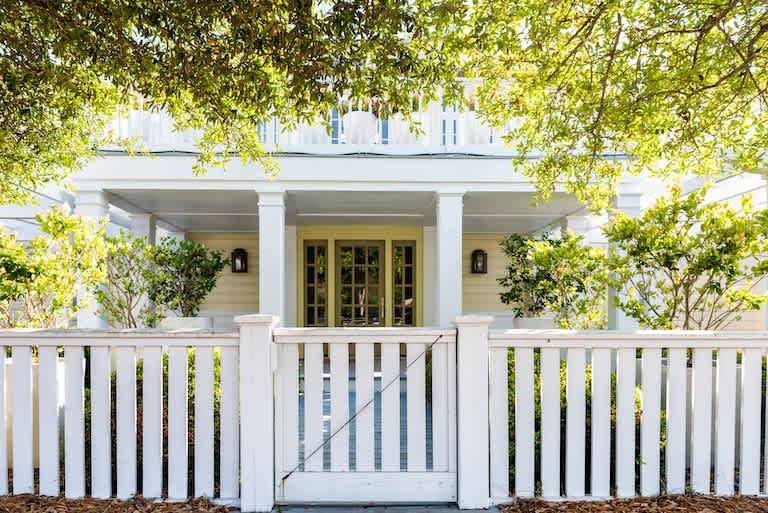
Fence pickets typically face out (away from your home or the garden that you're enclosing). Both the rails and pickets sit on the outside of a fence so that anyone passing by can see the finished side. Not only does the look increase your curb appeal, but it's also the neighborly thing to do when placing a barrier between two properties, even when you're installing a privacy fence.
The Spalding, NE homeowners’ guide to fencing services
From average costs to expert advice, get all the answers you need to get your job done.
Chain-link fences are among the most affordable options available. Use this chain link fence cost guide to see what your installation will cost in Washington, DC.
How much a privacy fence costs depends on several factors, including the size of the fence and the material used. Our cost guide breaks down these and other factors.