How long carpet dye lasts depends on the quality of the dye and the application process. At a minimum, dyed carpets keep their color for a year, but some can last longer. Many factors affect how long carpet dye lasts, including the amount of UV rays that hit the carpet, causing it to fade. However, the good news is you can have your carpet dyed annually to keep up the color.

Steam cleaning your carpet is a highly effective and easy way to clean everyday dirt and grime. While you may need to pretreat some hard-to-remove spots for maximum effect, you can regularly steam clean your carpet to help it stay looking new and fresh for years to come. Don’t forget to give it some time to dry.
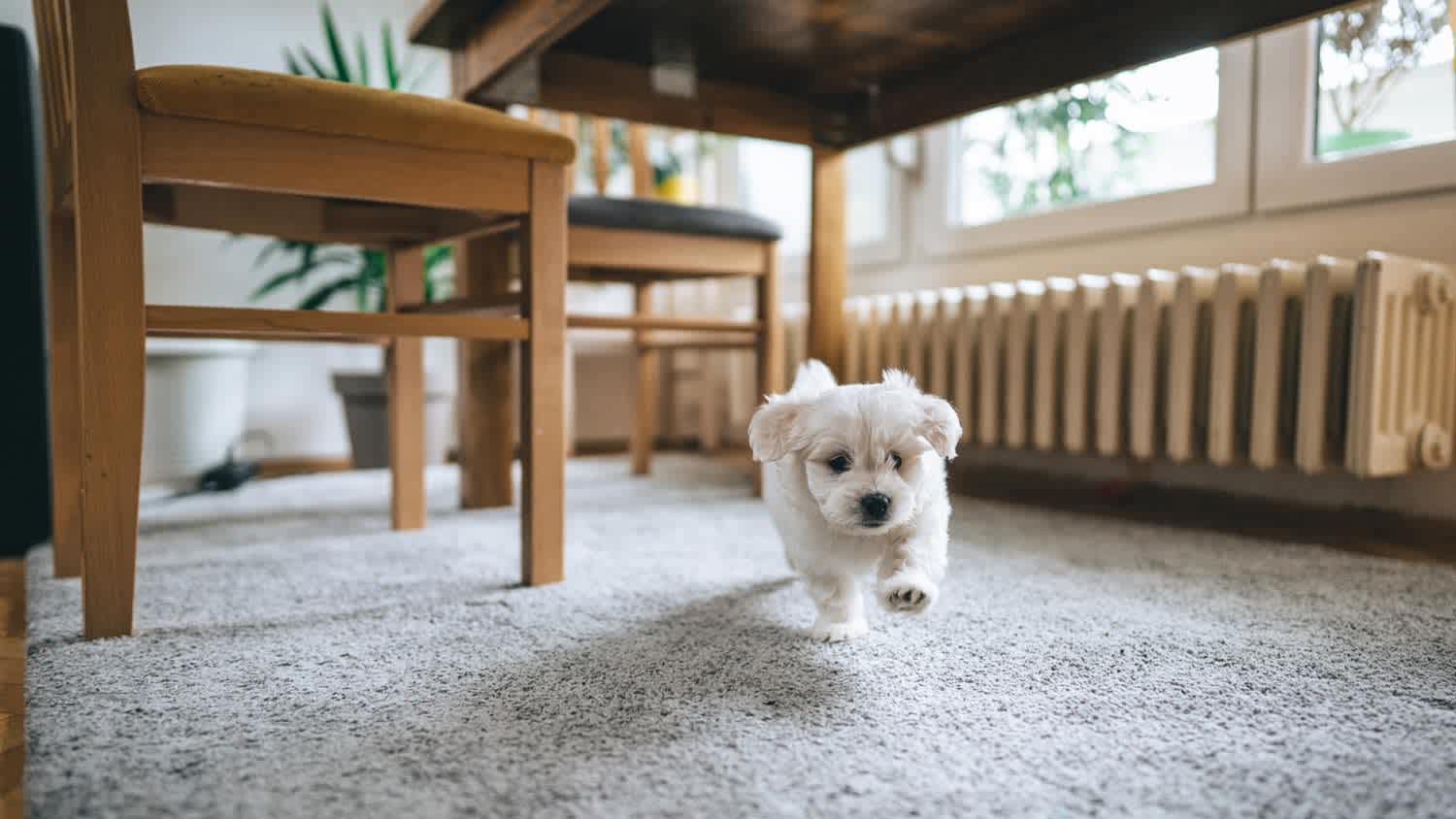
You’ve tackled the pee stain on the carpet, but that smell still lingers in the air. Yuck! Fortunately, you can use certain sprays to help remove the odor. A homemade baking soda spray, made with 1/4 cup of baking soda and 2 cups of water in a spray bottle, can help remove the smell of pee. You can also use an enzymatic cleaner directly on the pee stain to deodorize it.
Professionals use advanced, eco-friendly products that ensure effective yet safe cleaning.
Soot can be harder to remove compared to other types of stains given its acidic nature. It can also cause underlying paint to peel off during the cleaning process. If your soot issue is a result of smoke damage, it’s recommended you call a pro to help remove it versus doing it yourself.
The Spalding, NE homeowners’ guide to carpet cleaning services
From average costs to expert advice, get all the answers you need to get your job done.
Sometimes, you need to give your carpet a deep clean. This guide breaks down the best way to clean carpet to make your floor sparkle and remove hidden dirt.
Some homeowners wonder if professional carpet cleaning is worth the cost. We break down the pros and cons so you can decide what works best for your home.