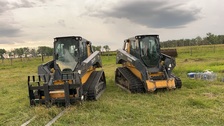
We are a small business that specializes in tree removal services like mulching, shredding trees and tall brush, we also specialize in agriculture fencing and some commercial fence we also do specialized dirt work, like building pads, driveways and land leveling
There are a few things you should look for in a stump removal company to make sure you’ll be satisfied with the results:
Proper business licensing and insurance
History of positive reviews
Good rating with the Better Business Bureau
We also recommend asking any company you’re considering the following questions to help find the best value:
Will you remove the roots as well as the stump?
Will you haul away wood chips or large portions of the stump?
What method will you use to remove the stump?
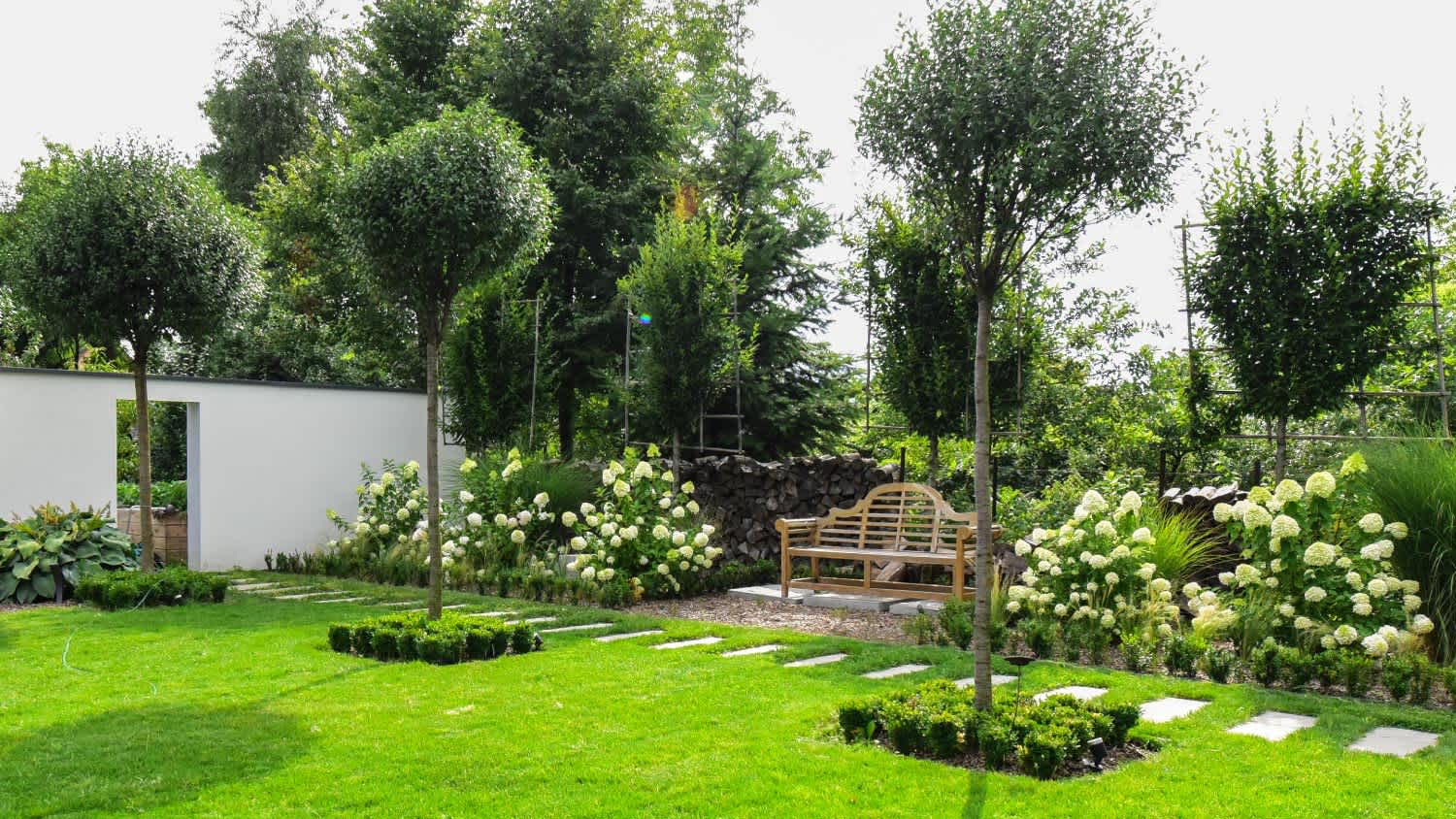
As a general rule, the protected area should be about 1½ times as wide as the canopy of the tree’s leaves. This digging measurement can vary by tree species and the age of the tree. Of course, that can be a lot of fencing for larger trees, which is why our first step is about making difficult decisions on which trees to save.
It enhances property aesthetics, improves tree health, and prevents safety hazards.
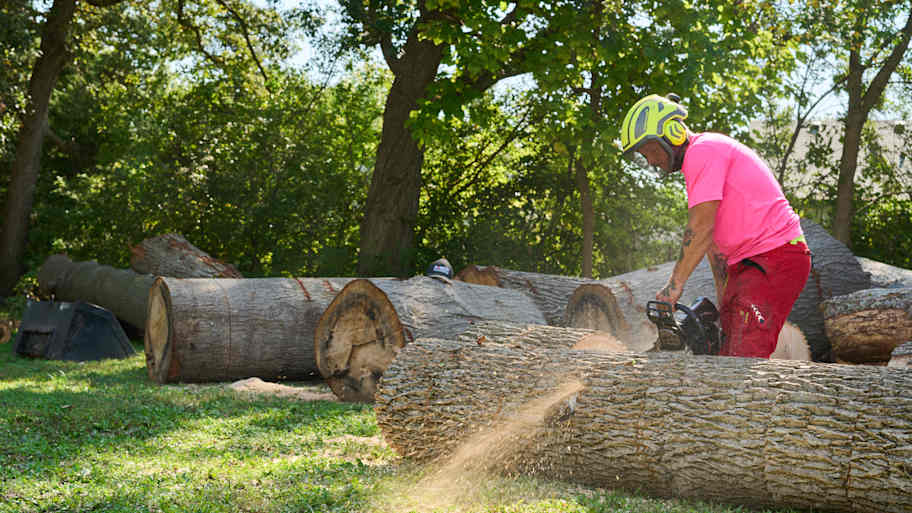
It can be bad to leave a dead stump in the ground. A stump becomes a hefty piece of dead wood in time and eventually (especially with the help of rain) starts to rot. That makes it a locus point for diseases and pesky insects, as well as a bit of an eyesore. It’s best to remove a tree stump completely before it starts to decay, especially before it starts to fall apart. If the tree was removed because of disease, it’s even more important to fully remove the stump if possible.
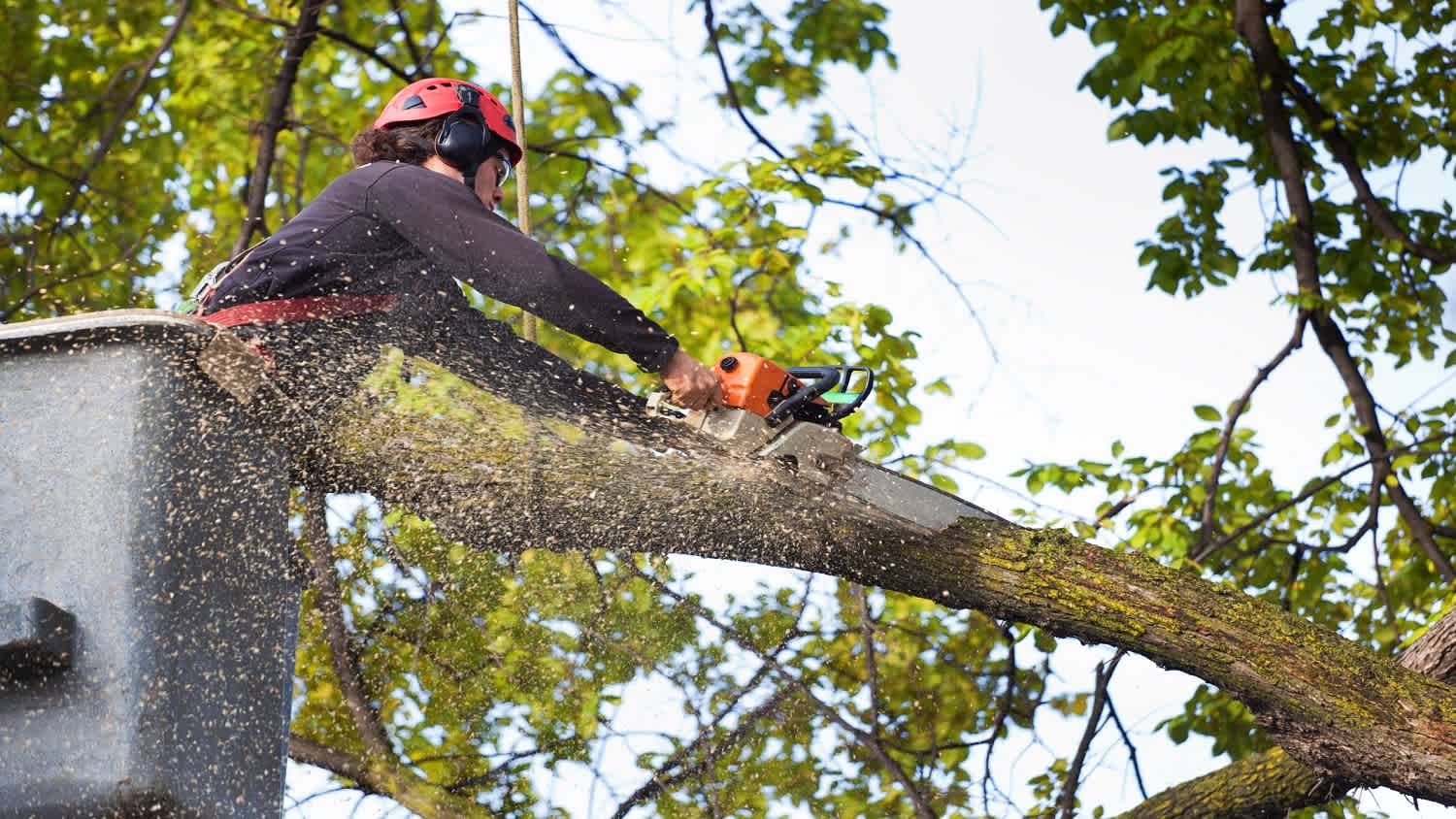
Trees are beneficial to the environment and wildlife. If you have an old tree, but it’s healthy, it may be best to avoid cutting it down. However, if it’s showing signs of bug infestation, disease, or is potentially hazardous, then you should contact a tree removal company to cut it down.
If you are unsure whether you should have it removed or not, then speak with an arborist to determine what is best.
The Orchard, NE homeowners’ guide to tree services
From average costs to expert advice, get all the answers you need to get your job done.
Tree inspections can ensure your trees stay healthy and safe, preventing costly damage. Learn how much tree inspections cost and what can affect the price.
How much does an arborist cost? This guide explains the cost of different services, ongoing expenses, and other factors to consider when hiring an arborist.
Follow these tips to learn how to find a good tree removal service. Doing a little research can help you save time and money when you need to say goodbye to your trees.
You suspect that the leaning oak tree in the back needs to come down, but can you just handle it yourself? Here are the pros and cons of calling a tree service.