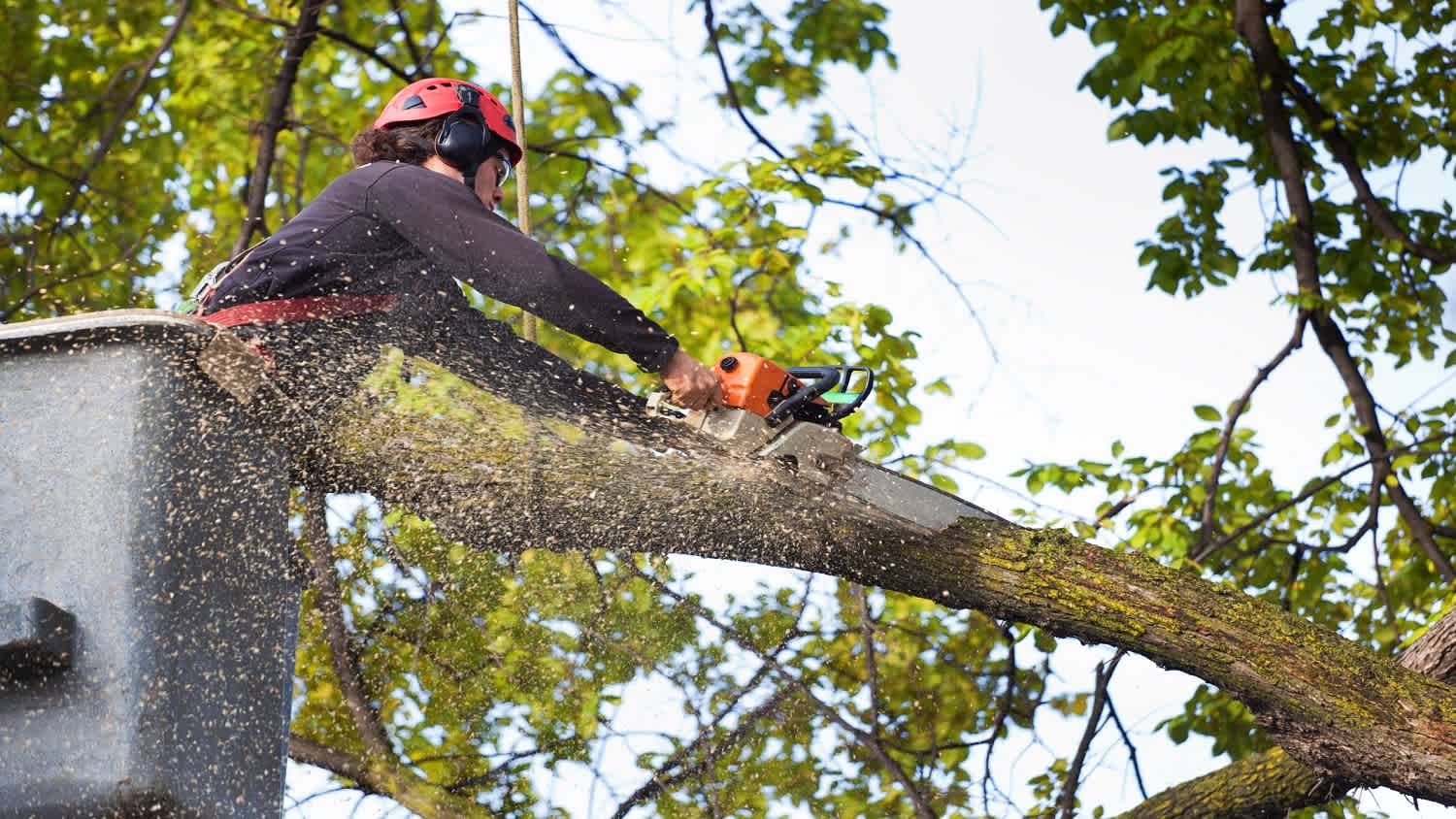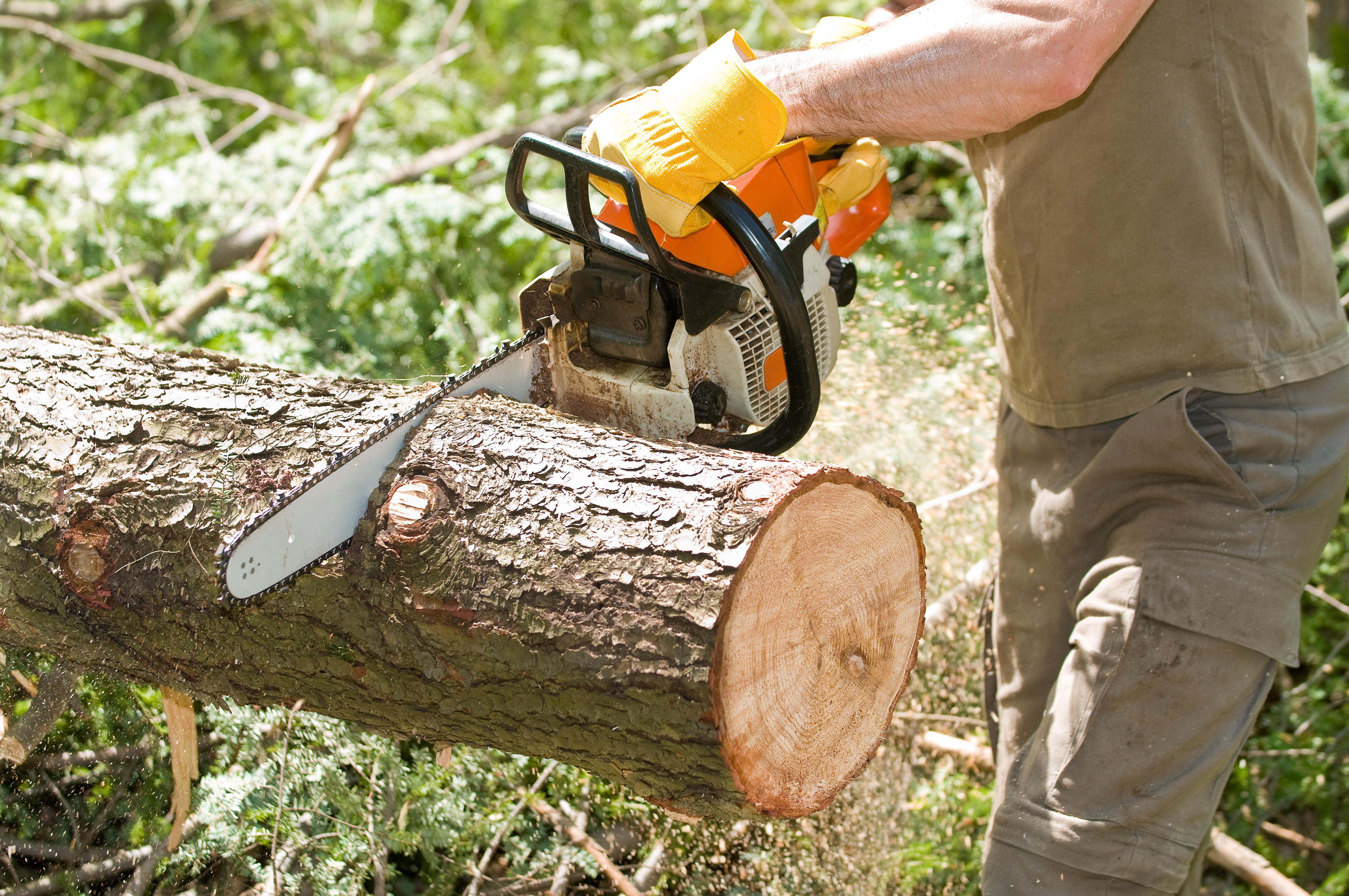




Top-rated tree service pros.

Get matched with top tree service pros in Palmer, NE

Enter your zip and get matched with up to 5 pros

Need a pro for your tree service project in Palmer, NE?

Select your specific project to find the pro for you.

Find Tree service pros in Palmer

Almic tree solutions
New to Angi

Serving Palmer, NE and surrounding areas

In business since 2025

Free estimates

Emergency services offered

We are a locally owned and operated company that values honesty and integrity and treats your home as if it were our own. We specialize in interior painting and provide unmatched customer service! You will find us to be competitively priced, paying close attention to the details of each and every project that we are involved with. We look forward to building lasting relationships and guarantee your satisfaction!\n

Showing 1-10 of 15
Tree Service questions, answered by experts

It depends on where you live—but in most areas, leaves begin falling in September and continue falling until January or February. Warmer regions, such as Southern states, may see leaves fall a bit later in the calendar year. It also depends on the type of trees in your yard and their maturity. 

Talking with a septic pro before planting trees near your tank is best to ensure the roots won’t interfere with your septic system. However, there is an easy way to figure out where to plant a tree—but you’ll need to know how tall it can get when it’s fully grown. For instance, if the tree can reach 50 feet, plant it at least 50 feet from your septic system.

There are several methods to hollow out a tree stump, and the best one depends on your tools, experience, and priorities. Common methods include using a chisel and hammer, a chainsaw, or burning.

  • Chisel and Hammer: This is often considered the easiest approach for those with limited tools or experience, though it is the most time-consuming.

  • Chainsaw: Using a chainsaw is the fastest method, but it comes with significant safety risks, especially for inexperienced users.

  • Burning: This can be an effective method, but it is not recommended unless you can first drill holes into the stump. Without holes, the stump will be difficult to light and may not burn completely through.

A power drill with at least a ⅜-inch diameter bit can make the job quicker and easier, regardless of the primary method. While you can use a chisel or chainsaw without a drill, it will require more time and effort. Always wear protective goggles and thick gloves, as splinters are an inevitable risk.

Transporting a fully-grown tree requires heavy equipment, typically specialized for the task. A tree spade is a truck-mounted tool that removes the tree from the ground in one location, transports it, and places it in a new hole in a new location. A combination of mechanized shovels and lifts is necessary to move very large trees, and the exact tools often depend on location and the surrounding area.

Not all leaning trees are dangerous, but they can be a hazard as gravity may eventually cause them to fall. A key factor is whether the lean is new or has been present for a long time. Trees that have grown with a lean for years are not typically an immediate danger, but a sudden lean is a cause for concern as it often indicates weakening roots. If a tree is leaning more than 15% from vertical, you should consider having it straightened or transplanted. To be safe, it's always best to hire a professional arborist to inspect any leaning tree to assess the risk and avoid potential accidents.

The Palmer, NE homeowners’ guide to tree services

From average costs to expert advice, get all the answers you need to get your job done.