

Top-rated tree service pros.

Get matched with top tree service pros in Plainview, NE

Enter your zip and get matched with up to 5 pros

Need a pro for your tree service project in Plainview, NE?

Select your specific project to find the pro for you.

Find Tree service pros in Plainview

Tree Service questions, answered by experts

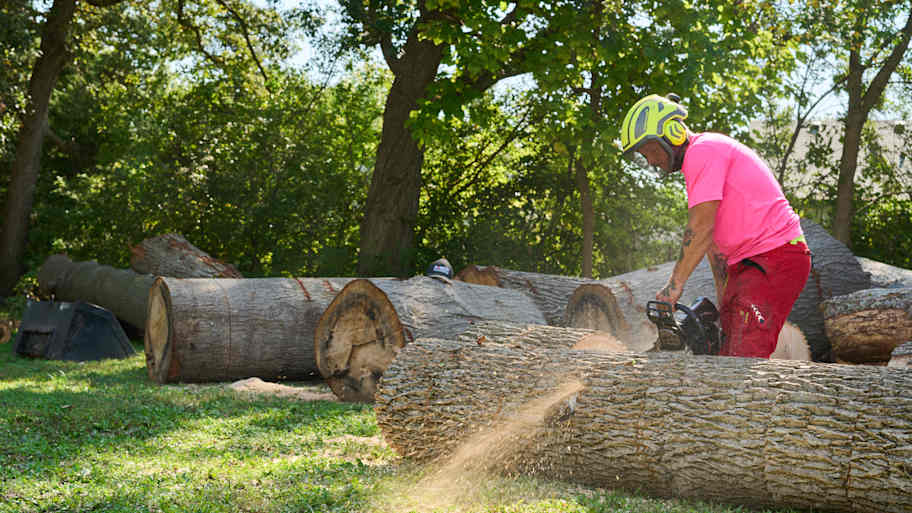
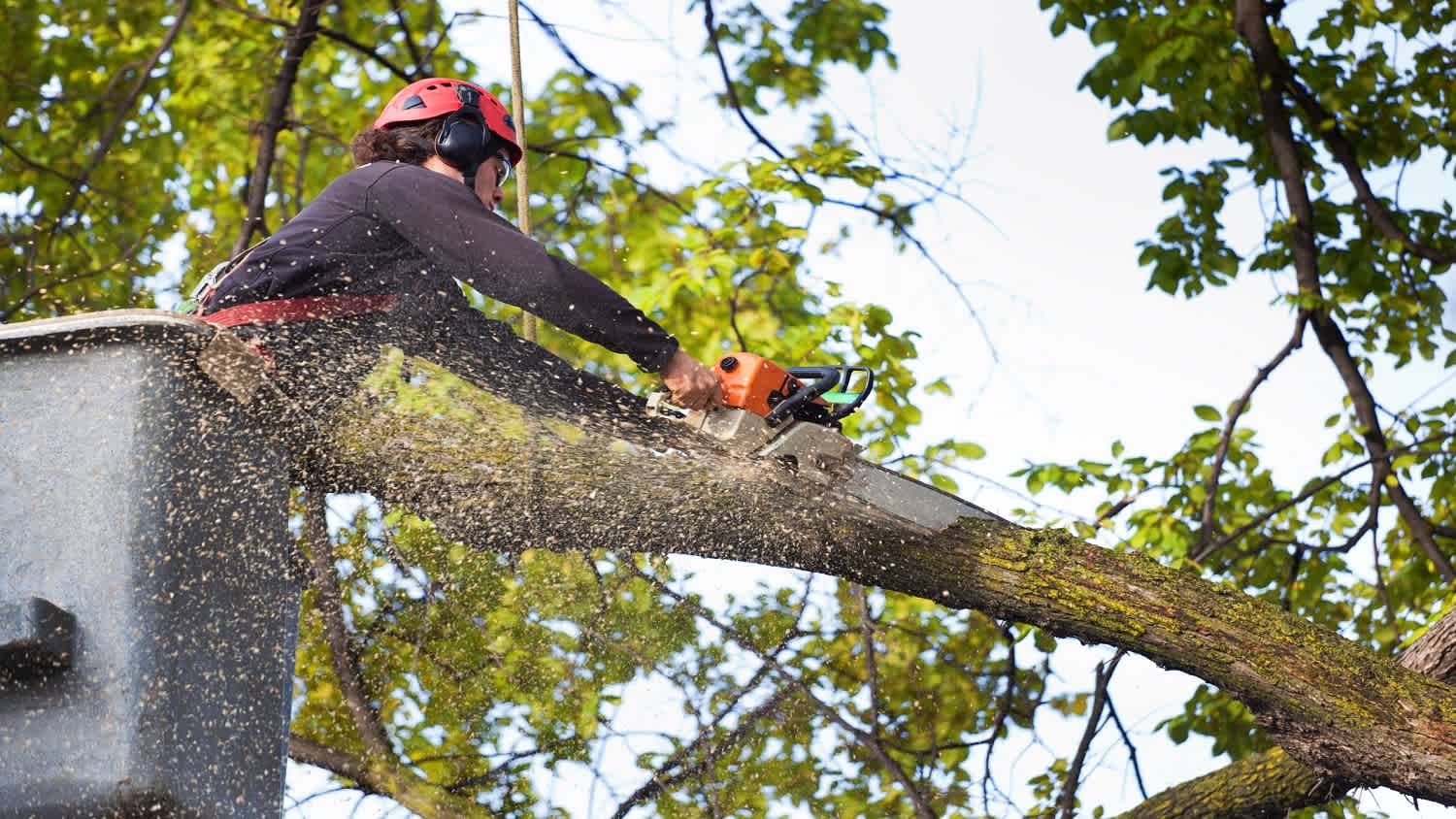
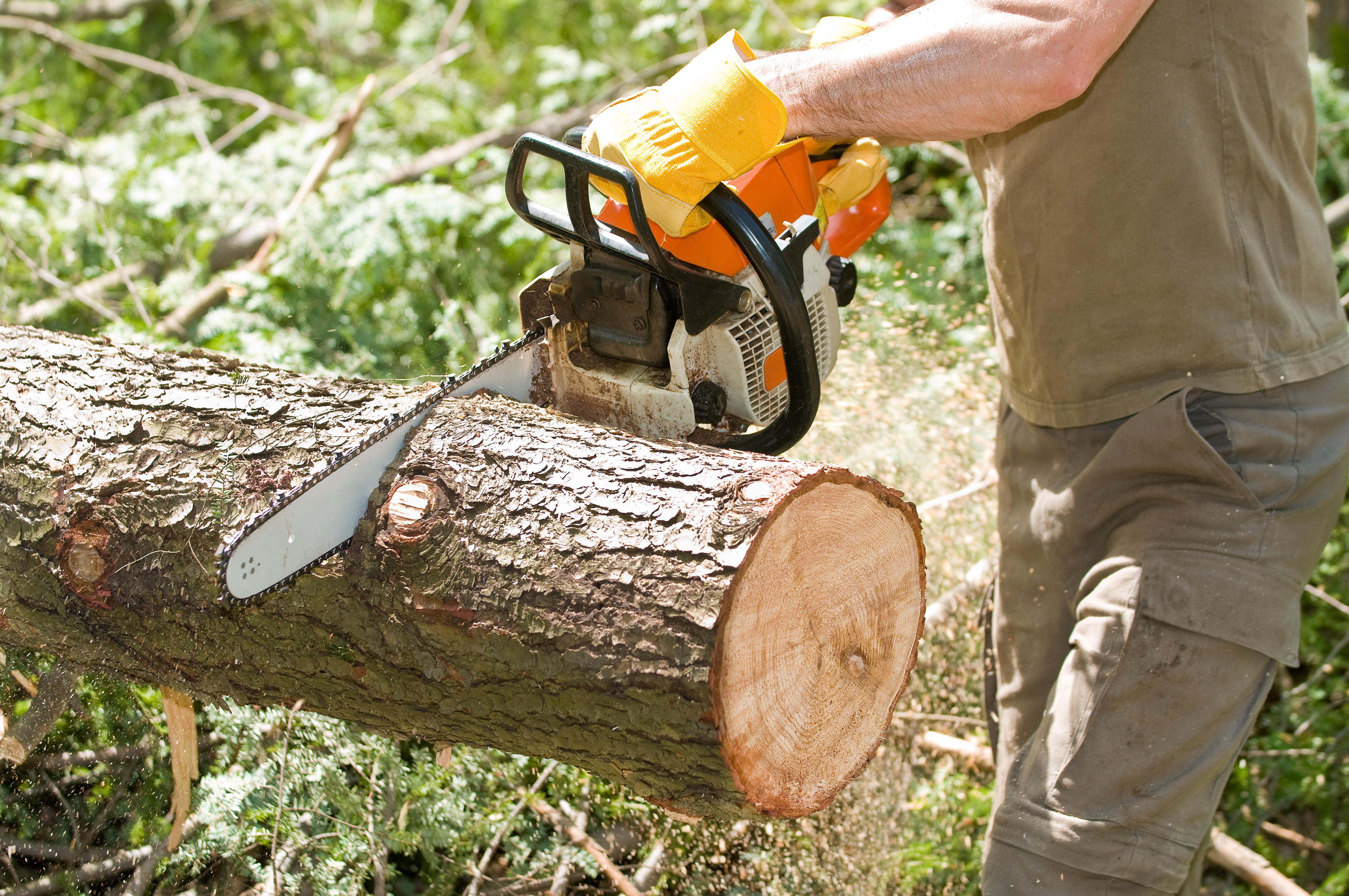
The best tools for tree removal include a chainsaw for large trees, an ax for notching and cutting down small trees, and a wedge to help control the direction a tree falls in. A hatchet can be useful for very small trees, but won’t be effective for medium to large trees. 

A tree can grow back from its stump, but full regrowth is unlikely (especially for more stubborn conifer trees). Instead, trees are more likely to send up a number of shoots from the dead stump, which will try to develop into primary stems over time. In other words, it will start to look increasingly bushy. The goal of killing and drying out a tree stump is to prevent that from happening, as well as make the stump easier to completely remove.

A grafted tree is a tree grown by combining two trees. It takes expertise. Branches from grafted trees don’t grow strong roots. Save yourself the time and frustration by having an arborist help you with this advanced project.  

You can often tell if a tree is grafted because it will have a noticeable line. Above the line, the bark will look different than it does below the line. It’s most common with fruit trees.

Yes, it is essential to confirm that any tree service company you hire is properly insured before they begin work. Tree removal, trimming, and pruning are dangerous jobs, and proper insurance protects you, your home, and the company from liability in case of accidents or damage. Look for a company that carries both general liability and workers’ compensation insurance, and do not hire one that cannot provide proof of coverage. When browsing for professionals, you can look for indicators like an “Angi Approved” badge, which signifies that the business meets standards like holding applicable licenses and passing a background check. Keep in mind that a license is a legal requirement to operate, while certifications are typically voluntary.

Whether tree roots will continue to grow after a tree has been cut down depends on the species. Some tree roots will eventually die because they can no longer get nutrients through photosynthesis. However, other species that reproduce through root sprouts can continue to grow and produce new sprouts for seven years or more. For example, the roots of elms, ficus, and willows tend to regrow aggressively, while the roots of pines, oaks, and maples will typically die. To determine if a root system is still active, look for new sprouts on the old trunk, stump, or any exposed roots.

The Plainview, NE homeowners’ guide to tree services

From average costs to expert advice, get all the answers you need to get your job done.