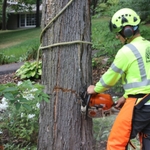
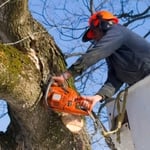
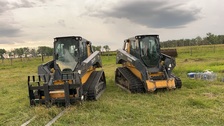
"Work was fast, efficient, and careful - absolutely minimal impact to the lawn on which equipment was placed. Clean up was very good. Both Aaron and his partner were amenable, personable, and highly professional. A good experience for my wife and me, and I will hire them again."
Often, it’s the homeowner’s responsibility to handle the aftermath when a neighbor’s tree falls on their property. But if a tree has been obviously dead for a significant period of time and caused damage when it fell, a case can be made that the owner should have removed it, especially if the neighbor wrote you a letter about the tree or asked you to take it down. This can be grounds for a successful lawsuit in claims court and is a good reason to always pay attention to your trees and remove dead trees before they fall.
Tree experts don’t advise against digging through tree roots, but instead encourage caution and consultation with a local arborist to make sure you don’t damage the tree’s structure or interrupt its water or nutrient intake. An arborist can recommend specific practices when digging and help prune the roots or dig a trench for utilities with a tool that can remove soil without touching the tree’s roots.
According to scientists at Penn State University, spotted lanternflies do not typically kill the trees and plants they feed on, but they can cause branches and segments to die off. However, they have been found to kill cultivated grapes, which can have devastating consequences for vineyard owners and regions that heavily rely on vineyards to create jobs and generate revenue. They have also killed the Ailanthu altissima, known as the tree of heaven, though this is classified as a noxious and invasive weed tree.
It may be possible, but transplanting a large, mature tree can be a tricky project, and some trees handle it better than others. If you have a tree you need to save and are considering transplanting it elsewhere, we highly suggest calling a tree removal service and arranging a consultation to see what they say (and how much a full transplant would cost).
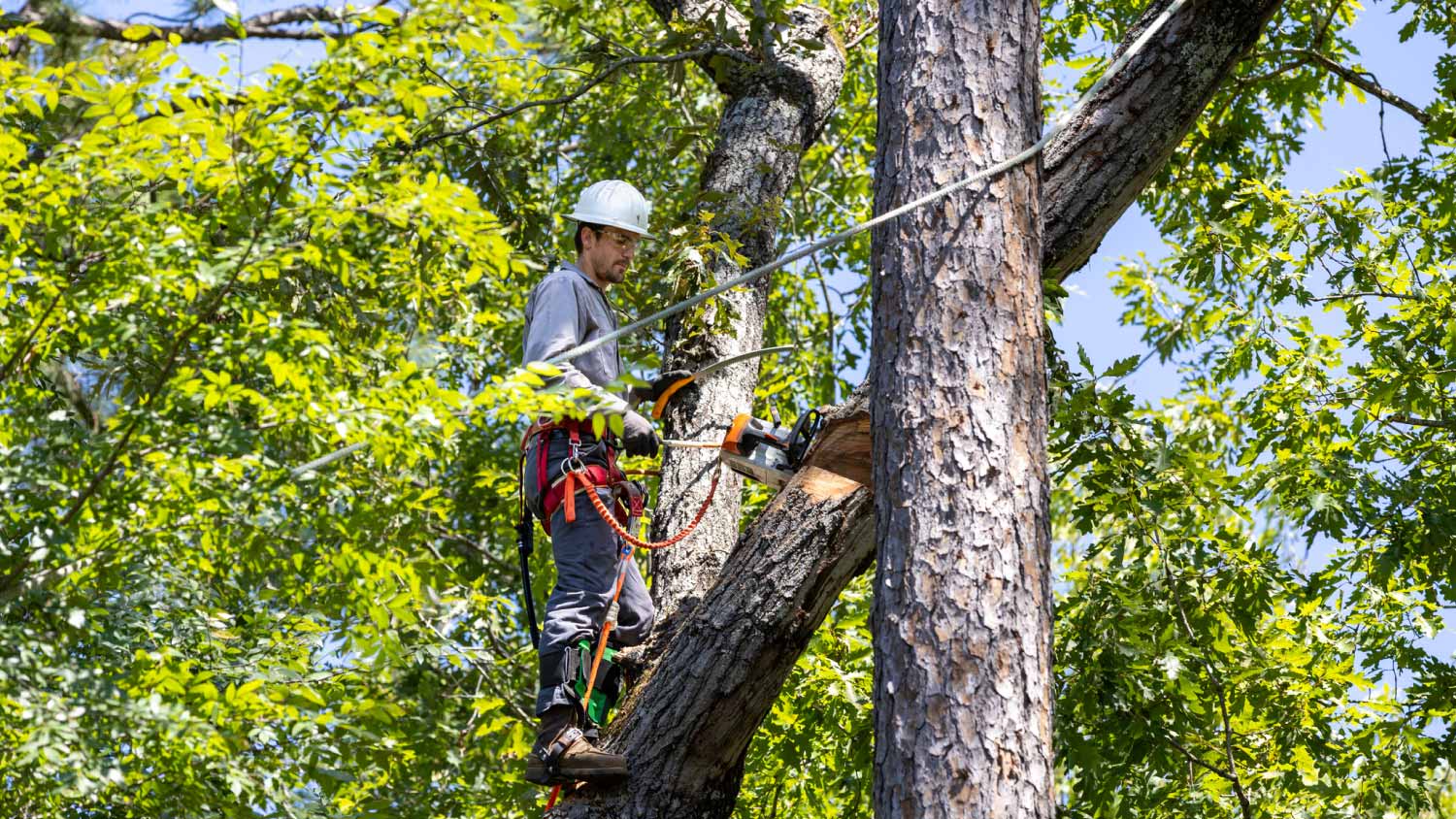
Sometimes, knowing when you need tree-trimming services is straightforward, and other times, you have to do some investigating. Some tell-tale signs that you should have your tree trimmed include:
A poorly-formed tree with unruly branches, which makes the tree appear odd-shaped.
A tree with tall or large branches that interfere with power lines or your home’s exterior.
A tree that provides too much shade in the yard due to branch overgrowth.
The Spalding, NE homeowners’ guide to arboricultural services
From average costs to expert advice, get all the answers you need to get your job done.
How much does an arborist cost? This guide explains the cost of different services, ongoing expenses, and other factors to consider when hiring an arborist.
Tree inspections can ensure your trees stay healthy and safe, preventing costly damage. Learn how much tree inspections cost and what can affect the price.
Arborists are specialized tree care experts. This guide will help you hire an arborist with all the qualifications to give your trees the best care possible.