

Top-rated tree service pros.

Get matched with top tree service pros in Stanton, NE

Enter your zip and get matched with up to 5 pros

Need a pro for your tree service project in Stanton, NE?

Select your specific project to find the pro for you.

Find Tree service pros in Stanton

Avatar for GCL Construction
GCL Construction
New to Angi
Tree RemovalTree Removal - For BusinessTree Stump - Remove+5 more

Serving Stanton, NE and surrounding areas

In business since 2023

Free estimates

Credit card accepted

Gabino Construction, LLC is your trusted partner for all your concrete needs in Nebraska. Our team of experts are dedicated to delivering exceptional results that exceed your expectations. With our attention to detail and commitment to quality, we stand out from the competition. Contact us today to transform your home into the space of your dreams.

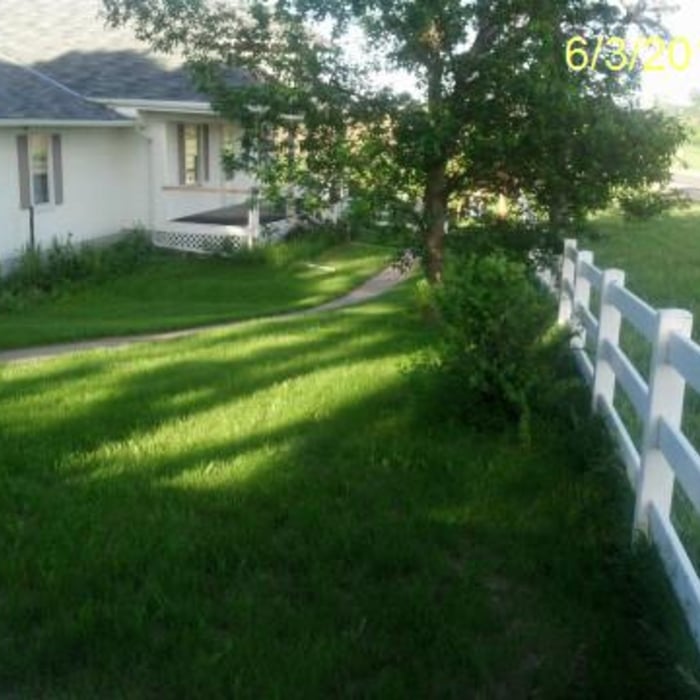
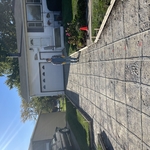
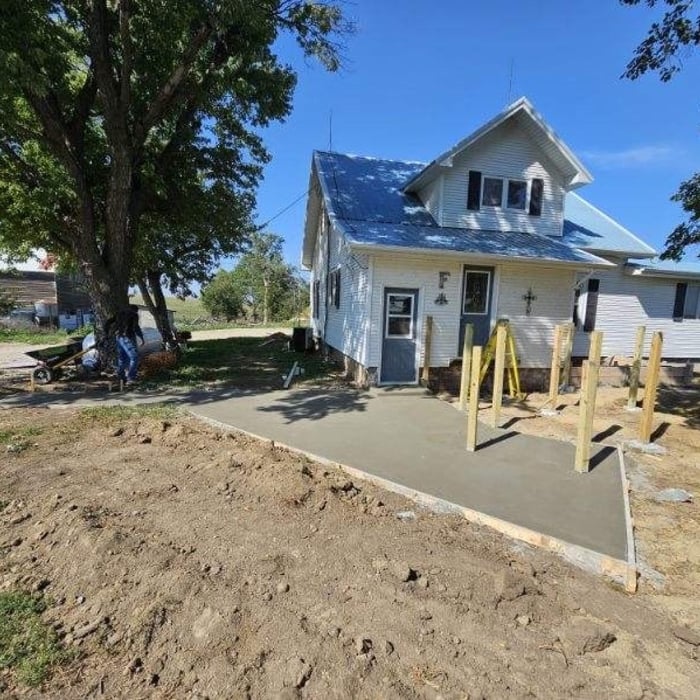
Concrete - Pouring & Repair Project
Driveway
Front patio
Driveway
patio

+28

Tree Service questions, answered by experts

Whether tree roots will continue to grow after a tree has been cut down depends on the species. Some tree roots will eventually die because they can no longer get nutrients through photosynthesis. However, other species that reproduce through root sprouts can continue to grow and produce new sprouts for seven years or more. For example, the roots of elms, ficus, and willows tend to regrow aggressively, while the roots of pines, oaks, and maples will typically die. To determine if a root system is still active, look for new sprouts on the old trunk, stump, or any exposed roots.

Generally, you’ll want to avoid pruning more than 25% of the tree’s canopy at one time. While pruning your tree is important, it’s possible to do it too often or to go too far. Again, this is why hiring a tree trimming pro to do the work is wise. However, if you do decide to DIY, going slow and trimming gradually is the name of the game.

Tree roots can take weeks to years to die, depending on the method you use. Chemical herbicides take the least amount of time—typically between three and four weeks—while homemade methods, like covering an old stump with leaves, could take between seven and eight years. If you’re unsure which method to use or how quickly you need to act, consulting with a pro is always a good idea.

If it’s only a smaller branch that has died and you’re keeping an eye on the tree, it’s probably nothing to worry about. But if other nearby branches start dying off as well, or a very large branch dies, then you likely have a bigger problem. It’s time to watch for diseases and other problems and possibly get professional guidance on how to proceed.

It is possible to burn out a tree stump if it is dried out and in an area of your property with a large buffer. Drill holes in the stump and dig around the base so it burns more easily. Then, build a small campfire on top using kindling and firewood. You’ll need enough to keep the fire going for many hours to completely burn out the stump, especially if it’s large. 

Monitor the fire closely to ensure it doesn’t spread, and have a hose on hand if it starts to get out of control. When the fire is out, break apart the burned stump and dig out what’s left of it.  

If this sounds like a good option, learn more about how to burn a tree stump before attempting it, as it does come with risks.

The Stanton, NE homeowners’ guide to tree services

From average costs to expert advice, get all the answers you need to get your job done.