






Top-rated tree service pros.

Get matched with top tree service pros in Columbus, NE

Enter your zip and get matched with up to 5 pros

Need a pro for your tree service project in Columbus, NE?

Select your specific project to find the pro for you.

TRUSTED BY COLUMBUS, NE HOMEOWNERS

  • Average homeowner rating star icon4.9
    Average homeowner rating
  • Verified reviews icon25
    Verified tree services reviews

Find Tree service pros in Columbus

Avatar for M. S. Wiekhorst Arbor Company
M. S. Wiekhorst Arbor Company
5.0(
10
)

Serving Columbus, NE and surrounding areas

Free estimates

Emergency services offered

Warranties offered

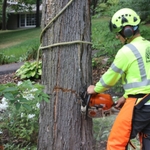
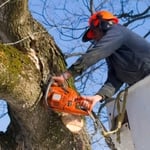
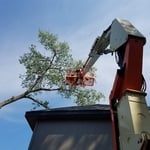
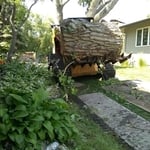
"Extremely professional and well equipped. Removed multiple downed trees quickly and safely. Thorough understanding of the insurance claim process was extremely helpful. Highest recommendation!"
Large Cottonwood Removal

+12

Response time2 days
Recommended by100%of homeowners
Showing 1-10 of 14
Tree Service questions, answered by experts

Yes, it’s possible to overwater a newly-planted tree. Daily watering is great for the first few weeks, but it’s important not to go overboard. Excessive watering can lead to various problems, including root rot, fungal diseases, and a lack of root development.

Generally, homeowners do not need permission to cut down a tree on their own private property, but there are several exceptions where a permit may be required. You might need a permit if the tree is particularly large, old, or a protected species, such as a heritage tree. Trees located near public property or power lines can also be subject to special rules. Additionally, many local governments and homeowners associations (HOAs) have regulations controlling which trees can be removed to manage an area's appearance or prevent the spread of invasive species. To avoid hefty fines, it is crucial to check with your local government and HOA to determine if a permit is needed before you begin.

Generally, you should prune around 20% of an apple tree’s growth—and never more than 30%. This means that if you have a severely overgrown tree, it can take a few seasons to prune it back enough to produce the healthiest fruit. 

If you’re dealing with a newly planted or juvenile tree, hold off on pruning beyond the initial shaping. Wait at least a couple of seasons into fruit production since pruning can increase the number of water sprouts and unproductive foliage.

Tree pruning is a common and helpful tree maintenance technique that involves carefully cutting and trimming unwanted branches so that the tree can continue to grow and thrive. Pruning is done carefully and intentionally. Tree topping is a frowned-upon method that involves removing and cutting most or the entirety of the top of the tree, including structurally important branches.

Late August, September, and mid-October are the ideal months for planting a young tree. However, the best time to plant a tree ultimately depends on when the weather transitions to fall-like conditions and eventually winter frost. As long as the hottest days of summer have passed and the ground hasn’t frozen yet, you can still successfully plant trees.

The Columbus, NE homeowners’ guide to tree services

From average costs to expert advice, get all the answers you need to get your job done.