





Top-rated electricians.

Get matched with top electricians in Columbus, NE

Enter your zip and get matched with up to 5 pros

Need a pro for your electrical service project in Columbus, NE?

Select your specific project to find the pro for you.
Electrical questions, answered by experts

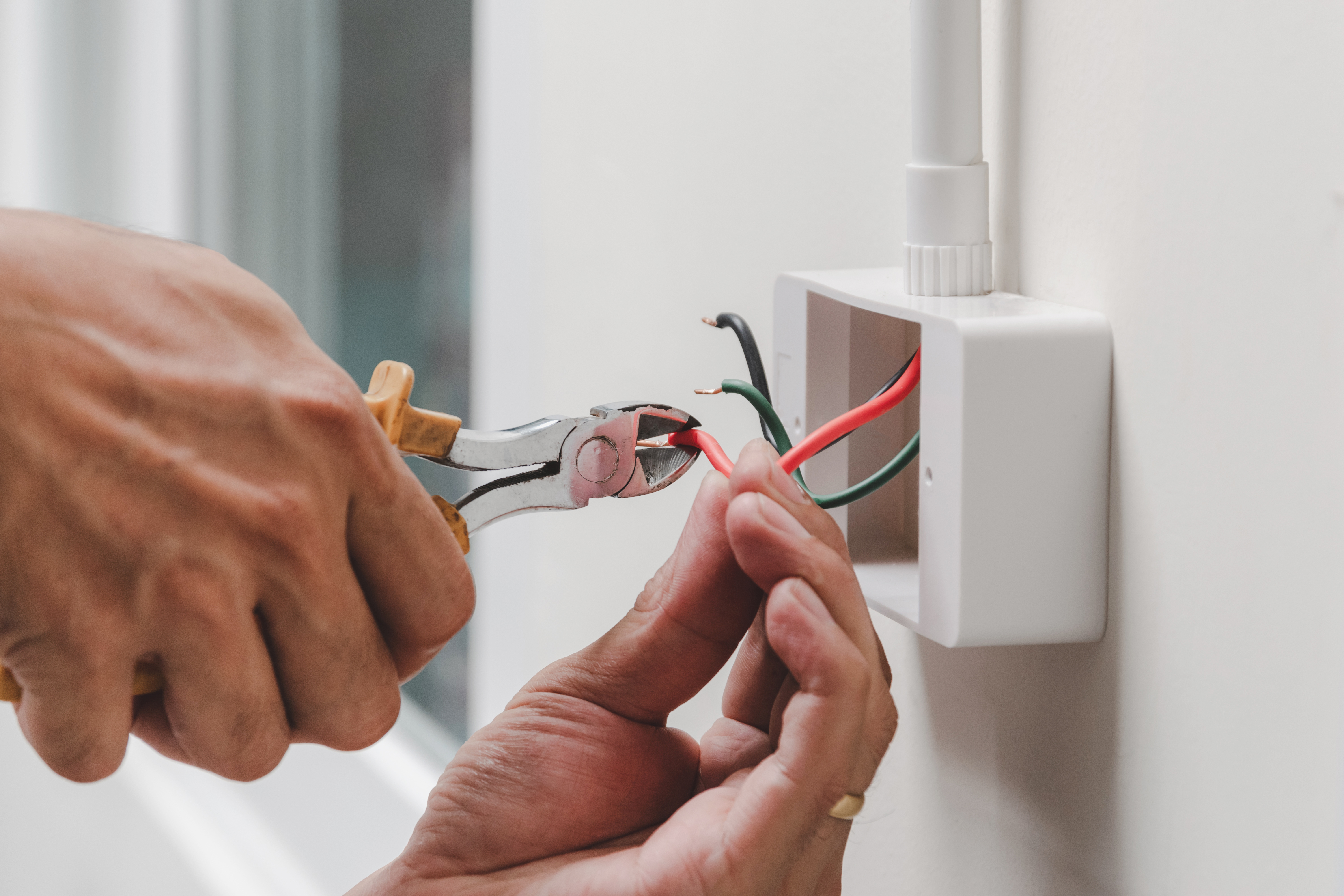
Yes, a faulty or broken light switch can be a serious fire hazard. Malfunctioning switches often result from loose wiring, exposed connections, or other electrical problems that can cause overheating or sparking. Warning signs include crackling, popping, or hissing sounds when you flip the switch, which indicates live electricity that could ignite nearby flammable materials. If you suspect your light switch is faulty, immediately turn off the power at the circuit breaker and contact a qualified electrician to remedy the issue.

How often you’ll replace your electric meter depends on what type of meter you have in your home. Induction meters can last around 10 years, while static meters will typically last around 20. If you’re unsure which kind of meter you have, a call to your electric company can help ease your mind.

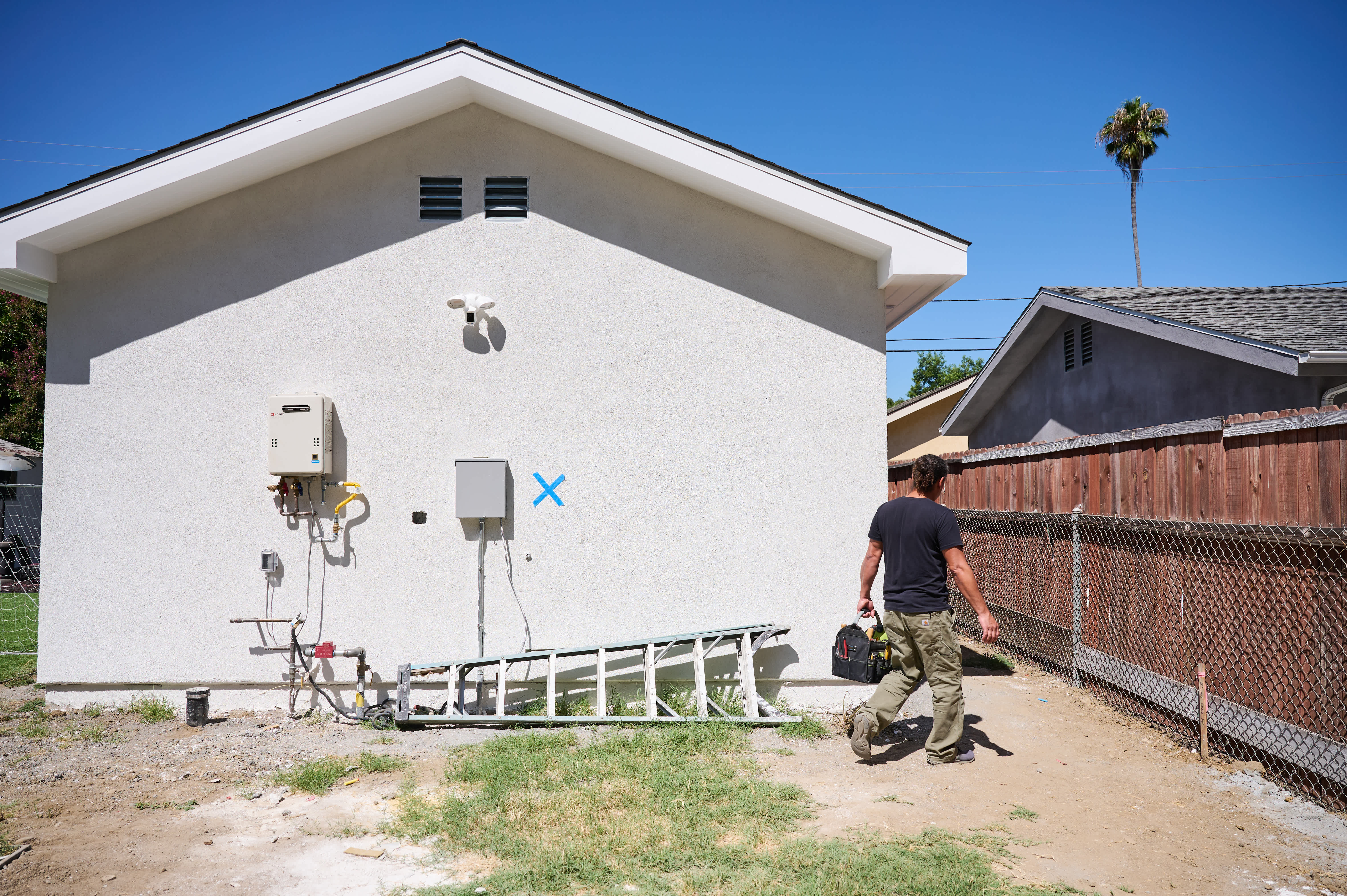
Most standard residential water heaters, which are typically around 40 gallons and use 240 volts and between 3,500 and 5,500 watts, require a 30-amp, two-pole circuit breaker. For smaller, point-of-use water heaters using 120 volts and between 1,500 and 3,000 watts, a 30-amp breaker is also often adequate. However, some models may have different needs; units that use more watts than average may require a 40-amp breaker, while smaller units might only need a 20-amp breaker. Newer, tankless, or more energy-efficient models can also require a higher amperage. Having the correct breaker size is crucial for safe and efficient operation, so it's best to consult a licensed electrician to determine the specific needs of your water heater.

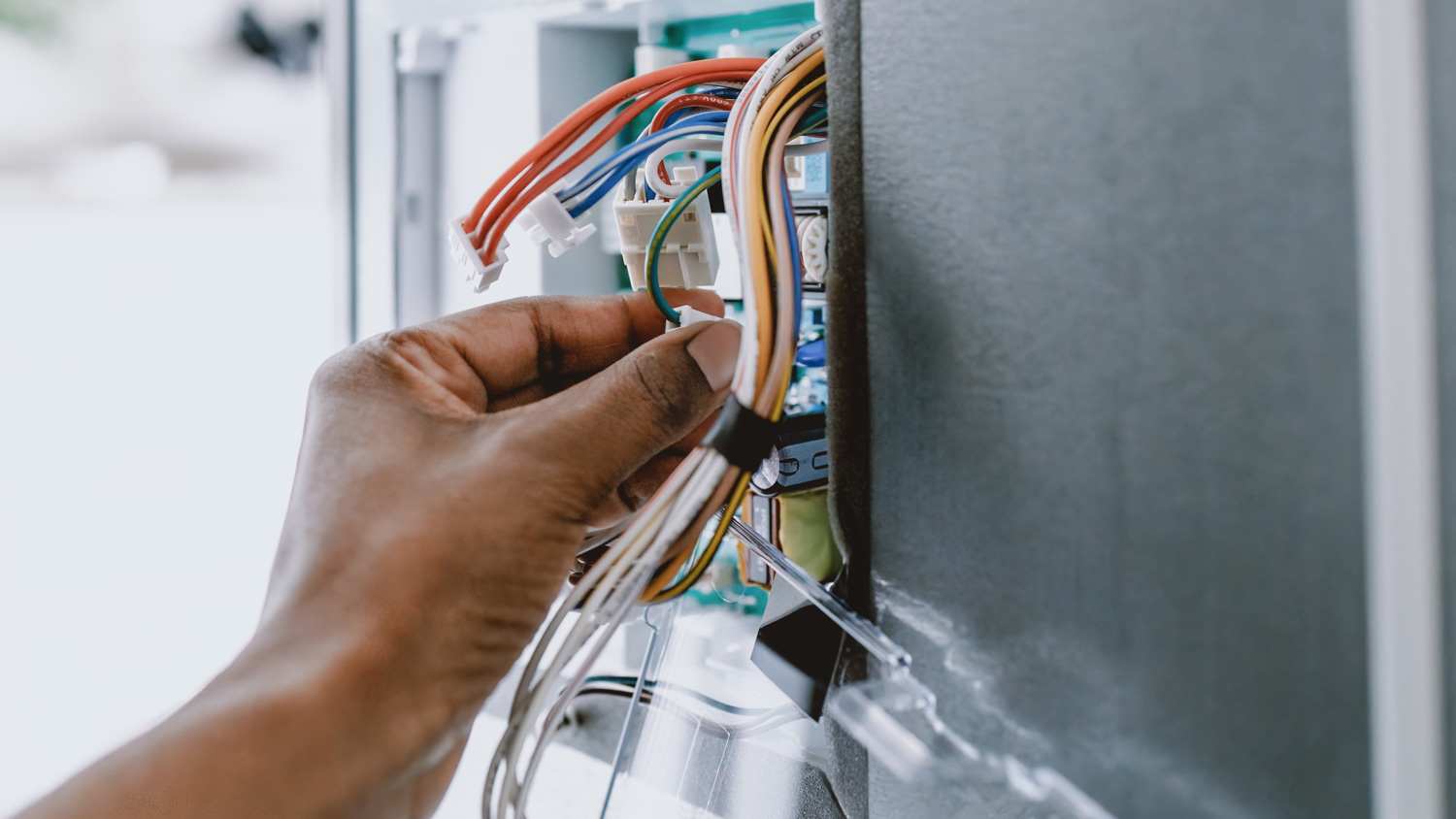
Most ceiling light fixtures only have a black, white, and green wire, but in some cases, you’ll also find a red wire in the box. This is a second hot wire, like the black wire, and is included for ceiling light kits that have a fan.

A larger heater requires a larger breaker—unless there’s one already installed. The longer answer to this question is more nuanced. Do you place demands on the heater at the same time as running other heavy-duty appliances like ovens and washing machines? Do you live in an older home that may not have considered the higher electrical demands we have now? Breakers need to be sized at 125% of the load. To find that load, you should call a local electrical pro.