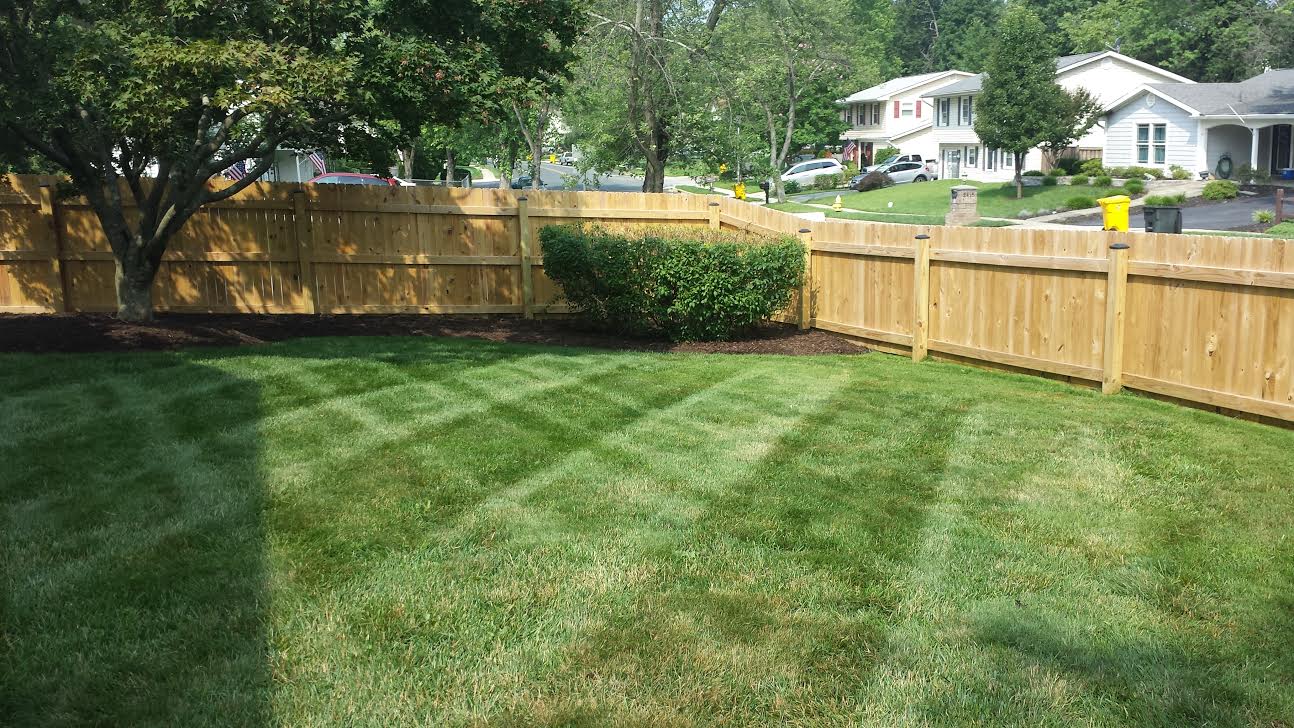
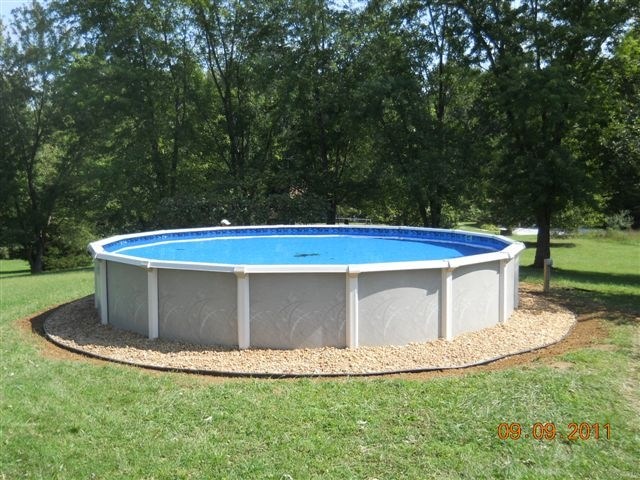
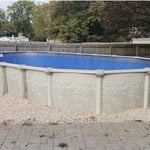
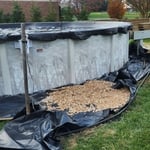
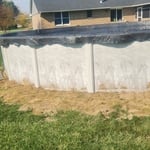
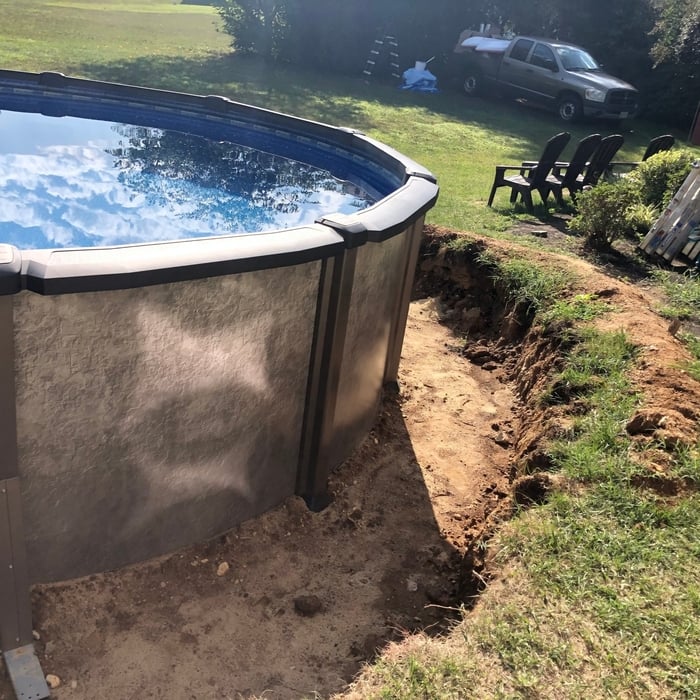
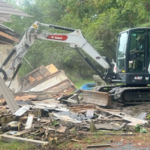
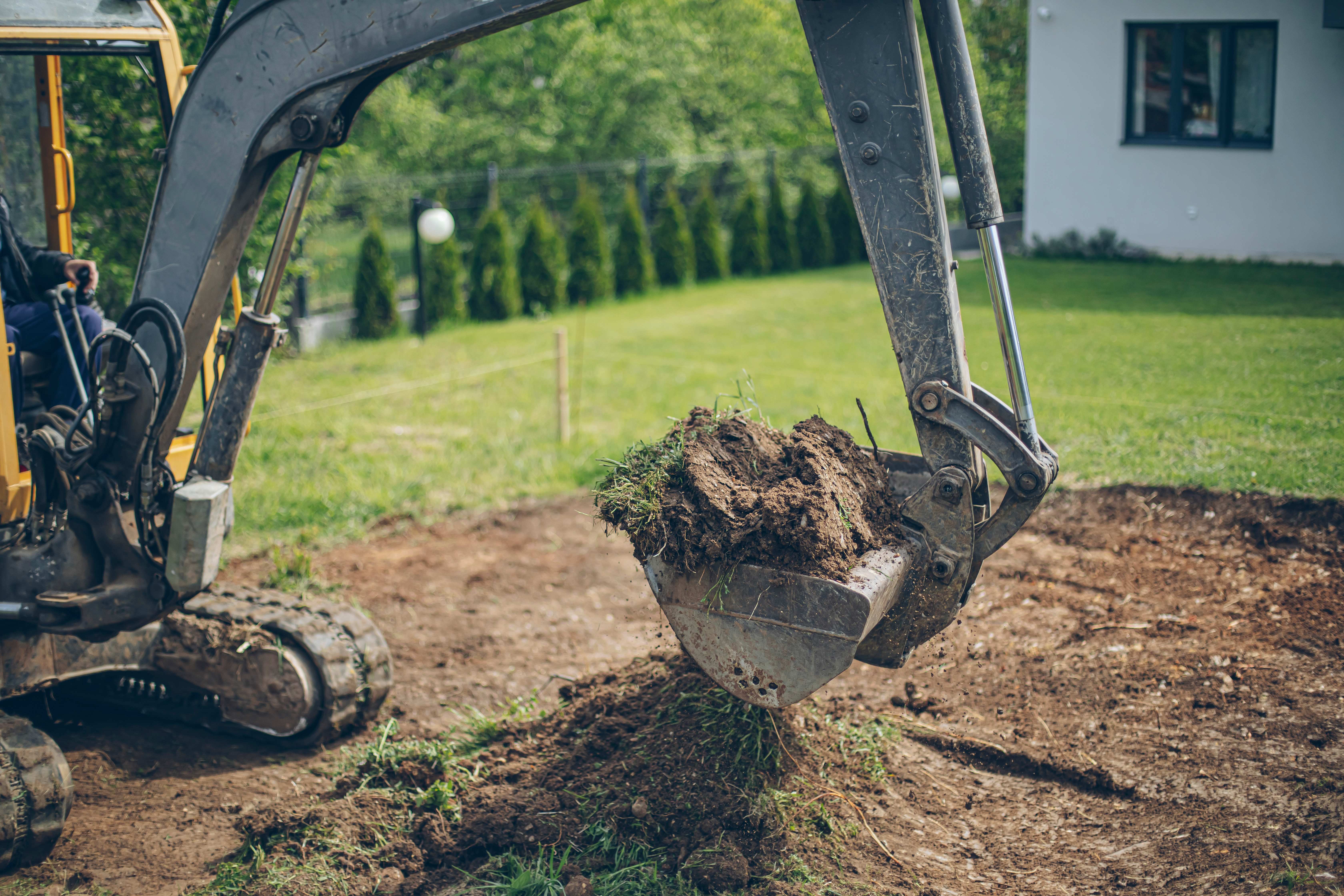
"They did an outstanding job of demolition and removal of my concrete pool and area. Tom explained in detail what was involved making sure that everything I wanted done was included. I was amazed at how quickly and carefully the work was accomplished. Remaining yard and driveway weren't torn up and yard mats were used. They graded and over-seeded with straw and grass was established before winter. Finished in 2 days!"
"They had to dig out a whole wall out of my basement to stop the leaking. They cleaned the basement wall and they resealed it with the latest technology. They were very friendly and cooperative. They worked hard, and came when they said they would. Everything you would hope a contractor would do that did."
"I have had serveral remolding project. Being a single female I never felt comfortable and sometimes they took shortcuts. The Stableworks crew was extremely professional and explained each part of the process. I recommend this company highly."
"It was great. He did the work and he did it fast. They were efficient. Some people told me that it was the best price. They were on time. He was professional."
"Great again, hired them back two weeks after they came do yardwork and land clearing they put up my fence, row my entire property, a chain-link and salt a chain-link gate at the front of the property so people couldn’t use my driveway as a U-turn put an electric gate opener on there and they came out perfect I will be using them in the future and from now on they are my go to company"
"This is an outstanding company to complete your needs. I found them through a family member and was very pleased with the services received. Give J & R Property a call, you won't be disappointed."
Whether you grind or dig up and remove your tree stump depends on your landscaping goals. Using a stump grinder leaves the root system in place for it to decompose over time, whereas digging up the tree stump removes the roots and the stump. Overall, stump grinding is a far simpler process since you won’t need to deal with the roots. Stump removal will make your yard look like a demolition site, but you’ll have an easier time replanting in the same place as your former tree.
The rules for trenching and excavation include setting up and following safety protocols, learning how to use tools and machines properly, and ensuring there is a safe exit for all workers. Keep heavy equipment and materials away from the edge of the hole or trench. Call the 811 dig line before starting any excavation or trenching project to ensure you don’t hit any electrical or gas lines.
Septic drain lines (or leach lines) are typically buried between 18 and 36 inches underground, and should be at least 6 inches below the surface. These pipes are perforated and surrounded by filtering materials like sand or gravel. Burying the lines at this depth helps minimize odors and allows bacteria and other biological processes in the soil to effectively treat the wastewater. Burying lines too close to the surface can cause issues unless the soil is very compact and stable.
In most areas, you will need a permit for excavation work, even for projects that only involve grading or yard leveling. Permit requirements depend on your local government and the scope of the project, but they are especially common for significant digging or work that could affect utilities or public property. These permits help protect the local topography and prevent drainage issues. An experienced excavation company will typically know whether permits are needed and can often handle the process of pulling and closing them for you. You can also verify permit requirements by contacting your local building department and describing your project.
There is no standard depth for burying a septic tank; they are typically buried anywhere from 4 inches to 4 feet underground. The final depth depends on several factors, including the depth of your main sewer line, the height of the bedrock, soil type, local regulations, and the property's landscape. If you plan to grow grass or plants over the tank, a depth of at least 4 to 6 inches is recommended. Deeper tanks can be more difficult to locate, but a septic professional can help find it for you.
The Easton, MD homeowners’ guide to excavation services
From average costs to expert advice, get all the answers you need to get your job done.
Excavation costs $1,500 to $6,300 for most residential projects—but it depends on factors like the size of the area. This guide will help you plan a budget.
You can't have an in-ground pool without digging into the ground. How much does pool excavation cost, and can you take it on yourself? Our guide explains.
Picking the right pro can make or break your project. Learn how to hire an excavation pro with the qualifications and skillset to do the job efficiently.