



Top-rated excavation pros.

Best excavation pros near Wye Mills, MD

Enter your zip and get matched with up to 5 pros

Need a pro for your excavation project in Wye Mills, MD?

Select your specific project to find the pro for you.

Top-Rated Excavation pros in Wye Mills - Updated Nov 2026

Avatar for A-1 Eastern Shore Waterproofing
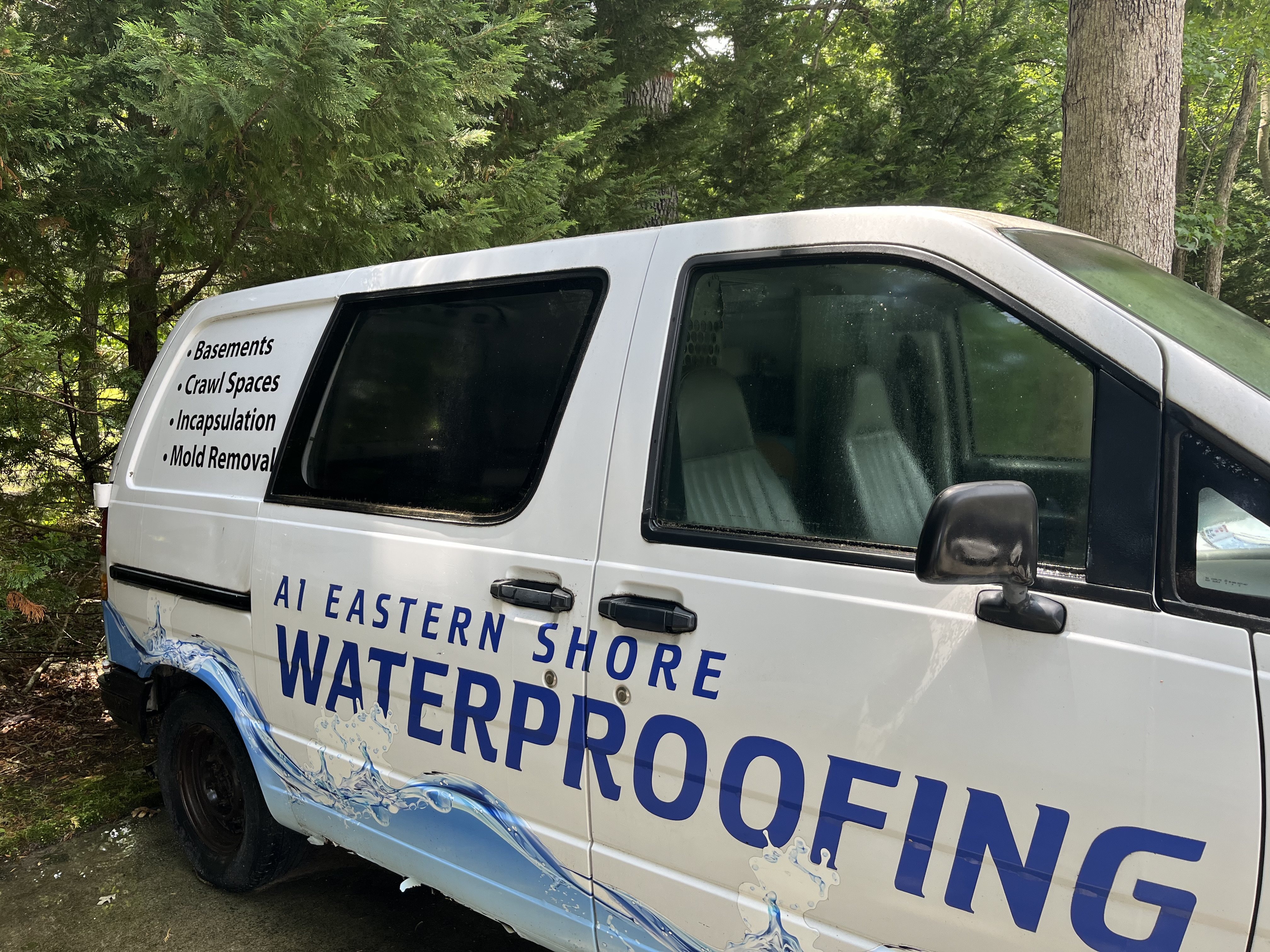
A-1 Eastern Shore Waterproofing
4.8(
6
)
Building Site - Preparation and ClearingBuilding Site - Preparation and Clearing - For BusinessExcavation - Major Grading or Resloping+2 more

Serving Wye Mills, MD and surrounding areas

In business since 1996

Free estimates

Emergency services offered

"The work done is wonderful, we had this put in last year and we've had no problems at all. We had a big storm here last week and everything was fine. It took us a while to find someone we trust, but we trusted Richard Legnaioli. Richard is just a wonderful person and is very pleasant to talk to. I personally would give him an A rating."
Recommended by100%of homeowners

Avatar for Stable Works LLC
Stable Works LLC
4.8(
10
)
Excavation - Major Grading or Resloping - For Business

Serving Wye Mills, MD and surrounding areas

In business since 2022

Free estimates

Credit card accepted

"I have had serveral remolding project. Being a single female I never felt comfortable and sometimes they took shortcuts. The Stableworks crew was extremely professional and explained each part of the process. I recommend this company highly."
Full Kitchen Remodel

+8

Response time6 days
Recommended by77%of homeowners
Showing 1-10 of 40
Excavating FAQs, answered by experts

You can bury underground electrical wire six inches deep—but only if you use a rigid metal electrical conduit. For rigid, non-metallic conduits, bury the wire at least 12 inches deep. If using an underground feeder cable rated for direct burial, you'll need to place it at least 18 inches deep, as it has no conduit for extra protection.

Yes, chipmunk holes may have two or more entrances. Chipmunks can create an entire network of burrows. Having multiple entrances makes it easier for them when trying to escape from a predator, such as a snake, or if an entrance collapses due to flooding. Each entrance leads to the nesting chamber underground, which is where the chipmunk spends the majority of its time sleeping.

The best way to protect tree roots is to avoid the roots entirely by excavating outside the root radius of the tree. For nearby projects, it’s a good idea to construct a temporary retaining wall. But that’s not always possible, depending on the project and the root system. In these cases, consider using alternative equipment like an auger to tunnel under the ground.

Remember, tree roots can damage nearby cement foundations as they grow. If a tree is close enough to interfere with large excavations, it may be better to remove the tree than risk future problems.

We recommend removing the stump, and grinding is a popular way to do it. You can also dig out small stumps or stumps that have fully decayed instead of grinding them. However, don’t try using acids or fire for killing a tree stump, which is a fire hazard and illegal in many areas.

Leaving the stump alone invites eventual problems, including attracting termites, mold, and fungi.

The best method for digging a trench depends on the scope of the project. For a short, shallow trench (less than 2 feet deep) in light, soft soil, digging by hand may be sufficient. However, digging by hand is labor-intensive, so consider the effort required. A machine trencher is the better option for longer trenches (over 100 feet), deeper ones, or when dealing with difficult soil conditions, such as rocky or hard ground, or obstructions like tree roots. A machine can save significant time and energy in these situations.

The Wye Mills, MD homeowners’ guide to excavation services

From average costs to expert advice, get all the answers you need to get your job done.