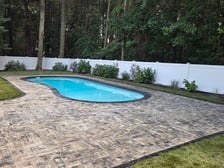
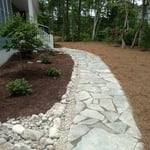
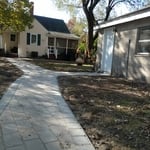
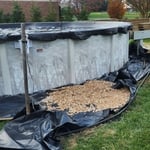
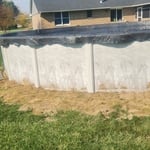
"I had a fuel tank removed and a concrete pool removed. Tom & Josh are TOP NOTCH! Look no further for this type of service. You will not be disappointed."
"The work done is wonderful, we had this put in last year and we've had no problems at all. We had a big storm here last week and everything was fine. It took us a while to find someone we trust, but we trusted Richard Legnaioli. Richard is just a wonderful person and is very pleasant to talk to. I personally would give him an A rating."
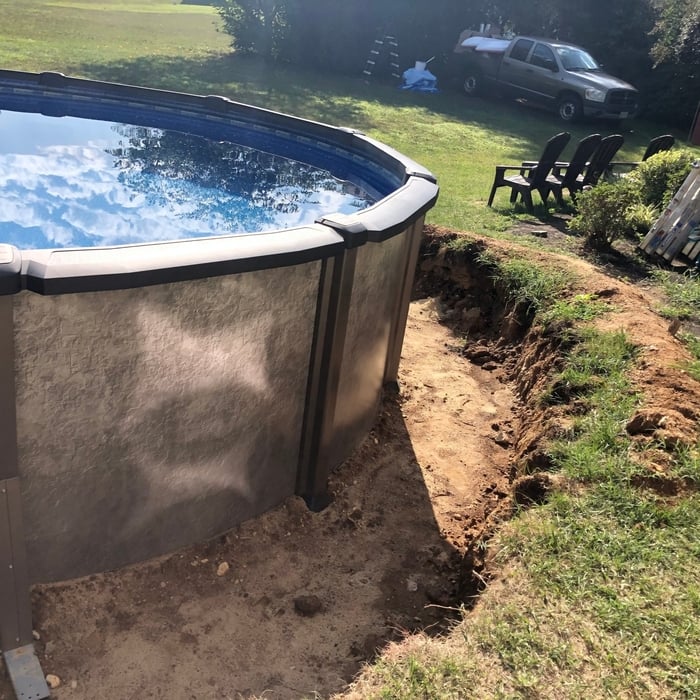
"It went well. When the excavator was working, I didn't really understand when he asked if we wanted to "feather" the uneven ground around the pool- so now we have a lot of ground without the grass that was there because the feathering was put over top of the grass - killing it. Overall, I would recommend C&D's. They were very responsive every step."
"I have had serveral remolding project. Being a single female I never felt comfortable and sometimes they took shortcuts. The Stableworks crew was extremely professional and explained each part of the process. I recommend this company highly."
"This is an outstanding company to complete your needs. I found them through a family member and was very pleased with the services received. Give J & R Property a call, you won't be disappointed."
You can dig 60 to 80 linear feet by hand per day depending on the depth. Digging a 100-foot trench by hand will take you two work days, but it can take longer if you have heavy or rocky soil. If you’re digging a deep trench or one that’s over 100 feet, consider renting a mechanical trencher, such as a walk-behind or ride-on, or calling a pro for help.
The physical constraints of hand-drilling a well limit the depth you can achieve. Manually digging with picks and shovels may only lead to shallow wells of up to 60 feet in depth. To reach greater depths, you need more specialized equipment. The diameter of your well and the tools you’re using will determine how far down you can dig.
Most residential basements are 8 to 10 feet deep. You can dig deeper depending on building codes, but it does become more difficult. You’ll likely need to install stronger foundation walls and additional supports to handle the increased load. Depending on the water table, you may also need a water management system. Clay soil can support a deeper foundation than sandy soil. A structural engineer will be able to tell you the maximum, feasible depth.
Maintain open communication and address issues as they arise, ensuring contract terms cover potential delays.
The cost to repair a crawl space runs between $1,500 and $15,000, depending on the extent of the damage. Major flooding or water repairs can cost up to $10,000 for removal and repairs. If you simply need to clean your crawl space, expect to pay between $2,000 and $6,000 for a major cleanout. Replacing a crawl space beam due to rot or damage can cost between $1,500 and $5,000, while removing and replacing damaged insulation costs between $1,000 and $4,000.
The Cordova, MD homeowners’ guide to excavation services
From average costs to expert advice, get all the answers you need to get your job done.
Excavation costs $1,500 to $6,300 for most residential projects—but it depends on factors like the size of the area. This guide will help you plan a budget.
You can't have an in-ground pool without digging into the ground. How much does pool excavation cost, and can you take it on yourself? Our guide explains.
Picking the right pro can make or break your project. Learn how to hire an excavation pro with the qualifications and skillset to do the job efficiently.