


Top-rated excavation pros.

Get matched with top excavation pros in Denton, MD

Enter your zip and get matched with up to 5 pros

Need a pro for your excavation project in Denton, MD?

Select your specific project to find the pro for you.

Find Excavation pros in Denton

Avatar for Arius Builders and Engineers LLC
Arius Builders and Engineers LLC
5.0(
6
)
Building Site - Preparation and ClearingBuilding Site - Preparation and Clearing - For BusinessExcavation - Major Grading or Resloping+2 more

Serving Denton, MD and surrounding areas

In business since 2022

Free estimates

Emergency services offered

"How Did It go? Saed and his team built us a new garage from the ground up. They handled everything from drawings, permitting, to pouring the slab and framing the garage. They were very responsive to our requests and were very professional. I will definitely recommend them to our friends."
Foundation Plan
New Kitchen
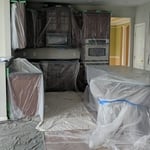
Prepped the kitchen for sanding and hardwood restoration
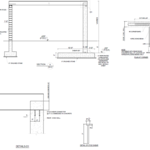
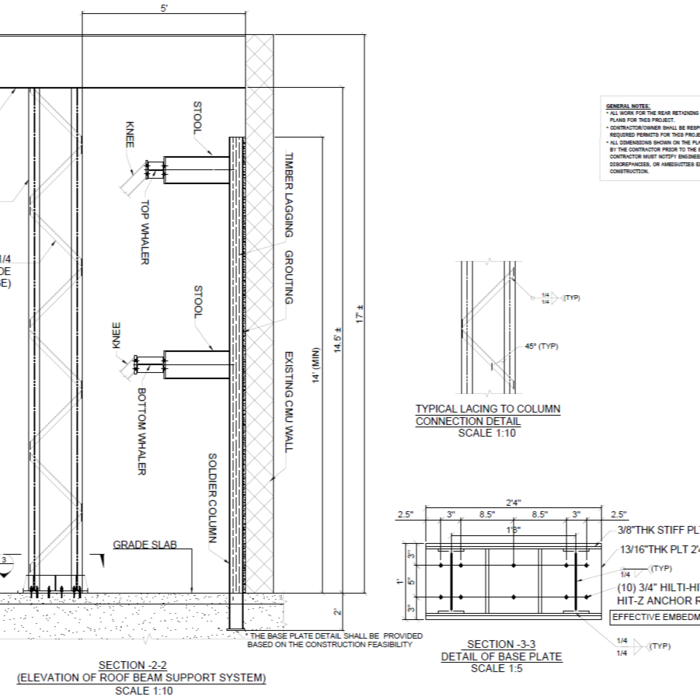
Masonry Depot Structural Elevations
Truss shoring support

+25

Recommended by100%of homeowners
Avatar for Stable Works LLC
Stable Works LLC
4.8(
10
)
Excavation - Major Grading or Resloping - For Business

Serving Denton, MD and surrounding areas

In business since 2022

Free estimates

Credit card accepted

"I have had serveral remolding project. Being a single female I never felt comfortable and sometimes they took shortcuts. The Stableworks crew was extremely professional and explained each part of the process. I recommend this company highly."
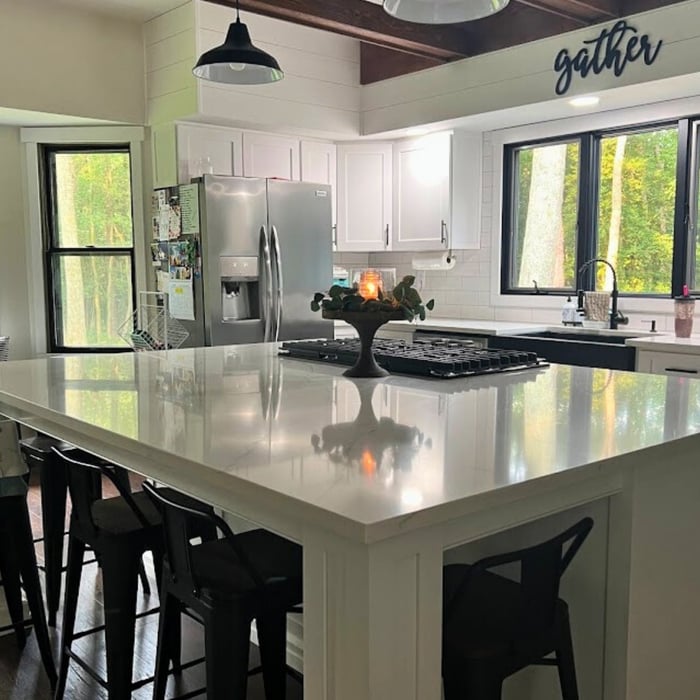
Full Kitchen Remodel

+8

Response time6 days
Recommended by77%of homeowners
Showing 1-10 of 33
Excavating questions, answered by experts

Septic drain lines (or leach lines) are typically buried between 18 and 36 inches underground, and should be at least 6 inches below the surface. These pipes are perforated and surrounded by filtering materials like sand or gravel. Burying the lines at this depth helps minimize odors and allows bacteria and other biological processes in the soil to effectively treat the wastewater. Burying lines too close to the surface can cause issues unless the soil is very compact and stable.

A crawl space can be as little as 42 inches below the grade of your house, but this is not always recommended in flood-prone areas. At a minimum, there must be at least 16 inches of clearance between the ground and the floor joists to access the space in an emergency.

Skunk digging looks like a series of small, cone-shaped holes on a lawn or around the perimeter of a home, porch, deck, or shed. The holes that skunks dig when searching for grubs tend to be no more than four inches in diameter and may be up to four inches deep.

The best way to protect tree roots is to avoid the roots entirely by excavating outside the root radius of the tree. For nearby projects, it’s a good idea to construct a temporary retaining wall. But that’s not always possible, depending on the project and the root system. In these cases, consider using alternative equipment like an auger to tunnel under the ground.

Remember, tree roots can damage nearby cement foundations as they grow. If a tree is close enough to interfere with large excavations, it may be better to remove the tree than risk future problems.

Because decomposed granite is a durable material, a crushed rock or gravel base is optional as long as the DG is properly installed and compacted. However, installing a base is a good idea because it will ensure proper drainage and stability and act as a weed suppressant (although you may still occasionally have to pull weeds). Installing an adequate base can also increase the durability of driveways and walkways. If you forego the paver base or gravel underneath, line the area with landscaping fabric to avoid weeds.

The Denton, MD homeowners’ guide to excavation services

From average costs to expert advice, get all the answers you need to get your job done.