


Top-rated excavation pros.

Get matched with top excavation pros in Saint Michaels, MD

Enter your zip and get matched with up to 5 pros

Need a pro for your excavation project in Saint Michaels, MD?

Select your specific project to find the pro for you.

Find Excavation pros in Saint Michaels

Avatar for A-1 Eastern Shore Waterproofing
A-1 Eastern Shore Waterproofing
4.8(
6
)
Building Site - Preparation and ClearingBuilding Site - Preparation and Clearing - For BusinessExcavation - Major Grading or Resloping+2 more

Serving Saint Michaels, MD and surrounding areas

In business since 1996

Free estimates

Emergency services offered

"They had to dig out a whole wall out of my basement to stop the leaking. They cleaned the basement wall and they resealed it with the latest technology. They were very friendly and cooperative. They worked hard, and came when they said they would. Everything you would hope a contractor would do that did."
Recommended by100%of homeowners
Avatar for Stable Works LLC
Stable Works LLC
4.8(
10
)
Excavation - Major Grading or Resloping - For Business

Serving Saint Michaels, MD and surrounding areas

In business since 2022

Free estimates

Credit card accepted

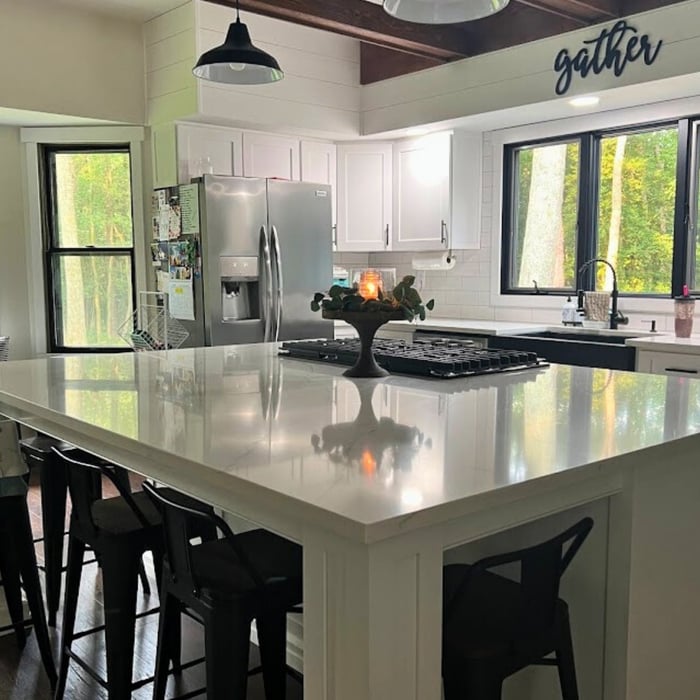
"I have had serveral remolding project. Being a single female I never felt comfortable and sometimes they took shortcuts. The Stableworks crew was extremely professional and explained each part of the process. I recommend this company highly."
Full Kitchen Remodel

+8

Response time6 days
Recommended by77%of homeowners

Avatar for Stewart Boys
Stewart Boys
5.0(
3
)
Building Site - Preparation and ClearingBuilding Site - Preparation and Clearing - For BusinessExcavation - Major Grading or Resloping+2 more

Serving Saint Michaels, MD and surrounding areas

In business since 2020

Free estimates

Emergency services offered

"Great again, hired them back two weeks after they came do yardwork and land clearing they put up my fence, row my entire property, a chain-link and salt a chain-link gate at the front of the property so people couldn’t use my driveway as a U-turn put an electric gate opener on there and they came out perfect I will be using them in the future and from now on they are my go to company"
Handymen Project
Handymen Project
Handymen Project
Additional Photos
Additional Photos

+16

Recommended by100%of homeowners
Showing 1-10 of 39
Excavating questions, answered by experts

Prior to excavation, you should prepare the dig site and call 311 before you sign anything.

To get your site ready for excavation, you should move anything in the area that isn’t affixed to the land. You can save money on the excavation by removing hardscaping, including walkways, decks, concrete patios, and paver patios.

Before you carry out any digging, you should call 311 to confirm that there are no utility lines running through your excavation site. Skipping this step could lead to severe injury and property damage if your excavator hits a water, sewage, or gas line.

A joint utility trench, or joint trench, is a long, buried ditch on a property that contains two or more utility lines rather than running the lines in multiple trenches. Some utilities, like gas and electric or electric and communication lines, are better suited to joint trenching, while others, like water and sewer, are not allowed to be in the same trench.

You can bury underground electrical wire six inches deep—but only if you use a rigid metal electrical conduit. For rigid, non-metallic conduits, bury the wire at least 12 inches deep. If using an underground feeder cable rated for direct burial, you'll need to place it at least 18 inches deep, as it has no conduit for extra protection.

Trenchers can dig holes as narrow as 4 inches or as wide as 4 feet. Check the specifications of the trencher you rent or buy to determine how wide it will cut into the landscape. Better yet, let the excavation company know how wide you’d like the trench to be, and they can help you choose the right trencher for the job (or do it for you).
Most residential basements are 8 to 10 feet deep. You can dig deeper depending on building codes, but it does become more difficult. You’ll likely need to install stronger foundation walls and additional supports to handle the increased load. Depending on the water table, you may also need a water management system. Clay soil can support a deeper foundation than sandy soil. A structural engineer will be able to tell you the maximum, feasible depth.

The Saint Michaels, MD homeowners’ guide to excavation services

From average costs to expert advice, get all the answers you need to get your job done.