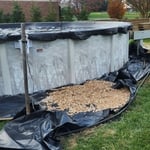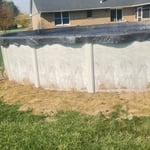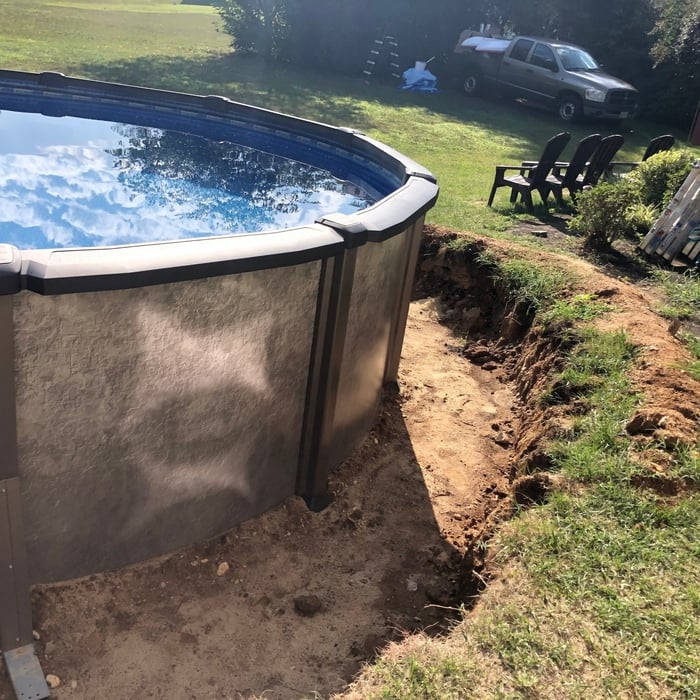




"I had a fuel tank removed and a concrete pool removed. Tom & Josh are TOP NOTCH! Look no further for this type of service. You will not be disappointed."
"He did lots of work with fair pricing. They did a very clean job and was always on time. He finished sooner than originally estimated. I'm very satisfied and they did a great job, and I would use them again"
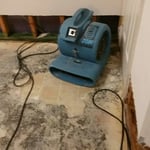
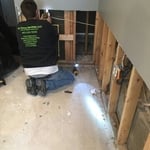
"They had to dig out a whole wall out of my basement to stop the leaking. They cleaned the basement wall and they resealed it with the latest technology. They were very friendly and cooperative. They worked hard, and came when they said they would. Everything you would hope a contractor would do that did."
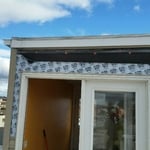
"How Did It go? Saed and his team built us a new garage from the ground up. They handled everything from drawings, permitting, to pouring the slab and framing the garage. They were very responsive to our requests and were very professional. I will definitely recommend them to our friends."
"Great experience beginning to end. We had 3 contractors come out for quotes and Stable Works was a one stop shop that met all our needs (removal of old chain link fence, bushes, trees, and trumpet vines cleared, plus the install of a new vinyl fence) while the other companies would not do the removal and ground prep and not even entertain subcontracting the work out. John provided the quote and gave his recommendations. We had to get the permits (which Iâ ve never had to do with other contractors weâ ve hired), but he was upfront about that and it was a good learning experience for me. Once the permits were squared away, they started early on Monday and by the end of the day Wednesday were complete! Mike and Jonathan were the workers and did a fantastic job. They were quick to get started each morning, hard working, and answered any questions we had. I would recommend Stable Works for all your outdoor needs. They truly are a one stop shop and I look forward to getting them in for the next project."
Trenching and boring are two distinct methods for installing underground utilities. Trenching involves digging a channel using equipment like an excavator, trencher, backhoe, or shovel. While it is a simpler process, it causes significant disruption to the surface, landscaping, and surrounding ecosystems.
Boring, also known as directional boring, is a less invasive alternative that uses a drill to create a tunnel for utility lines without disturbing the surface. This method is more precise and is ideal for installations that need to go underneath buildings, roads, or bodies of water. Although boring is less disruptive, it is generally more expensive than trenching.
Yes. A metal detector is one of the quickest and easiest ways to find your septic tank. However, metal detectors can be too expensive (costing upward of $300 in some cases), and not everyone has a metal detector just lying around. If that’s the case for you, you can also take a long metal rod and poke it into the ground at regular intervals until you hit something—likely your septic tank lid.

The digging depth will depend on the size of the trencher you use. Even smaller units can dig up to 4 feet deep, which is plenty for a DIY job. However, much larger trenchers can reach a depth of 18 feet and are better used by a team of pro contractors, not a single DIYer. As with all home improvement projects, use the right tool for the job and proceed with caution.
The best type of soil to build on is a mixture of sand and clay, known as loam soil. Loam soil has the best combination of these soil types to build a foundation on. The clay particles help with water retention, so it won’t erode like sandy soil might, and the sandy particles help with drainage, so you won’t see unsafe soil expansion or have an increased risk of leaks from water sitting against your foundation.
Trenches are typically 12 to 24 inches deep and 8 inches wide. However, the required depth depends on the specific project and local ordinances. For example, a French drain may need to be 18 inches deep, while a water pipe might require a depth of 24 inches and a drainage pipe 36 inches. Your city or county may have specific regulations, so it's wise to consult with an excavation professional to determine the correct depth for your project.
The Federalsburg, MD homeowners’ guide to excavation services
From average costs to expert advice, get all the answers you need to get your job done.
Excavation costs $1,500 to $6,300 for most residential projects—but it depends on factors like the size of the area. This guide will help you plan a budget.
You can't have an in-ground pool without digging into the ground. How much does pool excavation cost, and can you take it on yourself? Our guide explains.