


Top-rated excavation pros.

Best excavation pros near Preston, MD

Enter your zip and get matched with up to 5 pros

Need a pro for your excavation project in Preston, MD?

Select your specific project to find the pro for you.

Top-Rated Excavation pros in Preston - Updated Nov 2026

Avatar for Arius Builders and Engineers LLC
Arius Builders and Engineers LLC
5.0(
6
)
Building Site - Preparation and ClearingBuilding Site - Preparation and Clearing - For BusinessExcavation - Major Grading or Resloping+2 more

Serving Preston, MD and surrounding areas

In business since 2022

Free estimates

Emergency services offered

"How Did It go? Saed and his team built us a new garage from the ground up. They handled everything from drawings, permitting, to pouring the slab and framing the garage. They were very responsive to our requests and were very professional. I will definitely recommend them to our friends."
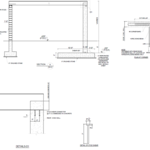
Foundation Plan
New Kitchen
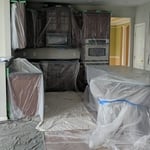
Prepped the kitchen for sanding and hardwood restoration
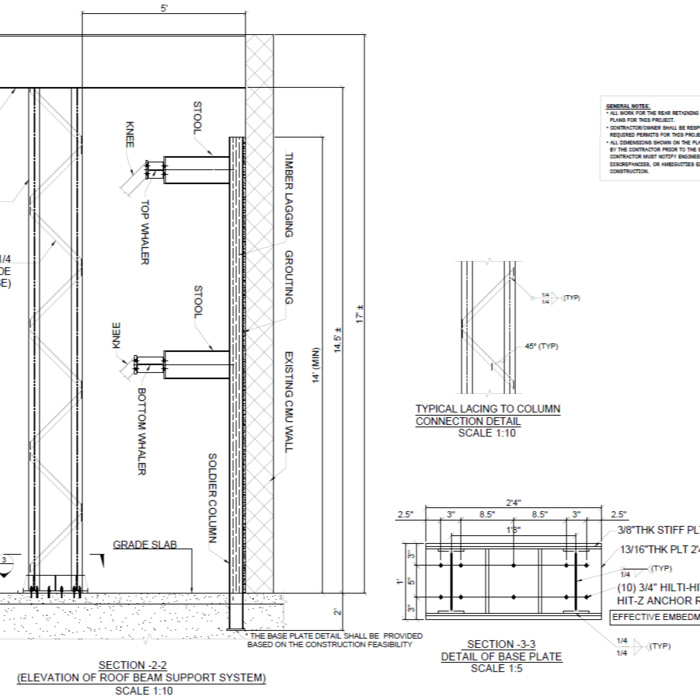
Masonry Depot Structural Elevations
Truss shoring support

+25

Recommended by100%of homeowners
Avatar for Stable Works LLC
Stable Works LLC
4.8(
10
)
Excavation - Major Grading or Resloping - For Business

Serving Preston, MD and surrounding areas

In business since 2022

Free estimates

Credit card accepted

"Great experience beginning to end. We had 3 contractors come out for quotes and Stable Works was a one stop shop that met all our needs (removal of old chain link fence, bushes, trees, and trumpet vines cleared, plus the install of a new vinyl fence) while the other companies would not do the removal and ground prep and not even entertain subcontracting the work out. John provided the quote and gave his recommendations. We had to get the permits (which Iâ ve never had to do with other contractors weâ ve hired), but he was upfront about that and it was a good learning experience for me. Once the permits were squared away, they started early on Monday and by the end of the day Wednesday were complete! Mike and Jonathan were the workers and did a fantastic job. They were quick to get started each morning, hard working, and answered any questions we had. I would recommend Stable Works for all your outdoor needs. They truly are a one stop shop and I look forward to getting them in for the next project."
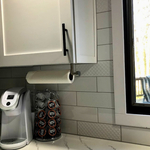
Full Kitchen Remodel

+8

Response time6 days
Recommended by77%of homeowners

Showing 1-10 of 31
Excavating FAQs, answered by experts

Digging a bush up by the roots is the most natural DIY method for removing a bush stump. Start by identifying the shrub type and revealing its roots. Cut the shrub to its base and loosen the soil, ensuring no utility lines are nearby. Optionally, treat the base with herbicide, then dig around the roots and cut a circle around the shrub using various tools. Dig a trench, cut the base of the root ball, and finally fill the hole to prevent regrowth. This thorough process ensures complete removal without damaging surrounding areas.

Yes. A metal detector is one of the quickest and easiest ways to find your septic tank. However, metal detectors can be too expensive (costing upward of $300 in some cases), and not everyone has a metal detector just lying around. If that’s the case for you, you can also take a long metal rod and poke it into the ground at regular intervals until you hit something—likely your septic tank lid.

Skunk digging looks like a series of small, cone-shaped holes on a lawn or around the perimeter of a home, porch, deck, or shed. The holes that skunks dig when searching for grubs tend to be no more than four inches in diameter and may be up to four inches deep.

The best method for digging a trench depends on the scope of the project. For a short, shallow trench (less than 2 feet deep) in light, soft soil, digging by hand may be sufficient. However, digging by hand is labor-intensive, so consider the effort required. A machine trencher is the better option for longer trenches (over 100 feet), deeper ones, or when dealing with difficult soil conditions, such as rocky or hard ground, or obstructions like tree roots. A machine can save significant time and energy in these situations.

Sewer lines can be buried anywhere from 18 inches to 8 feet deep, with a common average depth between 18 and 30 inches. The exact depth depends on local factors like climate and soil type. In colder regions, pipes must be buried deeper (below the frost line) to prevent freezing, sometimes as deep as 8 feet. The digging depth can also impact the cost of sewer line replacement. To find the specific depth for your property, you can check the building plans for your system, which should be on file with your city or local sanitation department since permits are required for installation.

The Preston, MD homeowners’ guide to excavation services

From average costs to expert advice, get all the answers you need to get your job done.