

Top-rated plumbers.

Get matched with top plumbers in Simpson, LA

Enter your zip and get matched with up to 5 pros

Need a pro for your plumbing project in Simpson, LA?

Select your specific project to find the pro for you.

Find Plumbers in Simpson

...
Showing 1-10 of 60
Plumbing questions, answered by experts

To help your plumber understand your situation quickly and help facilitate your repair, you should be ready with your name, address, whether the plumbing problem is an emergency, whether you tried to fix the problem yourself and the steps you took, and your availability for the plumber to pay a visit.

In most cases, drain cleaners will not clear a clogged sewer line, and they’re likely to damage your plumbing. Sewer lines are several inches wide, meaning any material that clogs it will need to be large. Drain cleaner can work on small clogs, but it usually won’t clear a larger one in a sewer main. Drain cleaners can also easily damage and corrode your plumbing with prolonged contact, and a clog will keep the cleaner in contact with the pipes for an extended period. Hire a professional sewer cleaner instead for a safe fix.
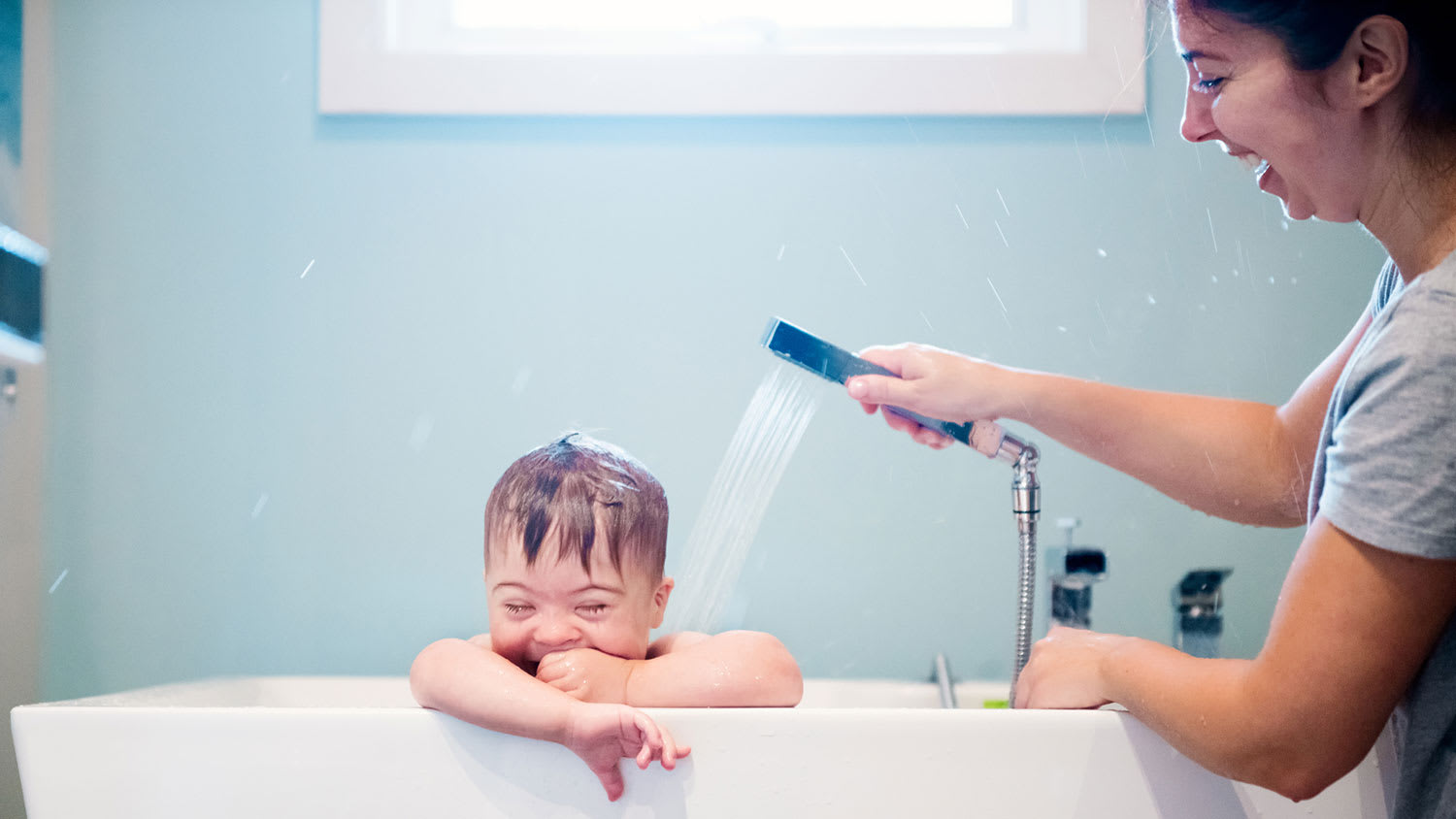

Toilets typically connect to your main vent stack, a vertical pipe that runs through all finished levels of your home and exits through the roof. It’s located behind the walls, but if you have an unfinished basement or a utility closet, you may find a portion of it running the vertical length of the space. Some basement toilets use an air admittance valve instead, which is a small vent located in the wall directly behind the toilet that extends upward a few feet from the drain.

Only portable washers and dryers function without a full hookup, though in most cases, you will need the proper plumbing, electrical, and ventilation installation. However, many homes already have a washer and dryer hookup installed, in which case, all you need to do is attach your new appliances to the existing hookup. If you're not sure whether you have a functioning hookup, you can call a plumber to come and assess your setup for you.

Water lines are buried at various depths, depending on the type of line. For example, most sprinkler lines are buried between four and 12 inches underground. On the other hand, water mains usually sit between one and 3 feet below ground. However, they can go even deeper in cold climates to prevent freezing.

The Simpson, LA homeowners’ guide to plumbing services

From average costs to expert advice, get all the answers you need to get your job done.