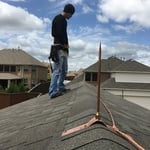
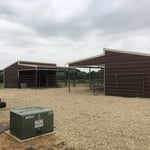
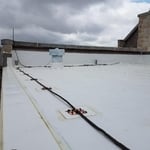
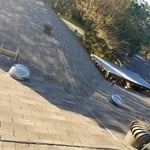
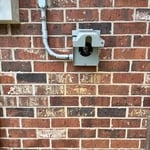
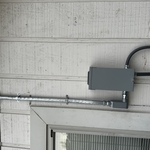
"Ed Riley is extremely knowledgeable about what causes lighting and how to protect from it. He explained to me which and how structures develop static electricity that lead to lighting discharges in a way that the physics made sense to me. They were also reasonably priced and kept their word. Definitely recommend them."
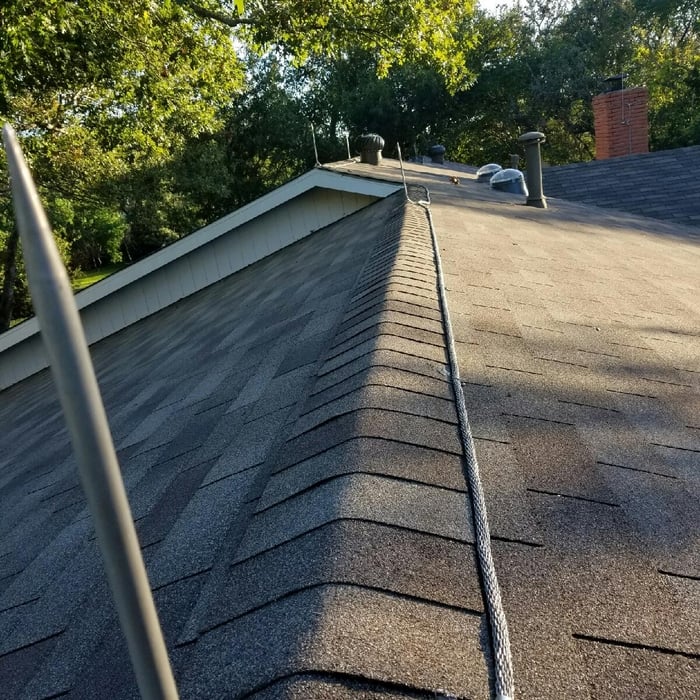
J Corrigan Lightning Rods Has been in business for over 50 plus years. We specialize in all your lighting rod needs. We also provide high quality customer service. We do service in the states of Texas, Colorado, Louisiana, Oklahoma, Mississippi and Alabama. Please give us a call today.
The modern suburban and small town home of today has become an ideal lightning target. The home owner would do well to recognize lightning for the destructive force that it is and protect against this major life and fire hazard.
\n
\nDonohue's Lightning Rods is based in Missouri, near the factory where most of the residential and commercial lightning rod supplies are manufactured. Jim travels regularly to Texas, Louisiana, Arkansas, Missouri, Kansas, Montana, Wyoming, Colorado, and New York. Call today to find out when Jim will be in your area. For installations outside Missouri, Kansas, or Texas, Jim waits until there are a few customers lined up, thus being able to provide the same quality services at affordable prices.
\n
\n
\n**WE DO NOT DO ELECTRICAL SERVICES.** (ONLY LIGHTNING RODS)
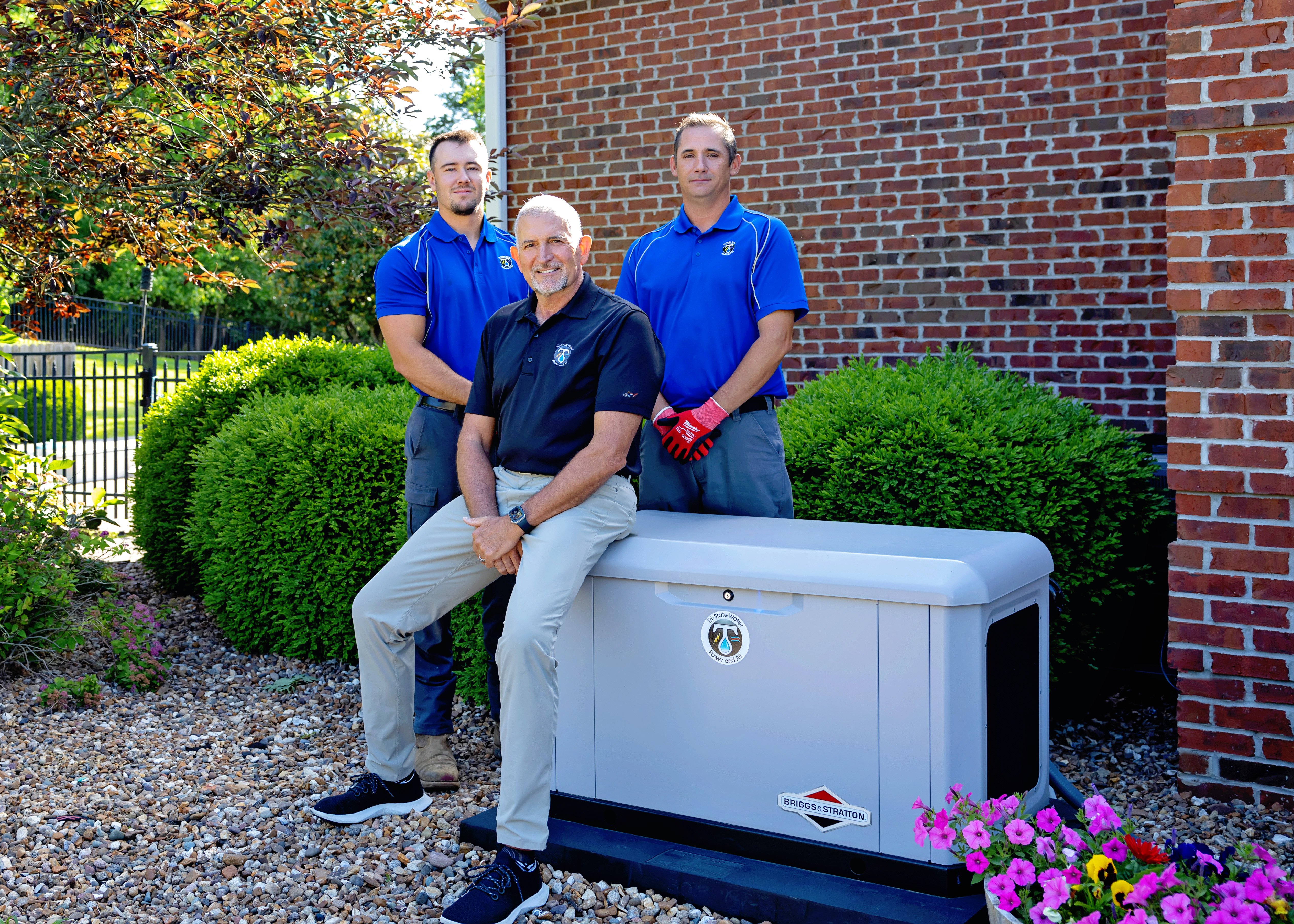
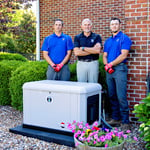
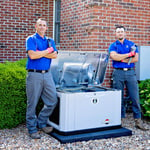
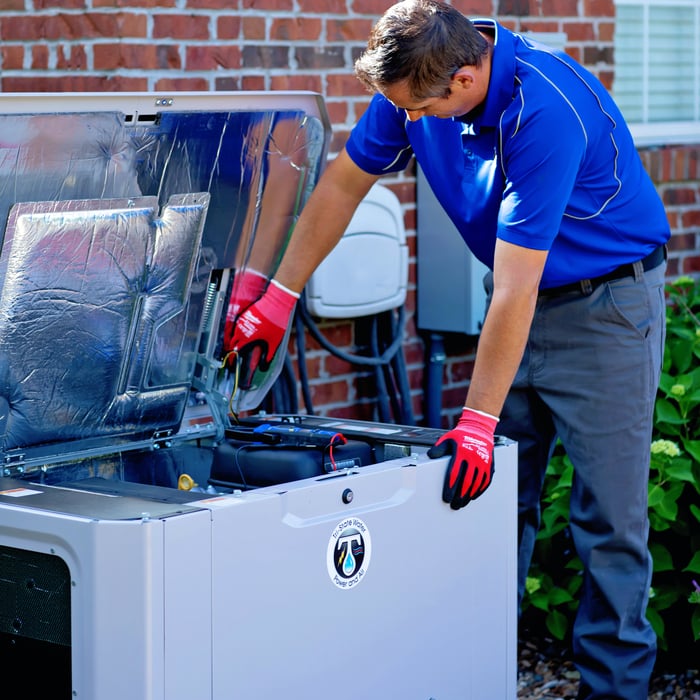
We are the experts in the field of Whole Home Generator Sales and Installation, with over 20 years of experience in the game. We provide turn-key installation by licensed professionals - 24 hour emergency service - Remote Monitoring - Long term maintenance and service by factory trained technicians.
Our Company provides a one-stop solution for all of your voice, internet, and telecom needs. Leveraging the Cloud we provide your Office state-of-the-art telephones for little or no upfront cost striving to keep your monthly costs the same. Sound too good to be true? Give us a call and we will show you how.
4LP, LLC specializes in generator maintenance and installation, lightning protection, and surge protection for commercial and residential clients. We are always focused on developing innovative, customer-centric solutions. Experts in the field, we strive to combine the latest and greatest in technology with second-to-none customer service. We are very detailed and quality-oriented, providing outstanding services for each and every project that we handle. We also provide superior service at reasonable prices. Often, a complete lightning protection plan will afford many homeowners a 15% discount on their homeowners policy.
\n
\nCall 4LP, LLC today for scheduling and more information on our services.
\n
\nCompany references are available upon customer request.
I'm an affordable server in all services I offer. I'm reliable and my mind set is do it right the first time so we can both be happy. Will do the service needed the right way.
We take great pride in our experience, expertise, quality, and customer service that we provide to meet the consumer's needs. It is our mission to provide excellent workmanship and complete customer satisfaction, from the start to the completion of a project. In order to understand the needs and expectations of our customers, we take great care to work and communicate with every customer a professional manner. Our reputation is based on service, safety, and quality, regardless of how large or small the job.\ngenesisletitbelightelectric.com
Let them know exactly what type of job you need them to do, and be as specific as possible to get the most accurate estimate. A photo of your project might help them better understand your needs. Ask what kind of prep you should complete before they visit and what kind of cleanup to expect after the visit. Finally, ask how long the project usually takes.
It might seem tempting to use 14-gauge wires for your outlets, as they can run a little cheaper. But, when it comes to electrical work, it’s best not to cut costs less you overload your circuit. A 12-gauge wire will ensure that you’re protecting the outlet (and your circuit breaker) from any potential overloads that might incur, as it can handle a little more amplitude than a 14-gauge wire.
Electrical fixes are best handled by a licensed electrician, but it’s possible to release a wire connection on your own. Be sure to always turn off the power to the outlet at the circuit breaker before beginning your project to avoid electric shock. Carefully insert the tip of a flat screwdriver into the rectangular hole beneath the wire. Hold the outlet in the palm of your other hand. Pull out the wire as you apply pressure with the screwdriver.
Homeowners should avoid replacing a circuit breaker without turning it off. While you technically can replace a circuit breaker without turning off the main breaker—and professionals can and do—it’s only safe for electricians to use this process. Working with a live panel is extremely dangerous if you don’t have experience working with electricity. Always follow safety measures to avoid electrical shock.
No, it is not safe to use an outlet that sparked. A spark from an outlet could indicate a short circuit, loose or frayed wiring, or other serious damage. Continuing to use an outlet that sparks can increase the risk of electrical shock, electrical fires, and other hazards. It's important to turn off the power to the outlet at the circuit breaker if possible and avoid using the outlet until a licensed electrician has inspected and repaired it.
The Simpson, LA homeowners’ guide to electrical services
From average costs to expert advice, get all the answers you need to get your job done.
Before you hire a licensed electrical contractor, you should learn the cost to run electric from the road to your house so you can budget for the project.
Whether you’re shopping for a new home or simply doing a safety check on your current place, learn what factors influence an electrical inspection cost.
Is it time to upgrade your electrical panel? For the sake of safety, find out sooner than later by exploring our top signs that it’s time for an upgrade.