
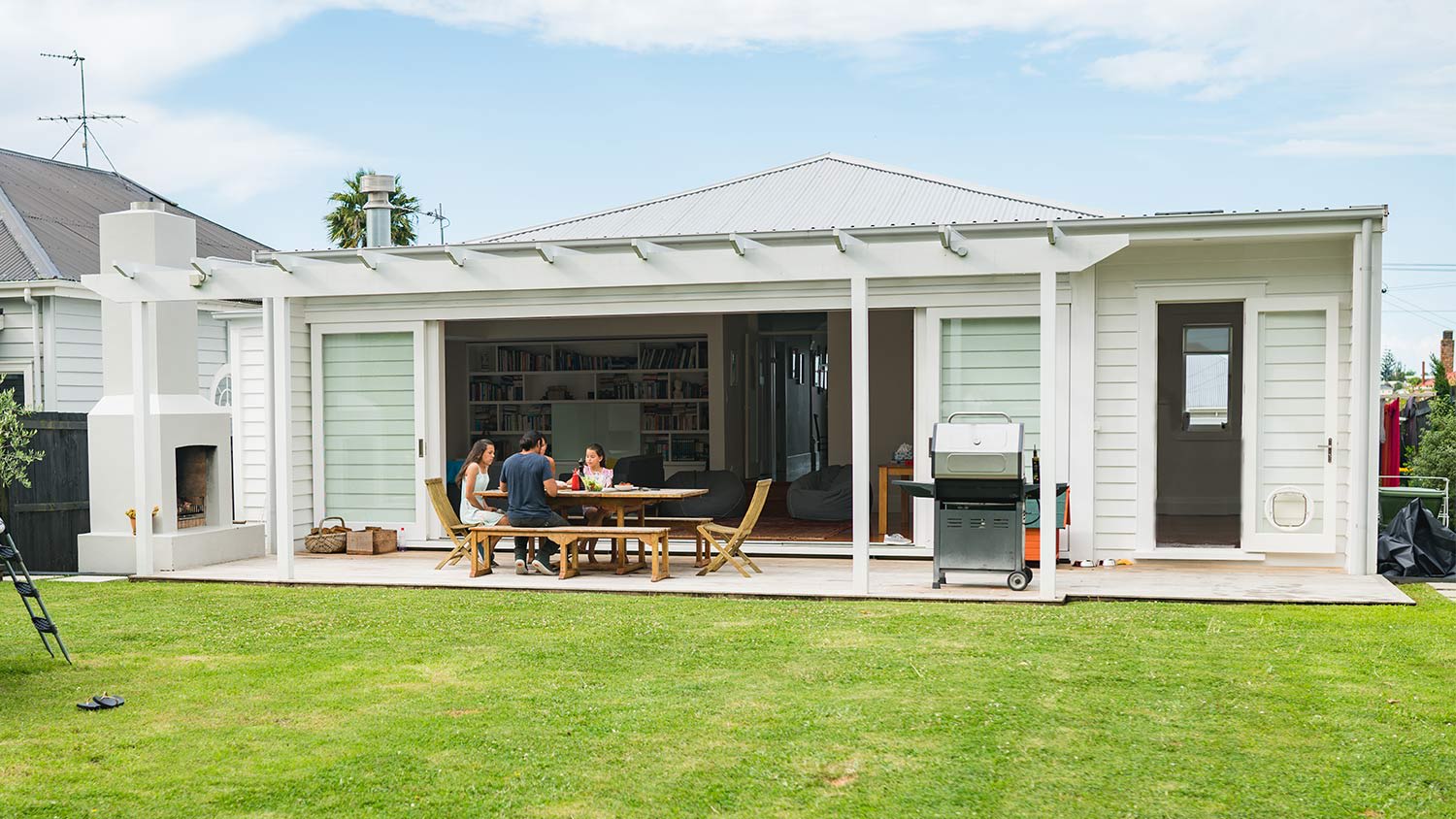
Dreaming of building your own home from the ground up? Learn how much it costs to build a house yourself and if it’s worth it to skip the pro on this project.
Before you get started, know the plumbing basics

Planning plumbing for new construction starts with knowing your needs across bathrooms, kitchens, and laundry rooms to guide your plumbing professional effectively.
Grouping water-based appliances and fixtures in your home reduces the number of supply lines and helps keep plumbing installation costs down.
Placing your water heater and furnace in the basement or a ventilated utility closet keeps them accessible while providing the airflow they need.
Hiring a local plumbing professional removes the guesswork from wet wall layouts and fixture spacing, keeping your new build on schedule and up to code.
There’s nothing more thrilling than getting the chance to build your own home from scratch. You can make every single part of the house cater to your needs, and that includes the plumbing. Planning plumbing for new construction can be overwhelming for a novice, but don’t worry—we’ve got everything you need to know before you begin your big project.
Before you hire a plumbing professional to start work on your new build plumbing, think about what you and your family will actually need. A local plumber can give suggestions, but only you know best what you want most for your home.
Though the plumbing fixtures in a bathroom may seem straightforward, there’s actually more going on behind the scenes than you might realize.
Generally, you’ll need a minimum of one sink, toilet, and shower or bath per bathroom. But it’s up to you to decide exactly how many of each and in what arrangement you want them. For example, it’s not uncommon to have two sinks in a primary bathroom, as well as a shower and a bathtub.
These fixtures typically connect to a wet or shaft wall, where the water lines and drainage pipes are located. Code dictates how far out to space these fixtures, and there need to be at least six pipes to service all of them: Separate hot and cold supply lines for both the sink and bath or shower, a cold pipeline for the toilet, and a sewage drainpipe that connects to all of them. You may even need less than that if you plan a powder room with just one toilet and sink.
Plan as much of this layout as possible before hiring a plumber near you to make the rest of the organization process as smooth as possible.
Before planning the layout of your kitchen plumbing, determine exactly which water-based appliances you will install. Dishwashers, sinks, water purifiers, and pot fillers each require hot and cold water supply lines and one sewage drainpipe to connect most of them.
Unlike the bathroom, a wet wall isn’t necessary in kitchens. That means you have more freedom to place appliances and plumbing fixtures where you like, though it is important to remember to group them to keep plumbing costs down. For example, you don’t need to place your sink against a wall. It can be part of your kitchen island, but you’ll have to run fewer supply lines if you install the dishwasher in the same vicinity.
Laundry or utility room plumbing is quite complicated despite seeming simple. That’s because these spaces often feature or require a lot of fixtures and piping that won’t be present together in other rooms. That includes fixtures like boilers and dryers and water, gas, and electric lines all in the same place.
Setting up plumbing for a laundry room is a lot like the bathroom, with a few differences. For example, washing machines connect to supply and drainage hoses rather than pipes. They are more likely to break quickly from wear and tear than bathroom pipes, so you may need to replace them more often.
Laundry or floor drains are another common plumbing fixture found in laundry rooms but not necessarily bathrooms. These drainage systems need special care during installation and beyond to prevent sewage gas from re-entering your bathroom. Connecting a p-unit—or U-shaped pipe—to your washing machine drainage system will prevent foul odors from filling your space.
Before you start talking to plumbing professionals in your area, you need to learn more about required permits and apply for them.
Some plumbing professionals may obtain permits on your behalf, but don’t just assume they will. Ask the pros you hire, and if they can’t get you permits, speak to your local department of building safety.
Permits keep your house safe; each project with a permit requires different levels of inspection. It’s a must for a bigger project like adding plumbing for a new house.

Nobody expects you to become a plumbing expert overnight; it’s a trade that takes professionals years to master. But educating yourself about the basics before you get started can keep you from feeling confused or in over your head when the project gets underway.
The internet can point you towards several fast, comprehensive, but easy-to-digest guides to plumbing for beginners (like this one). Any number of these will help familiarize you with the terms, tools, and techniques likely needed for the job.
Whether your new plumbing is going in the basement or on the main floor of your home, you must keep it all in the same area, so it’s easier for licensed plumbers to identify issues when they arise.
Plan for your water heater, water softener, furnace, sump pit, sewage ejector pit, main water shut-off valve, and sewer connection all to be in the same space.
You want your water heater and furnace in a part of your home where they are well out of the way, but where they have space and enough airflow to keep them safe and operational.
Don’t have a basement? Don’t worry! You can have your water heater and furnace installed on the main floor of your home in a space like a ventilated utility closet.
Make sure you install a drain pan underneath your water heater. Drain pans help collect any stray drips, preventing water damage. Have your drain pan connected to the sewer so you can direct moisture away from your house.
Sometimes, when people add plumbing to crawl spaces or utility closets, the main water shut-off valve is put beneath the house or in another difficult-to-access location.
If you have a basement, make sure your main water shut-off valve is close to or adjacent to your water heater. If you don’t have a basement and are installing these items on the main floor, ensure the main water shut-off valve is easy to reach and unobstructed.
A water softening unit removes minerals to, well, soften the water. You might not plan to install one in your home, but make sure you have the plumbing in place for one anyway. A house is an investment and, should you choose to sell down the line, being able to easily add a water softener will increase your property value.

In most homes, each room that requires plumbing has a dedicated wet wall. All that means is that the plumbing components are housed in one wall. You can save time and money if you talk to your plumber about the possibility of two rooms, like a kitchen or a bathroom, sharing a wet wall. That means less time and less construction, too.
The devil’s in the details. You could have the best new plumbing in the world, but it won’t do you a lick of good if the water your sump pump discharges flows toward your home’s foundation.
Over time, water damages the foundation’s structures by breaking down the materials slowly but surely. Make sure you communicate with your plumbing pros and get that discharge as far from the house as possible to keep you and your family nice and dry for years to come.
Positive experience. As previously stated, the replacement/repair could not be completed (no fault of the plumbing tech) b/c misinformation was rec?d by property management maintenance. Thanks to the plumbing tech for your efforts. Appreciate you!
 The Waterworks
If you want to pay the most exorbitant prices possible for your job, this is the company for you. “By the job” pricing is a rip-off, at least how these people use it. Every job is plugged into a category and prices are set by category. You might have a job that takes half an hour or one that...
 Benjamin Franklin Plumbing
Cole has been handling plumbing and general contracting for our four properties over the past three years, and he’s always done a great job. Most recently, he installed a sink and countertop in our retail store where none existed before, and it turned out exactly how we needed. He’s...
 ANB Renovations LLC
Matt is a consummate professional. The work turned out to be far more difficult than expected and rather than turn the job down, Matt rose to the occasion and completed a near impossible task. I can not recommend Greene's Plumbing Service more highly. On a scale of 1-5 I would give Matt a...
 Greene's Plumbing Service
Involved an extensive bathroom remodel, including removing tub & installing walk in shower, new drywall, custome tile work to ceiling, plumbing, etc. Overall, job was done on time and on budget. Nick & his team were very professional and had high attention to detail. Quality was great. Highly...
 Stamos Flooring and Remodeling LLC
Awesome company. Had a jacuzzi tub taken out and replaced with huge walk in shower with partial glass enclosure. Onyx to the ceiling with a decorative border, moved plumbing and installed hand held shower, new ceiling, flooring, and paint. Replaced window with glass block. Everything was done...
 Columbus Bath Design
The initial quoted price from a walk-through seemed high, but we discussed that the quote represented worst case scenario (re-wiring to two floors) and we were excited about the opportunity to have the work done in a timely manner with closing for fire safety reasons, etc. When the job was...
Initially, I called the Service People to have a leaking garbage disposal replaced. I had purchased a special deal through Angie's List: $79 for $200-worth of plumbing services. <br /> When I went to schedule the work, the earliest date I could get through Angie's List was after the upcoming...
This company did a very good job on the brick wall and it looks just amazing. The staff was always professional and was practically OCD on how the bricks were stacked and how they were laid. Although it took longer than expected, I am willing to sacrifice time over perfection anyday. The...
 My Handy Mate LLC Improvement & Remodeling
<p>I am so glad we called Rotor-Rooter. I was hesitant to call them because we usually prefer to give business to local providers. But when we had sewage back up in our basement on a Saturday evening, I had a hard time getting a hold of someone, not to mention the high weekend/evening rate...
 Roto-Rooter Plumbing & Water Cleanup
From average costs to expert advice, get all the answers you need to get your job done.
Dreaming of building your own home from the ground up? Learn how much it costs to build a house yourself and if it’s worth it to skip the pro on this project.
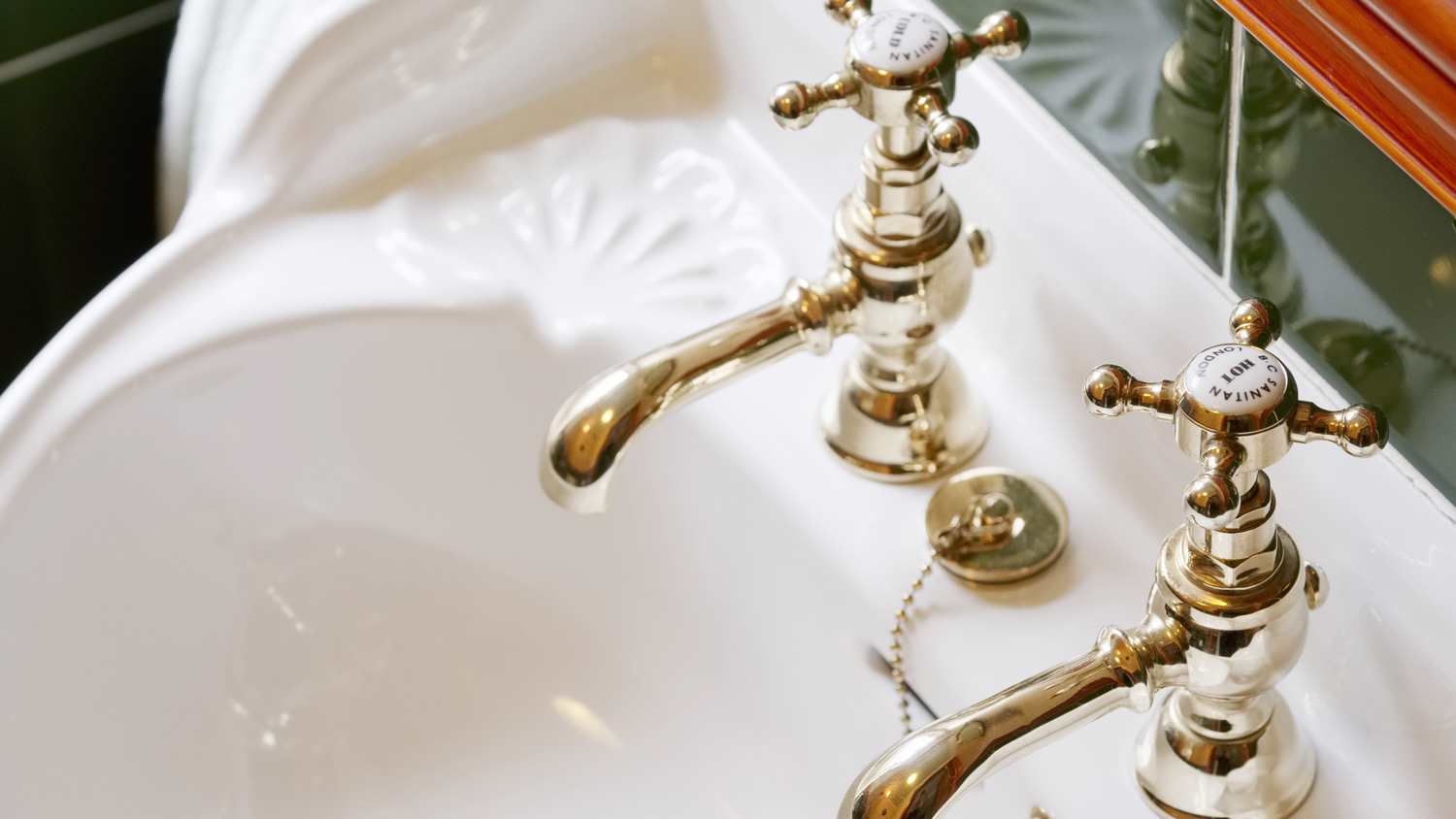
Whether you own an older home or are looking to purchase one, look for signs of these common old plumbing problems and learn how to handle them when they arise.
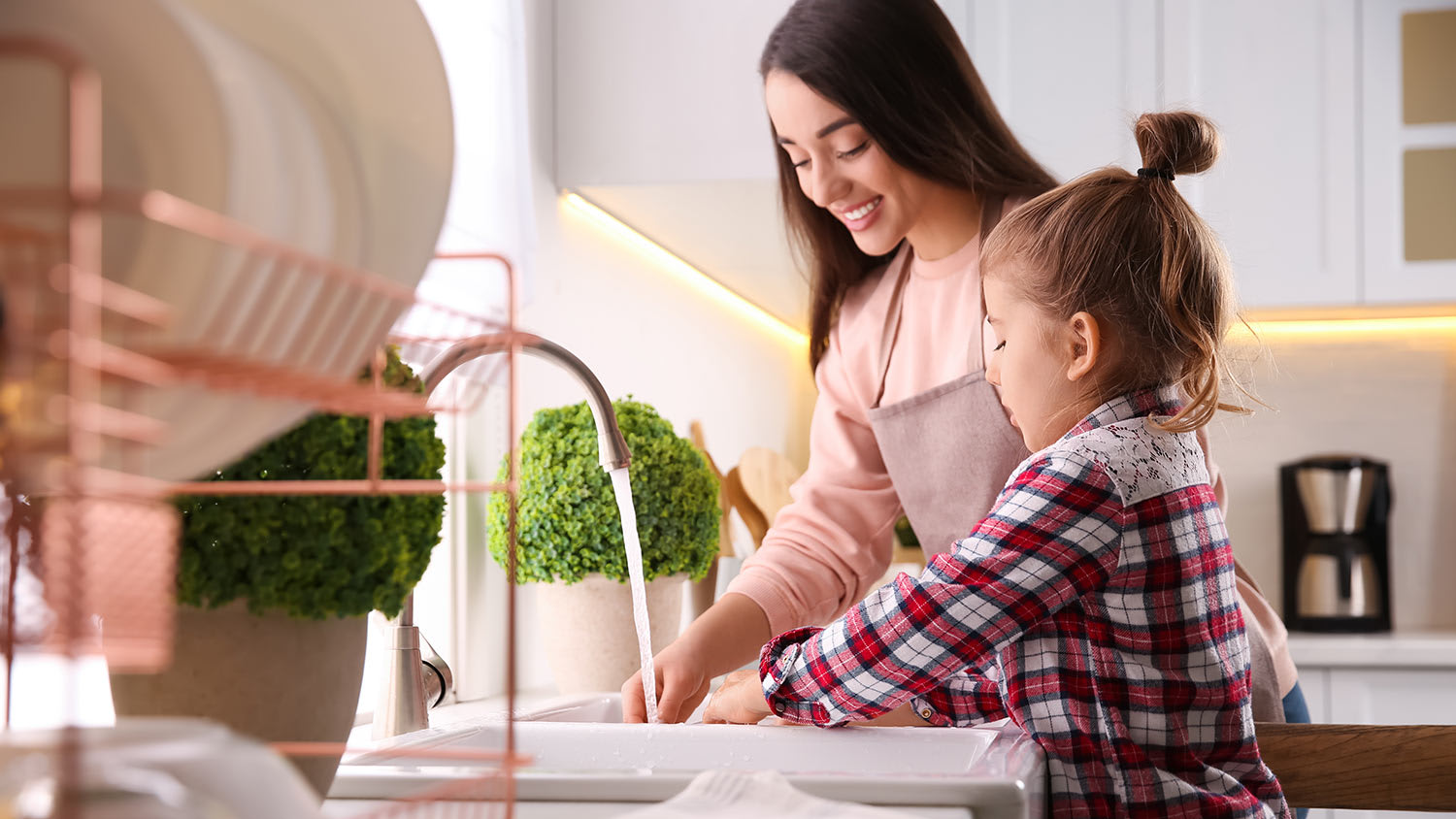
Need to create a residential plumbing design layout but don’t know where to start? Learn essential plumbing components to create the perfect layout for your home.
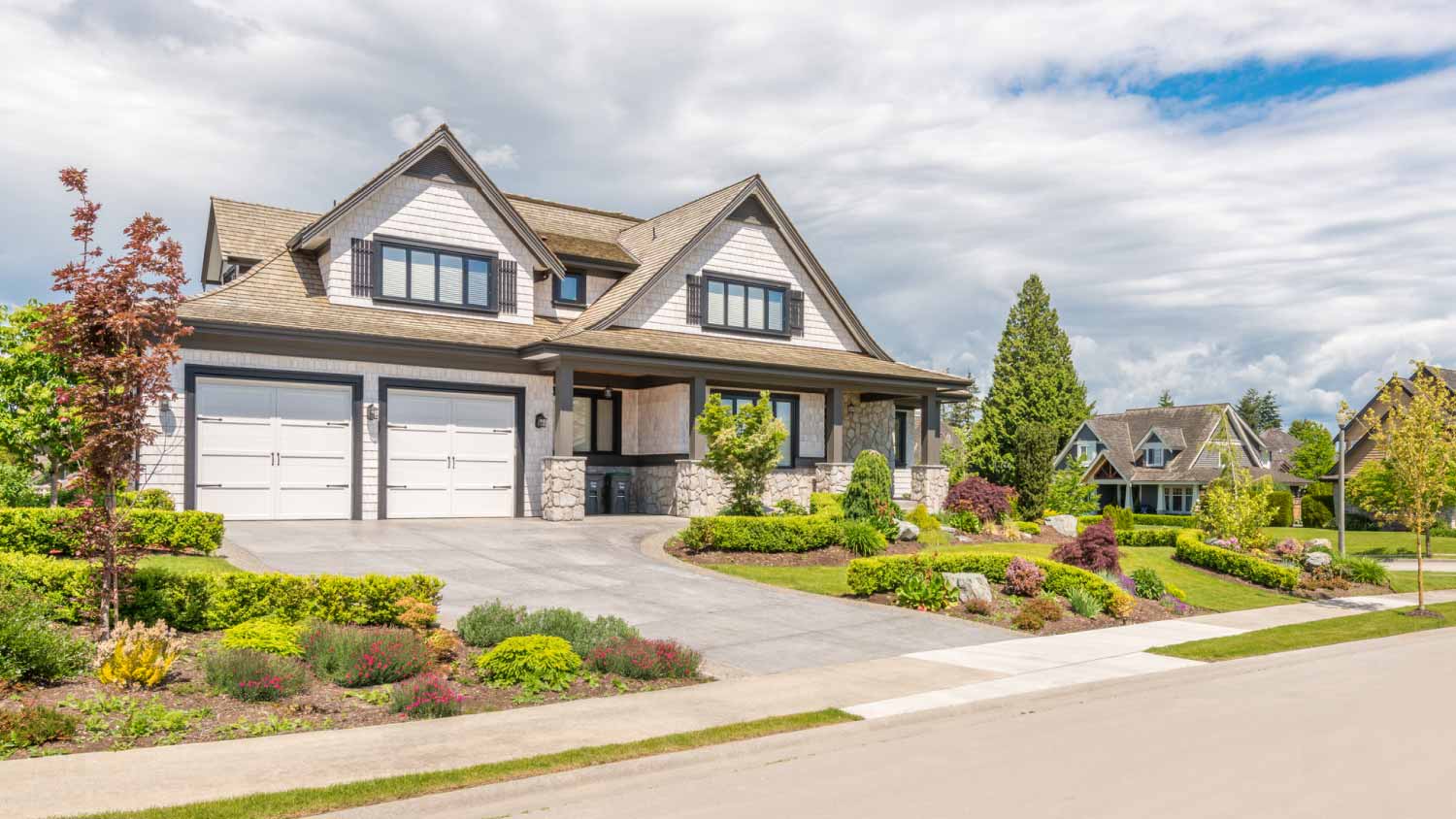
If you’re considering new construction, use these tips for building a house to get the home of your dreams, and ensure you don’t run into any problems.
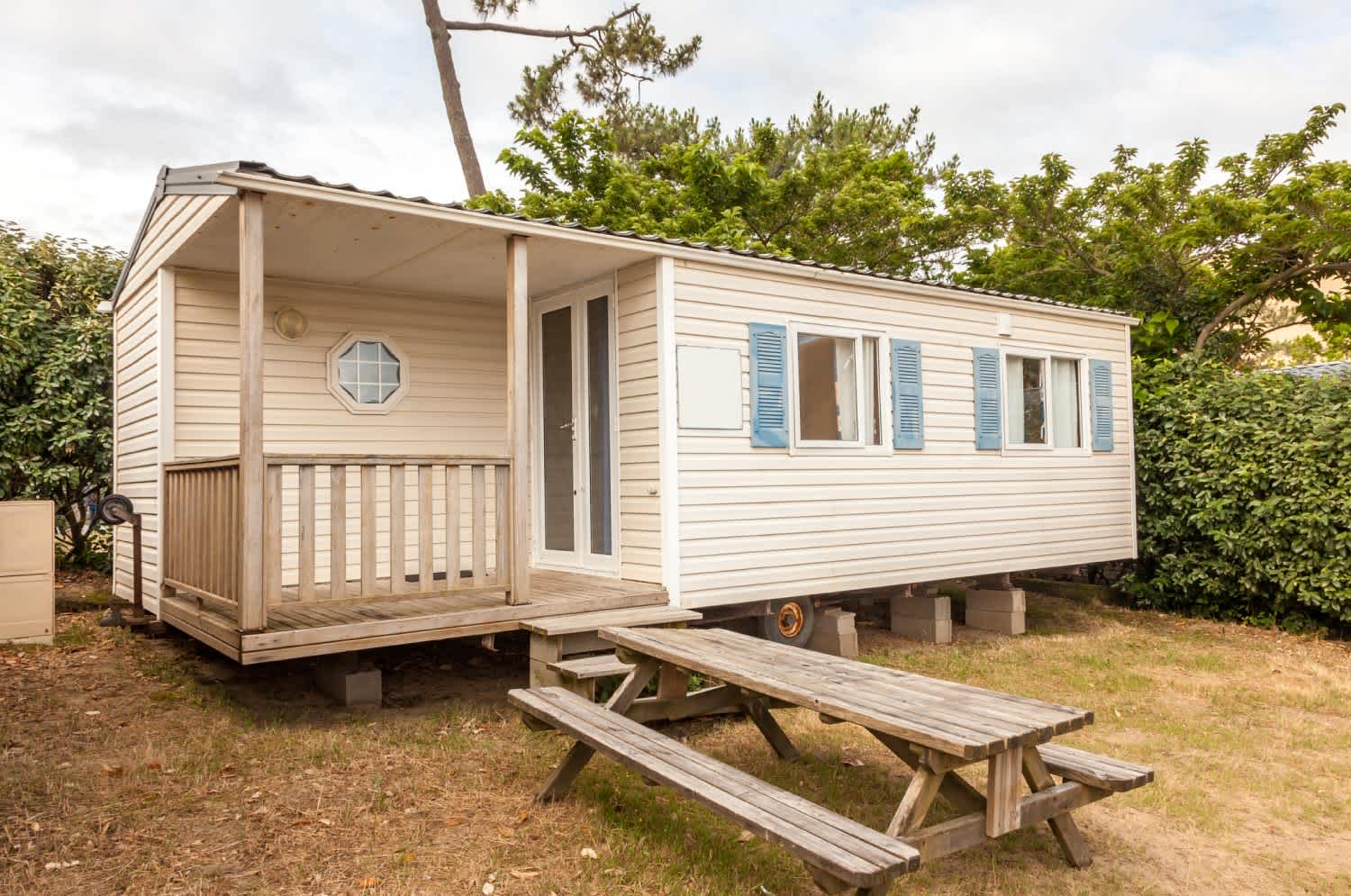
If you're looking to hire a mobile home plumbing expert, these are the questions to ask, red flags to look for, and steps to take after the job is done.

Getting a home plumbing inspection is essential maintenance and one of the most important aspects of the process of selling your home. These are the key plumbing features that you should be sure are addressed during your next inspection.