

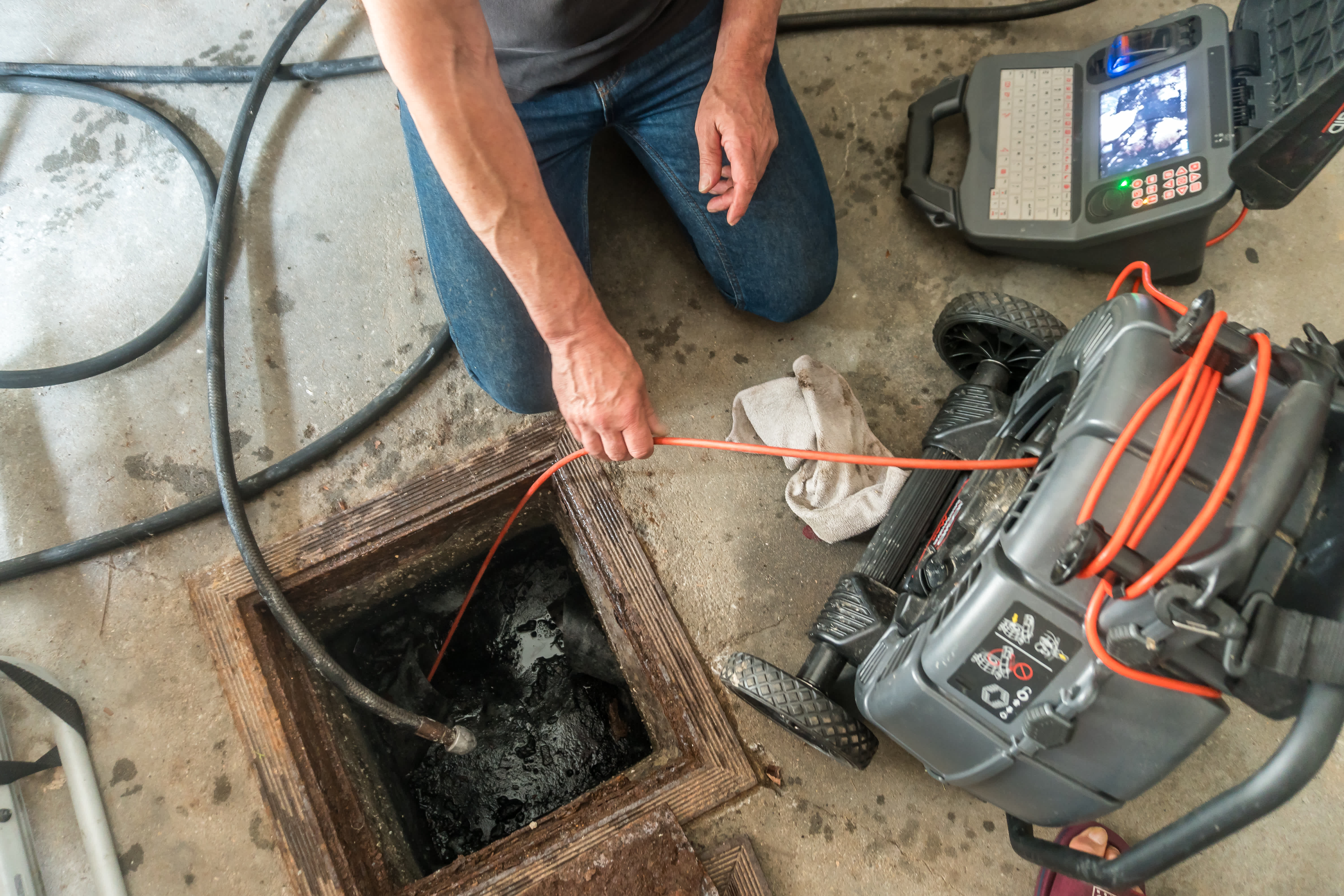
Understand Title 5 inspection costs, including average prices, key cost factors, and tips to save money on your septic system inspection.
Plumbing costs depend on your project and location. Check with a local pro for your specific job.

Professional plumbing inspections cost $100 to $1,375, depending on whether your inspection is visual, camera, or combo.
Your home size, plumbing access, and older piping raise labor time and determine how detailed the inspection gets.
You pay $150 to $300 for emergency trip fees, and repairs found during the visit add more.
Hiring a local plumbing professional finds hidden leaks and drainage issues early, helping you avoid water damage and emergencies.
In 2026, the national average cost for a plumbing inspection is $300. Most homeowners pay between $100 and $500, with the cost driven by the inspection type, home size, and plumbing accessibility. Costs can reach as high as $1,375 depending on the complexity of the inspection and any repairs uncovered along the way.
The cost of a plumbing inspection depends primarily on the type of inspection, your home's size, and where you live. The breakdown below shows how each of these factors affects what you'll pay.
I had an extremely positive experience with Fresno Plumbing. Six and one half years after I purchased my brand new home I had a sewer backup problem. I called the builder to see if there was any warrantly coverage and they referred me to the original plumber for my home, Fresno Plumbing and Heating. Fresno Plumbing and Heating said very rarely there are pipe connection problems and they would investigate. They videoed my sewer line, discovered a flaw in the pipe connection, used their sophisticated diagnostic equipment to determine the exact location of the problem, got all the necessary permits, identified all the nearby utility lines, and took responsibility for fixing the pipe at no charge to me. They could have said I was out of the warranty period, but they felt the problem could have dated to the original construction. They took my problem seriously and investigated. If I had to pay for this myself it would have cost thousands. I am very grateful for their honesty, for the repairs they made, and for the way they treated me in this situation. They were a strong advocate for me in dealing with the various player to get the repairs made at no charge to me.
Plumbers offer three main types of inspections, and the type you choose is the single biggest driver of cost, with types ranging from $100 to $1,375 or more. A visual inspection, which covers fixtures, appliances, and visible plumbing inside and out, runs $100 to $200.
A camera inspection of your underground sewer lines costs $250 to $1,175 and lets the plumber spot clogs, leaks, and damage without digging up your yard. Inspection type is a key driver of overall cost, as the breakdown below shows:
The most basic type of plumbing inspection is a visual inspection, which costs $100 to $200. A plumber will visually check all of the plumbing, fixtures, and appliances, both inside and outside. This includes your sinks, bathtubs, toilets, and hot water heater.
The plumber will check that appliances are correctly installed and that everything drains properly. They'll also look for leaks, corrosion, and other red flags.
A camera inspection is necessary to check your underground sewer lines, and these pipe inspections cost $250 to $1,175. This type of inspection allows the plumber to easily spot clogs, leaks, and signs of damage.
The sewer line camera inspection is a great alternative to doing things the old-school way, which involves digging up your lawn or tearing up the flooring to get to the piping.
Combination inspections range between $350 and $1,375. If you want the most thorough plumbing inspection, you should opt for a combination inspection. This way, you can get both a visual and a camera inspection done for peace of mind.
Here is a breakdown of plumbing inspection costs in 2026 by inspection type, including what each type covers:
| Inspection Type | Average Cost in 2026 | What’s Included |
|---|---|---|
| Visual | $100–$200 | Visual check of plumbing |
| Camera | $250–$1,175 | Camera inspection of sewer line |
| Combination | $350–$1,375+ | Both visual and camera inspection |
A smaller home with a basic visual inspection can come in around $100, while a large home requiring a combination inspection can reach $1,375 or more. The size of your home directly affects inspection costs because more square footage means more plumbing to evaluate.
Calling a plumber during nights, weekends, or holidays for an urgent inspection triggers emergency trip fees of $150 to $300 on top of the standard inspection cost. Even so, delaying a plumbing emergency risks water damage or mold that will cost far more to remediate than the added trip fee.
Where you live has a meaningful impact on what plumbers charge, with a plumbing inspection averaging $530 in New York, New York, compared to $350 in Billings, Montana. Cities and high-cost-of-living areas command higher rates. Getting quotes from at least three local plumbing companies is the most reliable way to understand fair pricing in your market.

When you call in a plumber for a home plumbing inspection, you can expect them to check out the following things both inside and outside:
Toilet
Sinks
Bathtubs/Showers
Fixtures
Pipes
Fittings
Insulation
Caulking
Supply lines
Drains
Vents
Appliances that use water (dishwasher, washer)
Hot water heater
Proper cleanouts of your drains
Main shut-off valve
Sump pumps
Outdoor hose bibs
Fire hydrants nearby
The plumber will ensure that everything is installed properly and that there are no leaks, damage, or corrosion. Some plumbers may also include water pressure and water quality checks.
If you opt for a camera inspection, then the plumber will check your sewer line for potential clogs, damage, or rust.
A plumbing inspection should take about two hours, although it may take less or more time depending on the size of your home and whether the plumber notices issues along the way.
It's recommended that you get a plumbing inspection once every two years. If your house is 40 years or older, you should get it done annually.
Another wise time to get a plumbing inspection is if you notice anything seems "off" with your plumbing. You should call for an inspection if you notice ongoing problems like water temperature fluctuations, strange sounds coming from your pipes, or odd odors in your drains.
Additionally, if you're buying a house, it's a great idea to order an in-depth plumbing home inspection. Most home inspections only check plumbing fixtures, drains, faucets, and toilets.
So while it may be tempting to pay just $280 to $400 for home inspection costs, this can leave you in the dark. If there are any issues lurking in the main sewer line or elsewhere, you may not catch them without a combination plumbing inspection.
If your plumber uncovers problems during the inspection, repair costs can range from a minor plumbing leak repair cost of $150 up to $3,000 for a sewer line replacement. Your plumber's hourly rate, which typically falls between $45 and $200, also influences the final bill.
The table below outlines how costs vary by plumbing repair type:
| Plumbing Repair Type | Average Cost in 2026 |
|---|---|
| Clogged Drain | $200 |
| Leaking Pipe | $250 |
| Toilet Repair | $220 |
| Drain Pipe Replacement | $700 |
| Water Heater Repair | $550 |
| New Water Heater | $1,275 |
| Sewer Line Cleaning | $300 |
| Main Sewer Line Repair | $2,500 |
| Sewer Line Replacement | $3,000 |
| Septic Tank Repair | $1,780 |
| Sump Pump Repair | $500 |
Plumbing inspections go beyond a quick look, a local plumber will test water pressure, inspect pipe conditions, evaluate drainage, look for hidden leaks, and identify potential problems before they develop into emergencies. Licensed plumbers also know how to perform maintenance that will extend the lifespan of your plumbing system. Plus, if you're a prospective homebuyer, an inspection will tell you the state of the home's plumbing system before signing on the dotted line.
Here's why you need a licensed expert to perform detailed plumbing inspections:
Plumbers have cameras, gauges, moisture meters, and other tools to detect problems behind walls and underground.
They have the experience to recognize early signs of issues, such as pipe corrosion, sewer line wear, failing water heaters, and drainage problems.
Pros can test drainage performance to identify slow buildup before clogs form and backups happen.
They understand code requirements for venting, supply lines, safety shut-offs, and drainpipe sizes.
Most offer maintenance plans to keep your home's plumbing running smoothly and warranties on their work and materials.
Documented plumbing inspections can support appraisals and buyer confidence, helping homes sell faster.
To save money on your plumbing inspection, you should find out if your plumber offers maintenance packages. You may be able to bundle your annual cleaning, maintenance, and inspection to get a better deal.
When hiring a new plumber for an inspection, it's important to take time to find the right fit. The cost of plumbing inspection isn't the only factor that varies among plumbing companies. Quality and service can also be all over the charts. Ask these questions when vetting plumbers:
Are you licensed and insured?
What are the credentials of the plumber who will be conducting the inspection?
Are you able to provide some repairs or updates during the inspection if you uncover issues?
How many inspections does your company do a year?
Do you offer plumbing service contracts that include free inspections and discounts on some plumbing services or repairs? How quickly can I book an inspection if I sign up for one?
How much does an emergency plumber cost from your company?
Inform your plumber if you’ve noticed changes in water pressure, signs of a leak, or other concerning issues.
Discuss whether pipe materials, water heaters, and fixtures may be reaching the end of their lifespans.
Ask if your home needs safety upgrades, like shut-off valves, leak sensors, or an automatic shut-off system.
Request written findings from the plumbing inspection.
After the inspection, ask your plumbing contractor to prioritize repairs based on their urgency.
Home is the most important place on earth, which is why Angi has helped more than 150 million homeowners transform their houses into homes they adore. To help homeowners with their next project, Angi provides readers with the most accurate cost data and upholds strict editorial standards. We extensively research project costs to develop the pricing data you see, so you can make the best decisions for you and your home. We rely on reputable sources, including the U.S. Bureau of Labor Statistics, academic journals, market studies, and interviews with industry experts—all to ensure our prices reflect real-world projects.
Want to help us improve our cost data? Send us a recent project quote to [email protected]. Quotes and personal information will not be shared publicly.
Positive experience. As previously stated, the replacement/repair could not be completed (no fault of the plumbing tech) b/c misinformation was rec?d by property management maintenance. Thanks to the plumbing tech for your efforts. Appreciate you!
 The Waterworks
If you want to pay the most exorbitant prices possible for your job, this is the company for you. “By the job” pricing is a rip-off, at least how these people use it. Every job is plugged into a category and prices are set by category. You might have a job that takes half an hour or one that...
 Benjamin Franklin Plumbing
Cole has been handling plumbing and general contracting for our four properties over the past three years, and he’s always done a great job. Most recently, he installed a sink and countertop in our retail store where none existed before, and it turned out exactly how we needed. He’s...
 ANB Renovations LLC
Matt is a consummate professional. The work turned out to be far more difficult than expected and rather than turn the job down, Matt rose to the occasion and completed a near impossible task. I can not recommend Greene's Plumbing Service more highly. On a scale of 1-5 I would give Matt a...
 Greene's Plumbing Service
Involved an extensive bathroom remodel, including removing tub & installing walk in shower, new drywall, custome tile work to ceiling, plumbing, etc. Overall, job was done on time and on budget. Nick & his team were very professional and had high attention to detail. Quality was great. Highly...
 Stamos Flooring and Remodeling LLC
Awesome company. Had a jacuzzi tub taken out and replaced with huge walk in shower with partial glass enclosure. Onyx to the ceiling with a decorative border, moved plumbing and installed hand held shower, new ceiling, flooring, and paint. Replaced window with glass block. Everything was done...
 Columbus Bath Design
The initial quoted price from a walk-through seemed high, but we discussed that the quote represented worst case scenario (re-wiring to two floors) and we were excited about the opportunity to have the work done in a timely manner with closing for fire safety reasons, etc. When the job was...
Initially, I called the Service People to have a leaking garbage disposal replaced. I had purchased a special deal through Angie's List: $79 for $200-worth of plumbing services. <br /> When I went to schedule the work, the earliest date I could get through Angie's List was after the upcoming...
This company did a very good job on the brick wall and it looks just amazing. The staff was always professional and was practically OCD on how the bricks were stacked and how they were laid. Although it took longer than expected, I am willing to sacrifice time over perfection anyday. The...
 My Handy Mate LLC Improvement & Remodeling
<p>I am so glad we called Rotor-Rooter. I was hesitant to call them because we usually prefer to give business to local providers. But when we had sewage back up in our basement on a Saturday evening, I had a hard time getting a hold of someone, not to mention the high weekend/evening rate...
 Roto-Rooter Plumbing & Water Cleanup
From average costs to expert advice, get all the answers you need to get your job done.
Understand Title 5 inspection costs, including average prices, key cost factors, and tips to save money on your septic system inspection.
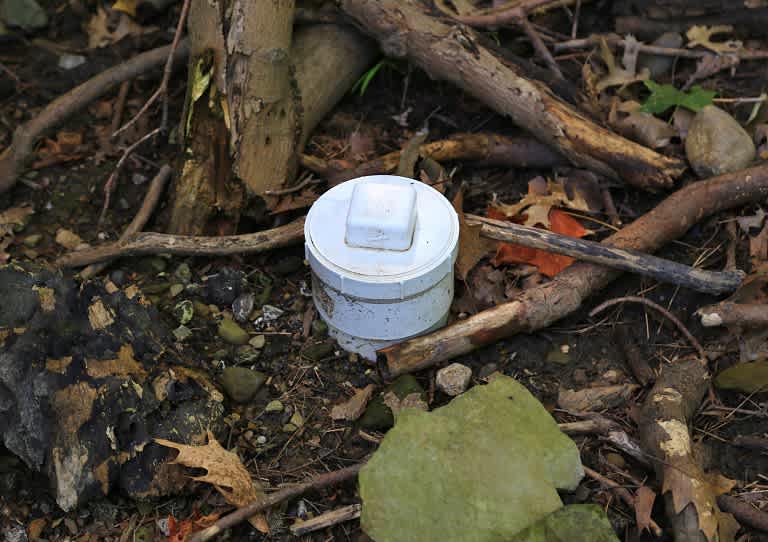
Get transparent sewer line camera inspection cost info. Learn what impacts pricing and how to budget for this essential home maintenance.
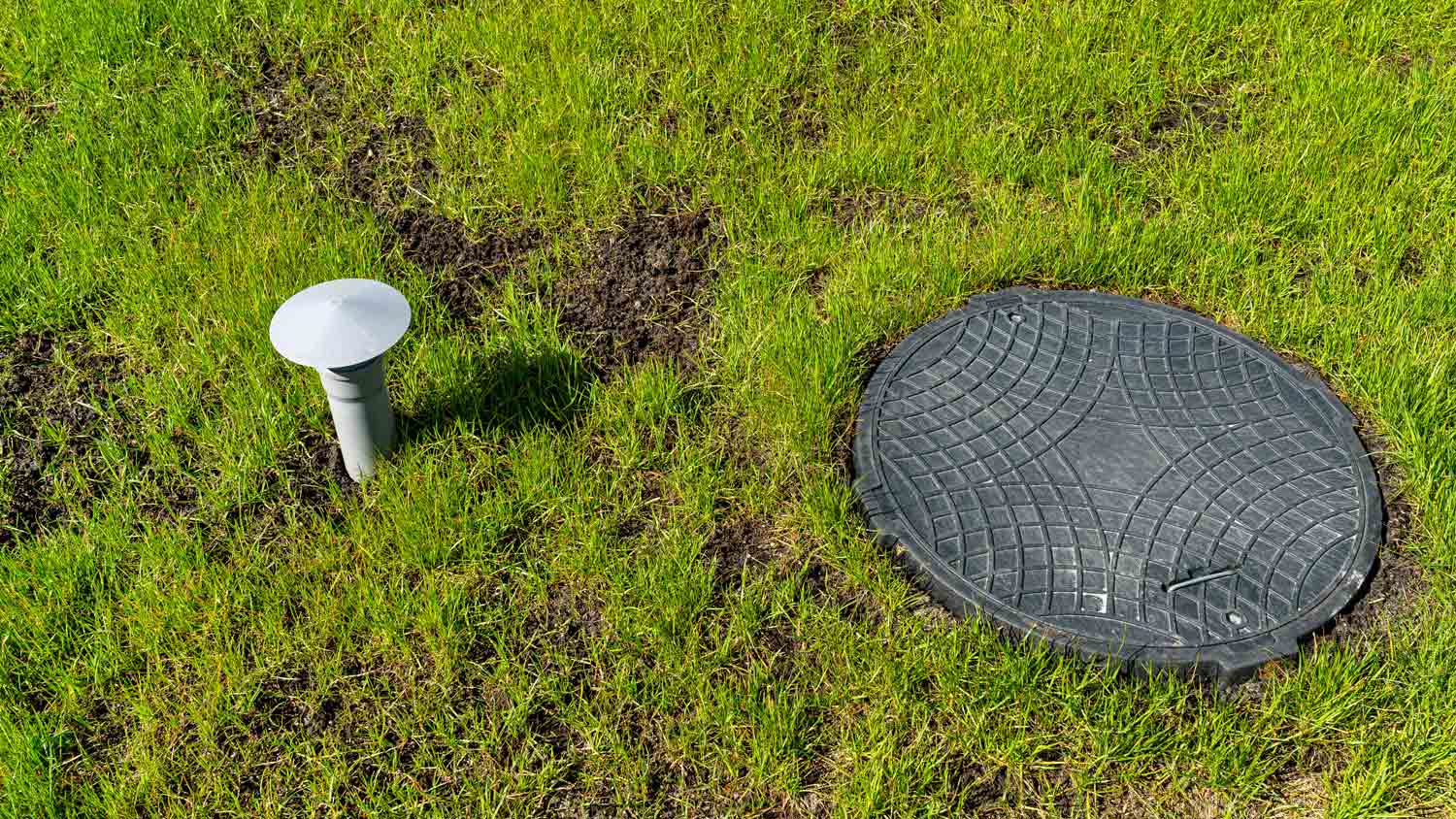
You should do a septic inspection once every one to three years to ensure you don’t have any issues. Learn about septic inspection costs before scheduling.
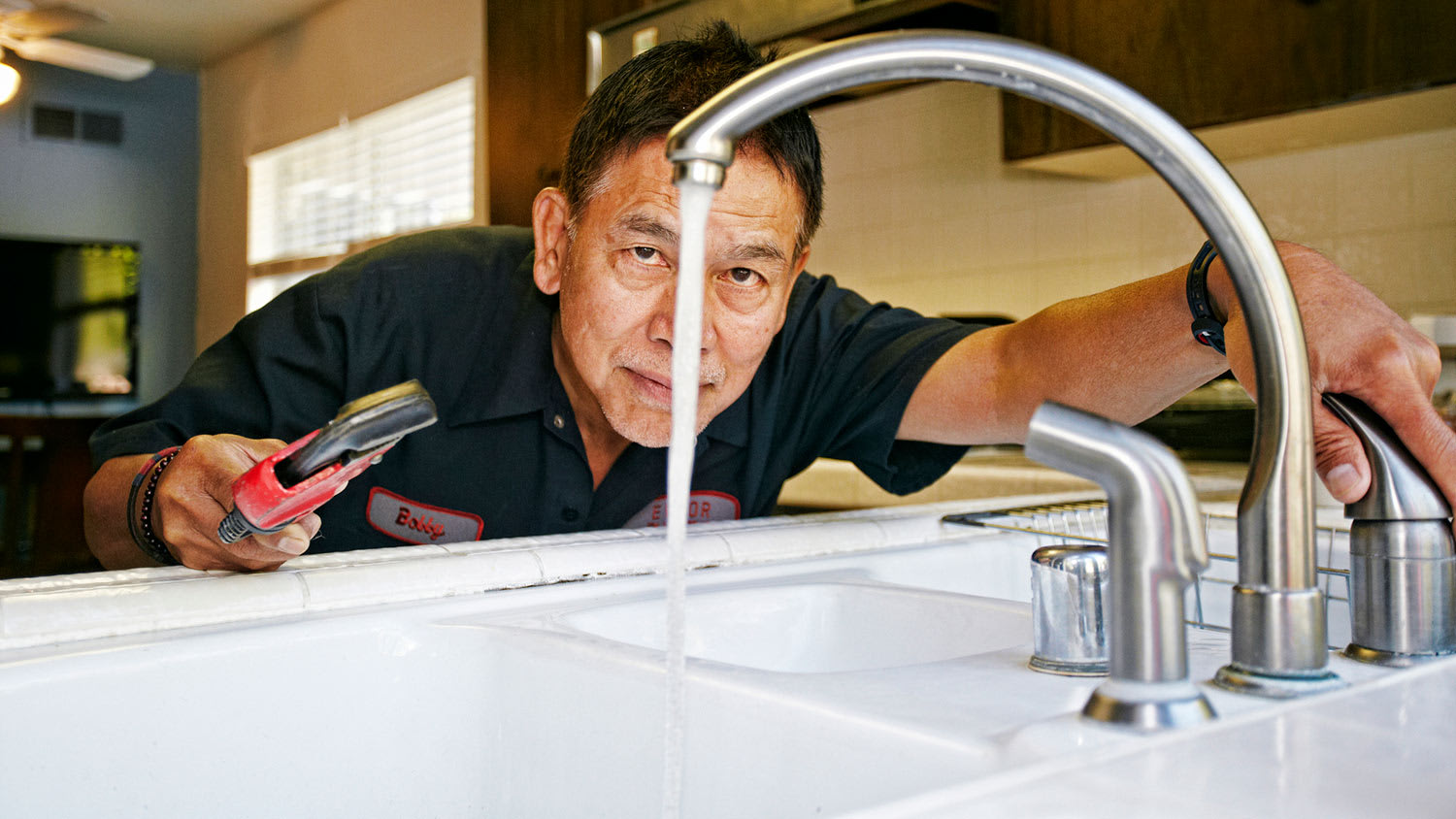
Are you worried about the health of your home plumbing? Scheduling a plumbing inspection can help. Here’s what to expect during a plumbing inspection.

Many homebuyers appreciate the reassurance of a plumbing inspection. Use this plumbing inspection checklist to learn about your plumbing system.
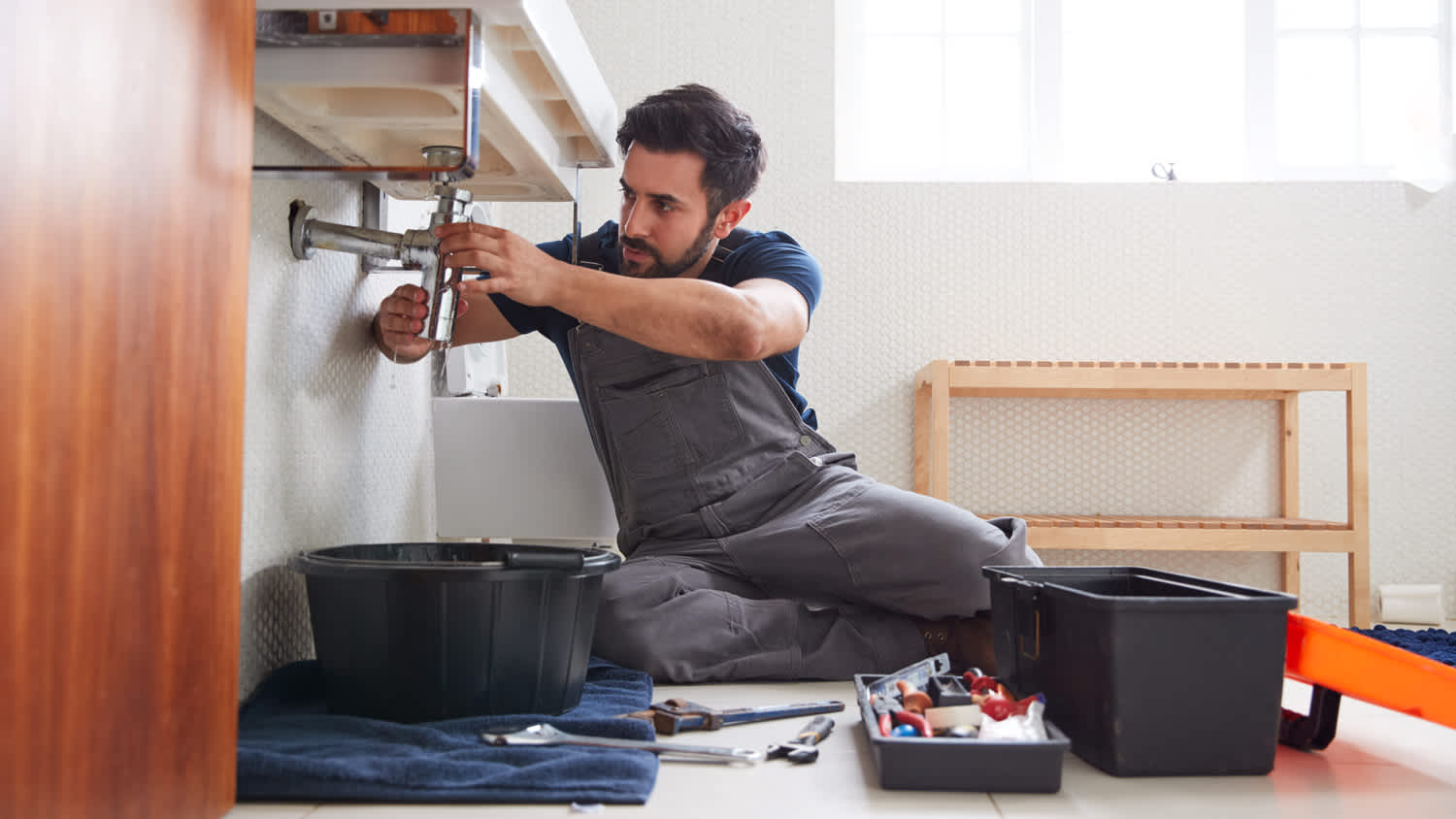
Are slow drains or foul odors plaguing your home? Learn about warning signs, costs, and how to hire a pro for a sewer and plumbing inspection.