



Get matched with top excavation pros in Mount Summit, IN
Top-rated excavation pros.

Need a pro for your excavation project in Mount Summit, IN?

Select your specific project to find the pro for you.

Find Excavation pros in Mount Summit

Avatar for Hale's Dirty Work, LLC
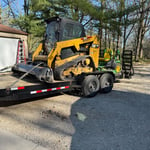
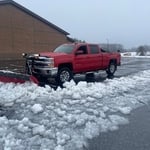
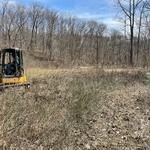
Hale's Dirty Work, LLC
5.0(
10
)

Serving Mount Summit, IN and surrounding areas

Approved

In business since 2022

Free estimates

Small jobs welcome

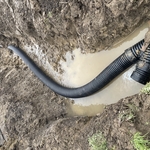
"Jaron was prompt, knowledgeable and professional, while quoting a fair price. We hired him to install french drains, to keep water out of our basement and plan on hiring him for other excavation jobs as well."
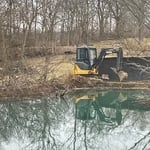
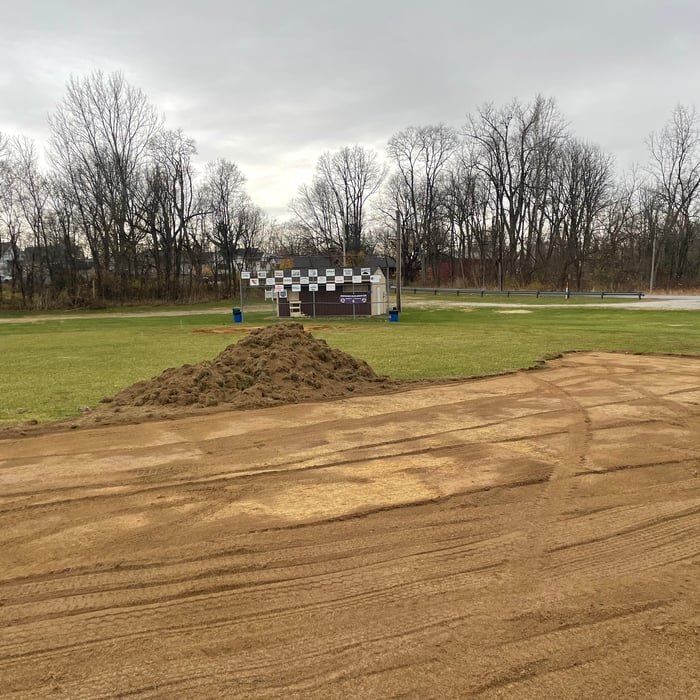
Random Dirty Work
Land clearing food plots
Field tile repair
Pond repair
Making of baseball field

+27

Response time8 hrs
Response rate93%
11 neighbors recently requested a quote
Avatar for Sweet's Land Clearing & Forestry
Sweet's Land Clearing & Forestry
5.0(
2
)

Serving Mount Summit, IN and surrounding areas

Approved

In business since 2024

Free estimates

Offers commercial services

"Very responsive, professional and honest. Explained the process, made sure I was happy with the completed work and even made suggestions which decreased the original estimated cost of our project. We will be using them again."
Response time2 days
19 neighbors recently requested a quote
Recommended by50%of homeowners
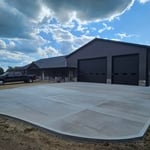
Avatar for Silvers Concrete and Paving, LLC
Silvers Concrete and Paving, LLC
4.2(
12
)

Serving Mount Summit, IN and surrounding areas

Approved

In business since 2018

Free estimates

Warranties offered

"They were very professional and knowledgeable. I've been on concrete pours and the personnel were well trained on what to do, and how to do it. I would recommend this company to any of my friends and family. Thanks for a job well done."
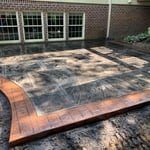
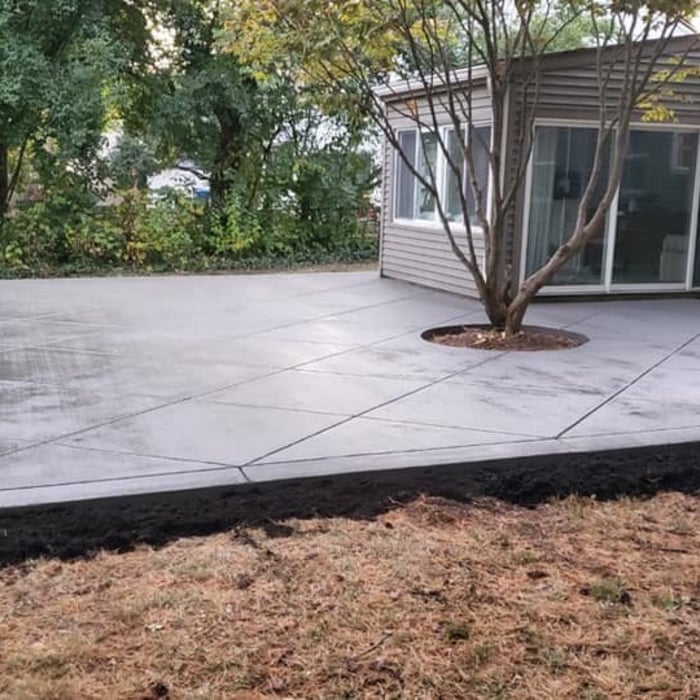
Driveway
Driveway
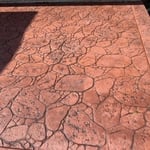
Stamped Patio
Stamped Patio
Brushed Patio

+2

Response time4 hrs
Response rate95%
Recommended by80%of homeowners
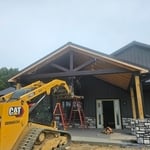
JJC Excavating
New to Angi

Serving Mount Summit, IN and surrounding areas

Approved

In business since 2018

Free estimates

Offers commercial services

We are dedicated to providing our clients with the very best in excavation and building site services. We specialize in residential and commercial services and take pride in the attention to detail put into each of the projects we're involved with. We're known for our quality work and the integrity of our business. We look forward to building long-term relationships with our clients, and guarantee your satisfaction.

Response time3 hrs
...
Showing 1-10 of 90
Excavating questions, answered by experts

The rules for trenching and excavation include setting up and following safety protocols, learning how to use tools and machines properly, and ensuring there is a safe exit for all workers. Keep heavy equipment and materials away from the edge of the hole or trench. Call the 811 dig line before starting any excavation or trenching project to ensure you don’t hit any electrical or gas lines.

The easier way to find buried sprinkler lines is to use the plan from the professionals who installed the system. If you don’t have professional plans, listen for running water on your lawn when you turn on the system. You may also spot wet areas, giving you an idea of where the heads are. Once you find the sprinkler heads, you’ll likely be able to connect the dots between them, revealing the system below.

The best type of soil to build on is a mixture of sand and clay, known as loam soil. Loam soil has the best combination of these soil types to build a foundation on. The clay particles help with water retention, so it won’t erode like sandy soil might, and the sandy particles help with drainage, so you won’t see unsafe soil expansion or have an increased risk of leaks from water sitting against your foundation.

In the United States, a depth of 36 inches (three feet) for underground water lines is the accepted industry standard. This depth varies from location to location based on local conditions. In areas with colder winters, they may be buried deeper to prevent frozen well water pipes : This is usually at least six inches below the frost level. The International Plumbing Code calls for a minimum of 12 inches below grade.

As a general rule, the protected area should be about 1½ times as wide as the canopy of the tree’s leaves. This digging measurement can vary by tree species and the age of the tree. Of course, that can be a lot of fencing for larger trees, which is why our first step is about making difficult decisions on which trees to save.

The Mount Summit, IN homeowners’ guide to excavation services

From average costs to expert advice, get all the answers you need to get your job done.