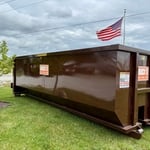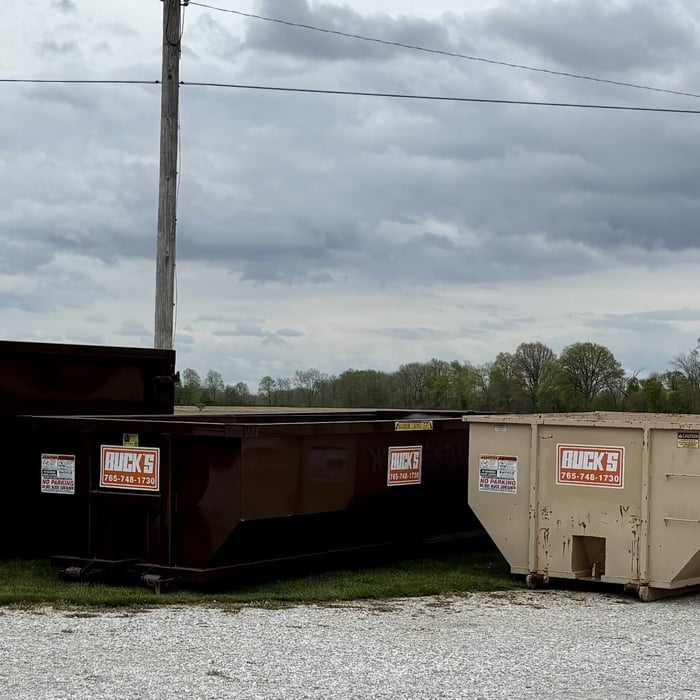


Top-rated excavation pros.

Best excavation pros near Yorktown, IN

Enter your zip and get matched with up to 5 pros

Need a pro for your excavation project in Yorktown, IN?

Select your specific project to find the pro for you.

Top-Rated Excavation pros in Yorktown - Updated Nov 2026

Avatar for Buck's Dumpsters
Buck's Dumpsters
4.6(
7
)
Building Site - Preparation and ClearingBuilding Site - Preparation and Clearing - For Business

Serving Yorktown, IN and surrounding areas

Approved

Super Service Award Winner

In business since 2010

Free estimates

Small jobs welcome

"Quite literally “one call doesn’t all” with Buck’s. Very clean dumpsters and pickups/drop-offs are super quick and easy. Their response time is genuinely impressive - especially when you’re in a pinch. From the first call to being on location in such a short period of time, couldn’t ask for better service from Buck’s."
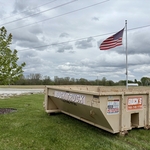
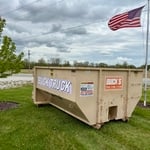
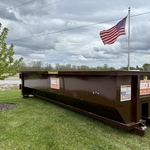
6 Yard Dumpster
10 Yard Dumpster
20 Yard Dumpster
30 Yard Dumpster
All Dumpsters

+1

Response time1 day
...
Showing 1-10 of 100
Excavating FAQs, answered by experts

Trenchers can dig holes as narrow as 4 inches or as wide as 4 feet. Check the specifications of the trencher you rent or buy to determine how wide it will cut into the landscape. Better yet, let the excavation company know how wide you’d like the trench to be, and they can help you choose the right trencher for the job (or do it for you).

The easier way to find buried sprinkler lines is to use the plan from the professionals who installed the system. If you don’t have professional plans, listen for running water on your lawn when you turn on the system. You may also spot wet areas, giving you an idea of where the heads are. Once you find the sprinkler heads, you’ll likely be able to connect the dots between them, revealing the system below.

Slab foundations are more affordable than crawl spaces because they require minimal excavation, as the slab sits directly on the ground or on footers that only sink a few feet into the ground. Crawl spaces require excavation of the entire footprint of the home to several feet below the surface. Not only does that mean higher labor costs, but more materials are necessary for the concrete foundation walls.

Trenching and boring are two distinct methods for installing underground utilities. Trenching involves digging a channel using equipment like an excavator, trencher, backhoe, or shovel. While it is a simpler process, it causes significant disruption to the surface, landscaping, and surrounding ecosystems.

Boring, also known as directional boring, is a less invasive alternative that uses a drill to create a tunnel for utility lines without disturbing the surface. This method is more precise and is ideal for installations that need to go underneath buildings, roads, or bodies of water. Although boring is less disruptive, it is generally more expensive than trenching.

Excavation and grading are both generally necessary for designing your foundation, and leveling the ground where your foundation will go. These steps can also prepare the area by removing vegetation and anything else that could interfere with your home’s foundation.

The Yorktown, IN homeowners’ guide to excavation services

From average costs to expert advice, get all the answers you need to get your job done.