



Top-rated excavation pros.

Get matched with top excavation pros in New Castle, IN

Enter your zip and get matched with up to 5 pros

Need a pro for your excavation project in New Castle, IN?

Select your specific project to find the pro for you.

Find Excavation pros in New Castle

Avatar for Hale's Dirty Work, LLC
Hale's Dirty Work, LLC
5.0(
10
)
Building Site - Preparation and ClearingBuilding Site - Preparation and Clearing - For BusinessExcavation - Major Grading or Resloping+2 more

Serving New Castle, IN and surrounding areas

Approved

In business since 2022

Free estimates

Small jobs welcome

"Jaron did a great job! Couldnâ t be happier with the work he did for us. Heâ s a professional, takes the time to makes sure the job is done right and did even more than what we expected for a great price. I would highly recommend him for irrigation or landscaping. Thank you very much!"
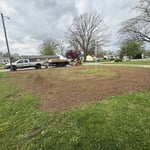
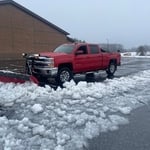
Random Dirty Work
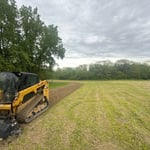
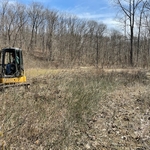
Land clearing food plots
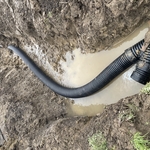
Field tile repair
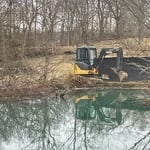
Pond repair
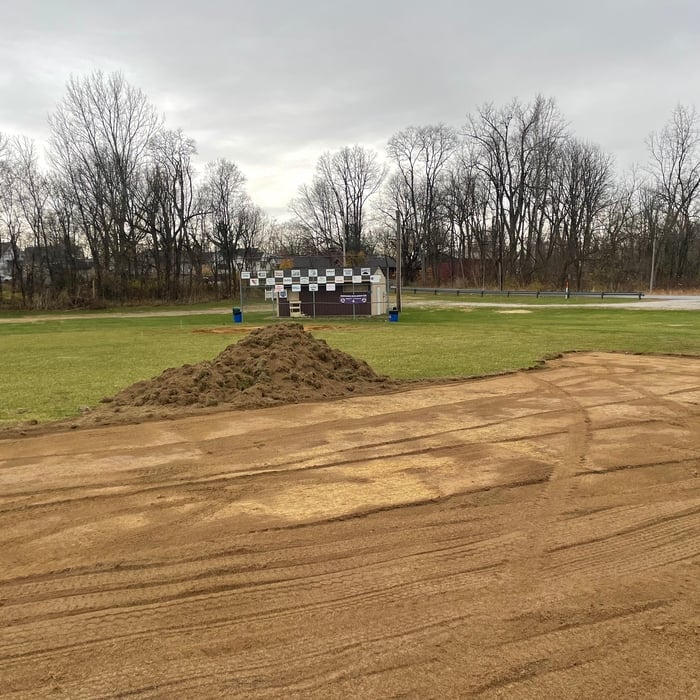
Making of baseball field

+27

Response time8 hrs
Response rate93%
9 neighbors recently requested a quote
...
Showing 1-10 of 110
Excavating questions, answered by experts

There is no standard depth for burying a septic tank; they are typically buried anywhere from 4 inches to 4 feet underground. The final depth depends on several factors, including the depth of your main sewer line, the height of the bedrock, soil type, local regulations, and the property's landscape. If you plan to grow grass or plants over the tank, a depth of at least 4 to 6 inches is recommended. Deeper tanks can be more difficult to locate, but a septic professional can help find it for you.

Slab foundations are more affordable than crawl spaces because they require minimal excavation, as the slab sits directly on the ground or on footers that only sink a few feet into the ground. Crawl spaces require excavation of the entire footprint of the home to several feet below the surface. Not only does that mean higher labor costs, but more materials are necessary for the concrete foundation walls.

A mini excavator can dig between 5 and 11 feet deep, depending on the type and size of the mini excavator. Mini hydraulic excavators are more powerful and can reach deeper into the earth, but electric models have a more limited range. Mini excavators over two tons in size are also more powerful and able to dig as deep as 11 feet.

Maintain open communication and address issues as they arise, ensuring contract terms cover potential delays.

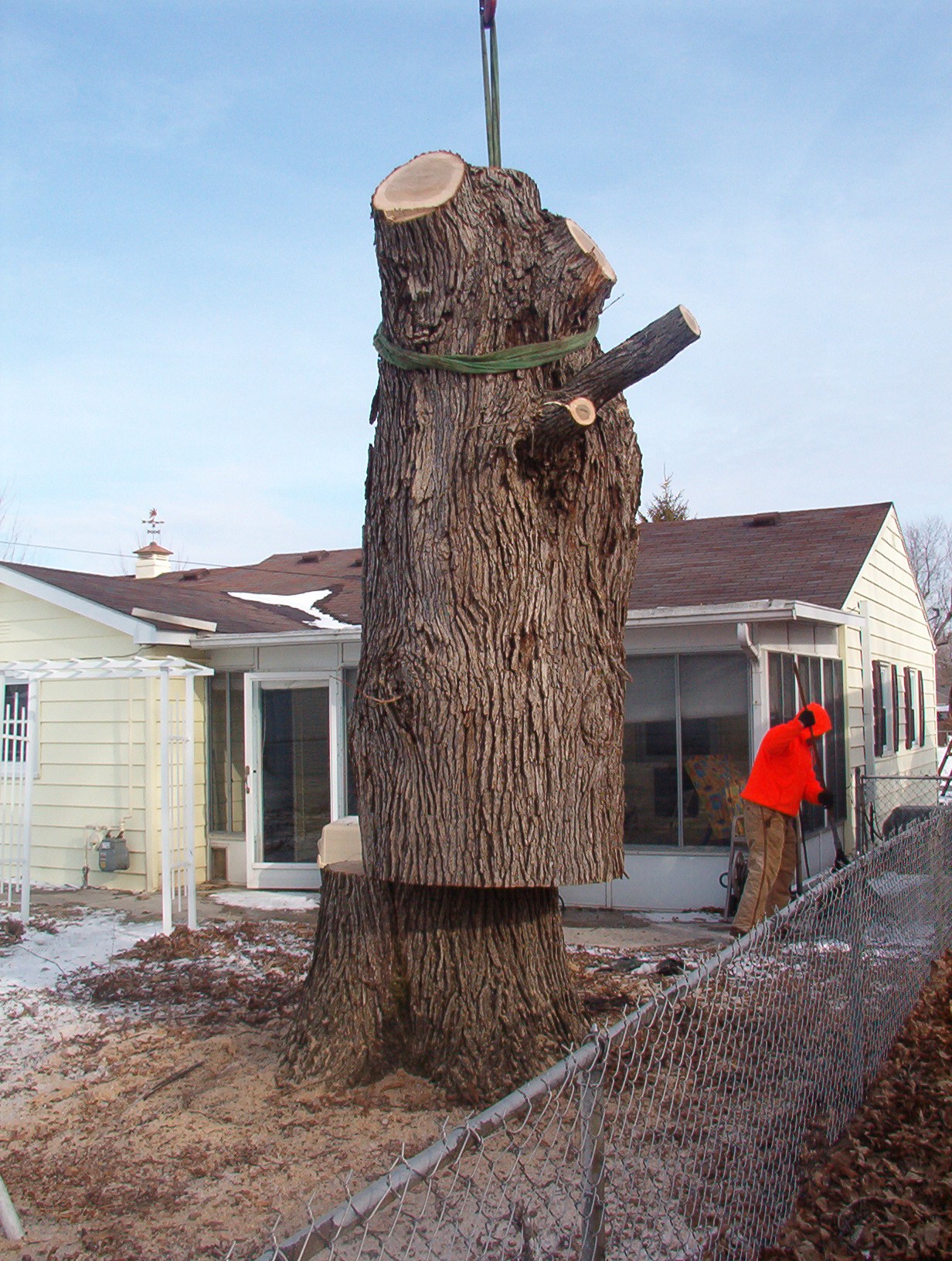
The best way to protect tree roots is to avoid the roots entirely by excavating outside the root radius of the tree. For nearby projects, it’s a good idea to construct a temporary retaining wall. But that’s not always possible, depending on the project and the root system. In these cases, consider using alternative equipment like an auger to tunnel under the ground.

Remember, tree roots can damage nearby cement foundations as they grow. If a tree is close enough to interfere with large excavations, it may be better to remove the tree than risk future problems.

The New Castle, IN homeowners’ guide to excavation services

From average costs to expert advice, get all the answers you need to get your job done.